

In the realm of international trade, the Delivered Duty Paid (DDP) Incoterm is a popular choice for businesses shipping goods from China to the United States. DDP places the maximum responsibility on the seller, who is required to handle all aspects of the shipment, including transportation, insurance, customs clearance, and payment of duties and taxes in the destination country. As a DDP From China to USA supplier, I often encounter questions from clients regarding the differences in DDP for different payment methods. In this blog post, I will explore these differences and their implications for both sellers and buyers.
Understanding DDP and Payment Methods
Before delving into the differences, it's essential to understand the concept of DDP and the common payment methods used in international trade. DDP means that the seller delivers the goods to the buyer at a specified destination in the United States, with all costs and risks associated with the shipment, including duties and taxes, paid by the seller. This incoterm provides the buyer with the convenience of receiving the goods at their doorstep without having to worry about customs clearance or additional fees.
Common payment methods in international trade include:
- Telegraphic Transfer (TT): Also known as wire transfer, TT is a direct transfer of funds from one bank account to another. It is a fast and secure method, often used for large transactions.
- Letter of Credit (LC): An LC is a document issued by a bank on behalf of the buyer, guaranteeing payment to the seller upon presentation of specified documents. It provides security for both parties, as the seller is assured of payment if they meet the terms of the LC, and the buyer can be confident that the goods will be shipped as agreed.
- PayPal: A popular online payment platform, PayPal allows buyers to pay for goods and services using their PayPal account or a linked credit card. It is easy to use and widely accepted, but may involve higher fees for international transactions.
- Credit Card: Credit cards are a convenient payment method, but they may not be suitable for large transactions due to credit limits and potential fraud risks.
Differences in DDP for Different Payment Methods
1. Risk Allocation
- TT: When using TT, the risk of non - payment lies primarily with the seller. Once the goods are shipped under DDP, the seller has already incurred all the costs associated with the shipment. If the buyer fails to make the payment, the seller may face significant losses. However, if the seller requests an upfront deposit or payment before shipping, the risk can be mitigated.
- LC: An LC provides a high level of security for both the seller and the buyer. The bank acts as an intermediary, ensuring that the seller receives payment as long as they comply with the terms of the LC. The buyer's risk is also reduced, as they can be sure that the goods will be shipped according to the agreed - upon specifications.
- PayPal: PayPal offers some protection for both buyers and sellers. Sellers can receive payment quickly, but they may be subject to chargebacks if the buyer disputes the transaction. PayPal may hold funds for a certain period, which can affect the seller's cash flow.
- Credit Card: Similar to PayPal, credit card payments can be subject to chargebacks. The seller may also face the risk of fraud, especially if the card is used without proper authorization.
2. Cost Implications
- TT: TT typically involves lower fees compared to other payment methods. However, the seller may need to bear the cost of currency conversion if the buyer and seller use different currencies.
- LC: The cost of an LC includes fees charged by the issuing bank, the advising bank, and other associated fees. These fees can be significant, especially for large transactions. The buyer is usually responsible for paying these fees, but in some cases, the cost may be negotiated between the buyer and the seller.
- PayPal: PayPal charges a percentage of the transaction amount, plus a fixed fee for international transactions. These fees can add up, especially for high - value shipments.
- Credit Card: Credit card companies also charge a percentage of the transaction amount as a processing fee. Additionally, there may be foreign transaction fees if the card is used for international payments.
3. Payment Timing
- TT: The timing of payment can vary depending on the agreement between the buyer and the seller. If the seller requests an upfront payment, they can receive the funds before shipping the goods. However, if the payment is made after the goods are delivered, the seller may have to wait for the buyer to initiate the transfer, which can delay their cash flow.
- LC: The payment under an LC is made once the seller presents the required documents to the bank. This process can take several days to weeks, depending on the complexity of the transaction and the efficiency of the banks involved.
- PayPal: PayPal payments are usually processed instantly, allowing the seller to receive funds quickly. However, as mentioned earlier, PayPal may hold funds for a certain period, which can affect the seller's access to the money.
- Credit Card: Credit card payments are also processed relatively quickly. However, the seller may have to wait for the funds to be settled in their account, which can take a few days.
4. Documentation Requirements
- TT: The documentation requirements for TT are relatively simple. The seller usually needs to provide an invoice and bank details to the buyer.
- LC: An LC requires a detailed set of documents, including a commercial invoice, bill of lading, packing list, certificate of origin, and other documents as specified in the LC. The seller must ensure that all documents are accurate and comply with the terms of the LC to receive payment.
- PayPal: PayPal requires basic information such as the buyer's email address and payment details. The seller may also need to provide some documentation in case of a dispute.
- Credit Card: Similar to PayPal, credit card payments require the buyer's card details. The seller may need to provide documentation to support the transaction in case of a chargeback.
Implications for Sellers and Buyers
For Sellers
- Sellers need to carefully consider the payment method when offering DDP services. If they are concerned about the risk of non - payment, an LC may be the best option. However, the high cost of an LC may make it less attractive for some buyers. Sellers should also factor in the cost of currency conversion, fees, and the impact on cash flow when choosing a payment method.
- Sellers should also ensure that they understand the documentation requirements for each payment method. For example, when using an LC, they need to be familiar with the rules and regulations of the International Chamber of Commerce (ICC) to avoid any discrepancies in the documents.
For Buyers
- Buyers should consider the security and convenience of the payment method. An LC provides a high level of security, but it may involve additional costs and administrative work. PayPal and credit cards offer convenience, but buyers should be aware of the potential risks of chargebacks and fraud.
- Buyers should also negotiate the payment terms with the seller to ensure that they are favorable. For example, they may request a longer payment period or a lower deposit when using TT.
Conclusion
In conclusion, there are significant differences in DDP for different payment methods from China to the United States. Each payment method has its own advantages and disadvantages in terms of risk allocation, cost implications, payment timing, and documentation requirements. As a DDP From China to USA supplier, I always work closely with my clients to understand their needs and preferences and recommend the most suitable payment method for their transactions.

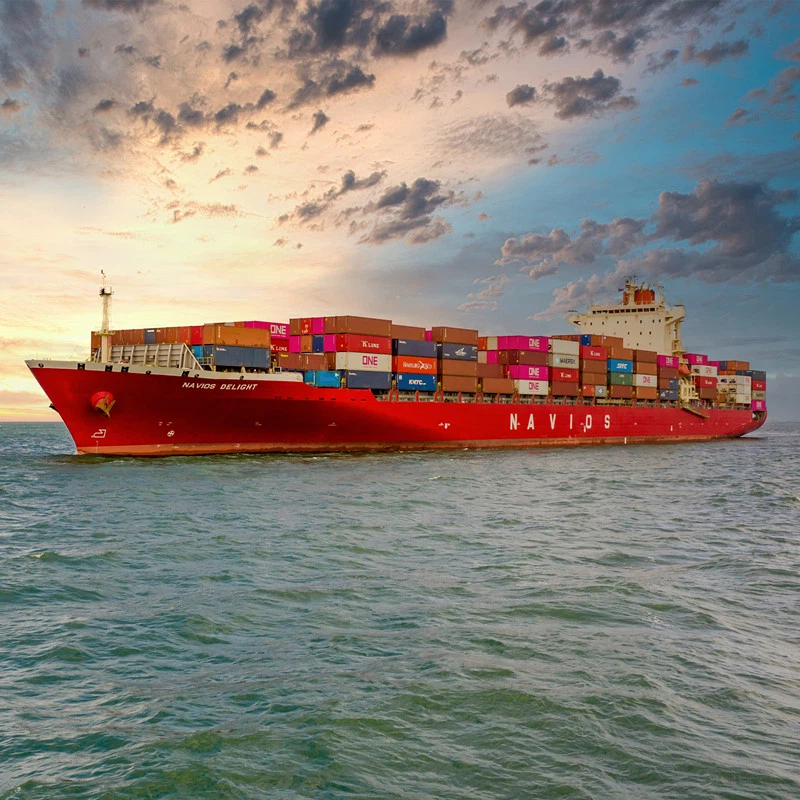
If you are interested in DDP From China to USA services or have any questions about the payment methods, feel free to contact me for more information. I am also experienced in Shipping DDP to Europe and DDP From China to UK. Let's start a fruitful business partnership and explore the opportunities in international trade together.
References
- Incoterms 2020, International Chamber of Commerce
- International Trade Payment Methods, Export.gov
- PayPal Merchant Services Documentation
- Credit Card Company Terms and Conditions