

Hey there! I'm a supplier in the DDP shipping business, and I often get asked if DDP shipping supports split shipments. So, let's dive right into this topic and break it down.
First off, for those who might not be super familiar, DDP stands for Delivered Duty Paid. It's a shipping term where the seller is responsible for absolutely everything - getting the goods to the buyer's specified location, paying all the duties, taxes, and fees along the way. It's like a one - stop - shop kind of deal for the buyer, where they just sit back and wait for their stuff to show up at their doorstep.
Now, the big question: does DDP shipping support split shipments? The short answer is yes, it can. But there are a bunch of factors to consider.
Why Split Shipments?
There are several reasons why someone might want to split a shipment. One common reason is inventory management. Let's say a retailer has ordered a large quantity of products. They might not have enough storage space to receive everything at once. By splitting the shipment, they can manage their inventory better and avoid overcrowding their warehouses.
Another reason could be cash flow. Some businesses might not have the funds to pay all the duties and taxes for a large shipment at once. Splitting the shipment allows them to spread out these costs over time.
How It Works in DDP Shipping
When it comes to DDP shipping, splitting a shipment means dividing the goods into multiple smaller shipments. Each of these smaller shipments will then go through the shipping process separately. This includes customs clearance, duty and tax payments, and final delivery.
As a DDP shipping supplier, I have to handle each split shipment as a separate entity. This means I need to prepare individual shipping documents for each part of the split shipment. For example, I'll need to create separate commercial invoices, packing lists, and customs declarations. These documents are crucial for getting each shipment through customs smoothly.
Challenges of Split Shipments in DDP
However, split shipments in DDP shipping aren't without their challenges. One of the main issues is customs compliance. Customs authorities expect accurate and detailed information about each shipment. When you split a shipment, it can be a bit more difficult to ensure that all the information is correct and consistent across all the parts.
For instance, if the total value of the goods is split incorrectly across the shipments, it could lead to problems with duty calculations. Customs might think that the value of one of the shipments is under - declared, which could result in delays or even fines.

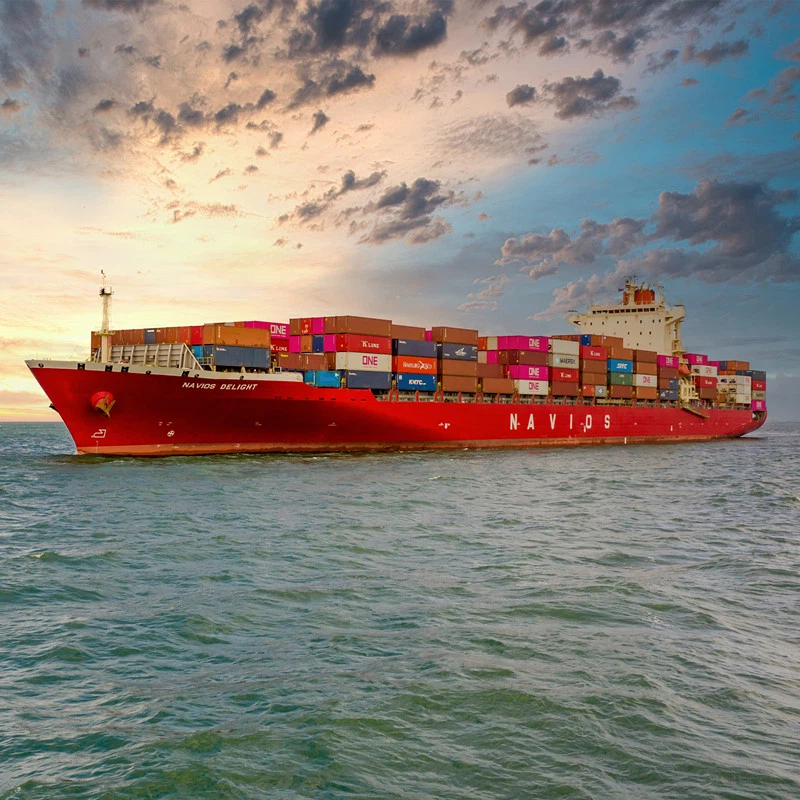
Another challenge is the cost. Splitting a shipment usually means higher shipping costs. Each individual shipment incurs its own set of fees, including freight charges, customs brokerage fees, and handling fees. These costs can add up quickly, especially if you're splitting the shipment into many small parts.
Benefits of Offering Split Shipments as a DDP Supplier
Despite the challenges, there are also some benefits for me as a DDP shipping supplier. By offering split shipments, I can attract more customers. Some businesses are specifically looking for a shipping partner who can accommodate their need to split shipments. This gives me a competitive edge in the market.
It also allows me to build stronger relationships with my customers. When I can help them solve their inventory management or cash - flow problems by offering split shipments, they're more likely to trust me and come back for future shipping needs.
Real - World Examples
Let's take a look at a couple of real - world examples. Suppose a small business in the UK has ordered a large quantity of electronics from a supplier in China. They don't have enough space in their warehouse to store all the products at once. They contact me, and I suggest splitting the shipment into three smaller parts.
I prepare the necessary shipping documents for each part of the split shipment. The first shipment arrives at the UK port, and I handle the customs clearance process. I pay the duties and taxes on behalf of the customer, as per the DDP terms. Once the first shipment is cleared, it's delivered to the customer's location.
A few weeks later, the second and third shipments follow the same process. The customer is able to manage their inventory better and doesn't have to worry about paying a large amount of duties and taxes all at once.
Another example could be a business in the USA that has ordered a variety of clothing items from China. They want to test the market with a small quantity first before committing to a larger order. By splitting the shipment, they can start selling the first batch of clothes while waiting for the rest.
Related Services
If you're interested in DDP shipping, I offer a range of related services. For those looking to ship DDP to Europe, you can check out Shipping DDP to Europe. This service is designed to handle all the complexities of shipping goods to European countries under the DDP terms.
If you're based in the UK and sourcing products from China, DDP From China to UK is the service for you. I'll take care of everything from the moment the goods leave the Chinese factory until they reach your doorstep in the UK.
And for businesses in the USA importing from China, DDP From China to USA provides a hassle - free shipping solution. I'll deal with all the customs procedures and ensure that your goods are delivered on time.
Conclusion
So, to sum it up, DDP shipping does support split shipments. It can be a great option for businesses that need to manage their inventory or cash flow better. However, it also comes with its own set of challenges, such as customs compliance and higher costs.
As a DDP shipping supplier, I'm here to help you navigate these challenges and make the most of split shipments. If you have any questions or are interested in discussing your shipping needs, don't hesitate to reach out. Whether you're a small business or a large corporation, I can tailor a shipping solution that works for you.
References
- International Chamber of Commerce (ICC). Incoterms 2020.
- World Customs Organization (WCO) guidelines on customs valuation and clearance procedures.