

Figuring out the shipping cost for a container to Spain can seem like a real head - scratcher, but don't worry! As a supplier specializing in shipping containers to Spain, I've been through this process loads of times, and I'm here to break it down for you.
First off, there are a bunch of factors that play into how much it'll cost to ship a container to Spain. The size of the container is a major one. Most commonly, you'll come across 20 - foot and 40 - foot containers. A 20 - foot container is like the smaller sibling. It's great for smaller shipments, maybe if you're sending some personal belongings or a small business order. On the other hand, a 40 - foot container is a real heavyweight. It can hold a ton more stuff, so it's perfect for larger businesses or big - scale projects.
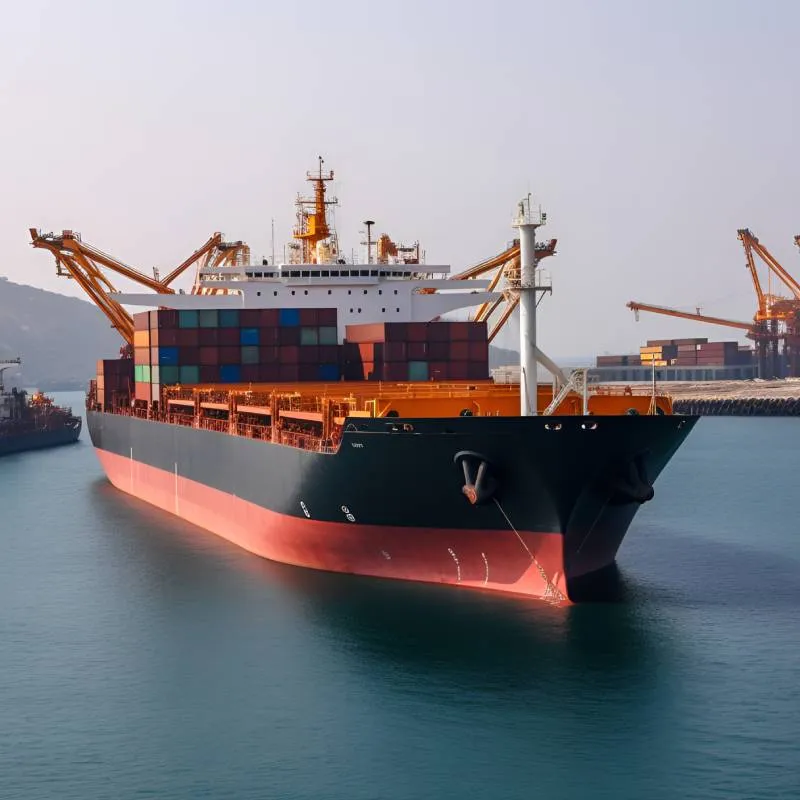

The origin of the shipment also matters big time. If you're shipping from a port that's close to major shipping lanes, the cost might be a bit lower because it's more convenient for the shipping companies. For example, ports in China are some of the busiest in the world. There are tons of shipping routes from there to Spain, which can sometimes lead to more competitive prices. And speaking of China, if you're interested in shipping from there to other European countries, you can check out these links: Shipping From China To Finland, Shipping From China To Lithuania, and Shipping From China To Slovakia.
Another thing to think about is the type of goods you're shipping. Some items are considered hazardous or require special handling. For instance, if you're sending chemicals or flammable materials, there are extra safety measures and regulations that the shipping company has to follow. This means they'll charge more for shipping these kinds of goods. Non - hazardous, general cargo is usually cheaper to ship.
The shipping route itself also affects the cost. There are direct routes and indirect routes. A direct route is like taking the expressway. The container goes straight from the origin port to the destination port in Spain without any stops in between. This is usually faster, but it can be more expensive. An indirect route is like taking the scenic route. The container might stop at one or more ports along the way. It takes longer, but it can save you some money.
Now, let's talk about how to actually calculate the shipping cost. One of the first steps is to get a quote from a shipping company. You can do this by reaching out to them directly. Most shipping companies have websites where you can fill out a form with details about your shipment, like the size of the container, the origin and destination ports, and the type of goods. They'll then send you a quote based on that information.
You can also use online shipping calculators. These are handy tools that give you a rough estimate of the shipping cost. All you have to do is input the same details I mentioned earlier, and they'll crunch the numbers for you. But keep in mind, these are just estimates. The actual cost might be a bit different depending on other factors like fuel prices, which can change all the time.
Fuel prices are a huge deal when it comes to shipping costs. Shipping vessels run on fuel, and when the price of fuel goes up, the shipping companies have to pass on some of that cost to their customers. That's why it's a good idea to keep an eye on fuel price trends. You can find this information on financial news websites or industry - specific portals.
Insurance is another cost to factor in. It's always a good idea to insure your shipment. If something goes wrong during transit, like the container gets damaged or lost, insurance will cover the cost of your goods. The cost of insurance depends on the value of the goods you're shipping. The more valuable the goods, the higher the insurance premium.
Port fees are also part of the equation. When the container arrives at the port in Spain, there are fees for things like docking, unloading, and storage. These fees can vary from port to port. Some ports in Spain are more expensive than others, so it's a good idea to research the different ports and their fees before choosing your destination port.
Let's say you're shipping a 20 - foot container of general cargo from a port in China to a port in Spain. You get a quote from a shipping company. They tell you the base shipping cost is $2000. Then, they add on fuel surcharges, which might be around $200 depending on the current fuel prices. Insurance for your goods, which are worth $10,000, might cost around $100. And port fees at the destination port in Spain could be another $300. So in total, your shipping cost would be $2000 + $200+ $100 + $300 = $2600.
If you're thinking about shipping a container to Spain, it's really important to do your homework. Compare quotes from different shipping companies. Don't just go for the cheapest option, though. Make sure the company has a good reputation and can provide the services you need. Check online reviews and ask for recommendations from other businesses or people who have shipped containers to Spain before.
I know all this information can be a bit overwhelming, but I'm here to help. Whether you're a small business owner looking to expand your market in Spain or an individual sending personal items, I can assist you in navigating the shipping process. If you have any questions or want to start the process of shipping a container to Spain, feel free to reach out. I'm more than happy to discuss your specific needs and work out the best shipping solution for you.
References:
- General knowledge of the shipping industry
- Industry reports on shipping costs and trends
- Personal experience as a Shipping Container To Spain supplier