

When it comes to shipping goods to Portugal, selecting the right shipping container is a crucial decision that can significantly impact the efficiency, cost, and safety of your shipments. As a supplier in the business of Shipping Container To Portugal, I understand the complexities and considerations involved in this process. In this blog post, I'll share some insights and tips on how to choose the ideal shipping container tailored to your specific needs.
Understanding Your Shipping Requirements
The first step in choosing the right shipping container is to clearly understand your shipping requirements. This involves assessing several key factors:
1. Type of Goods
The nature of the goods you are shipping plays a pivotal role in determining the appropriate container. For instance, if you are shipping perishable items like fruits, vegetables, or pharmaceuticals, you might need a refrigerated container, also known as a reefer. Reefers are equipped with a temperature - controlled system that ensures the goods remain at the optimal temperature throughout the journey.
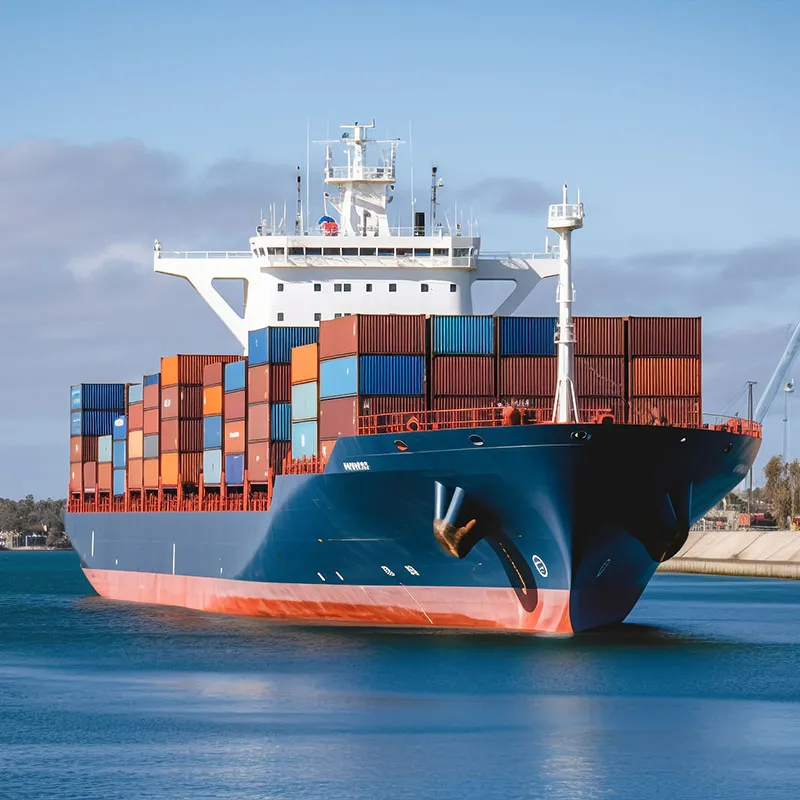
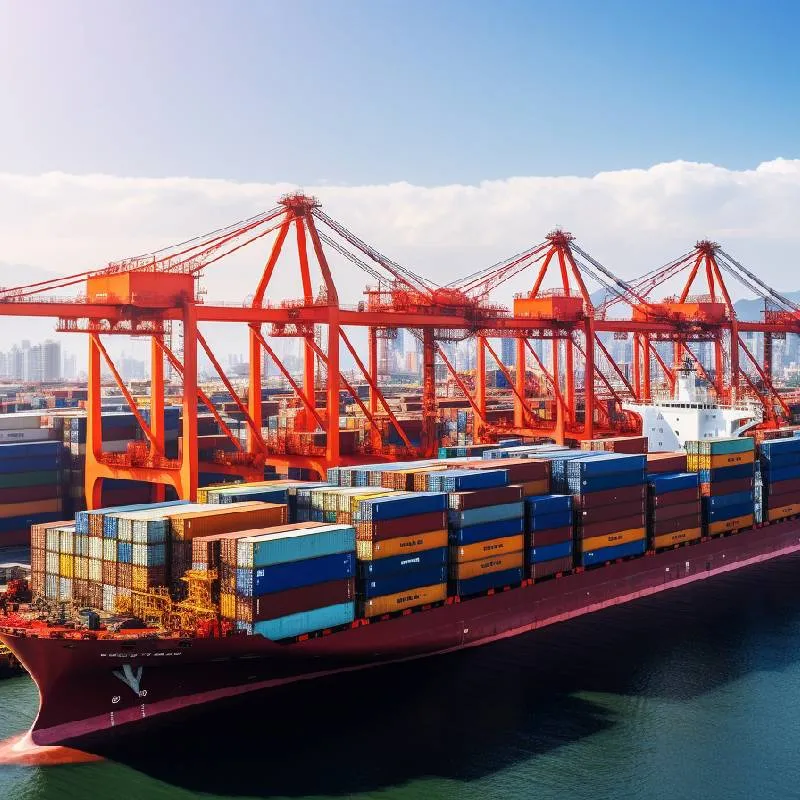
On the other hand, if you are shipping dry goods such as furniture, clothing, or machinery, a standard dry container would be sufficient. These containers come in various sizes and are designed to protect the goods from external elements like rain, dust, and pests.
2. Volume of Goods
Accurately estimating the volume of your goods is essential. Shipping containers come in different standard sizes, with the most common ones being 20 - foot and 40 - foot containers. A 20 - foot container has an internal volume of about 33 cubic meters, while a 40 - foot container offers approximately 67 cubic meters of space.
If you have a large quantity of goods, it might be more cost - effective to use a 40 - foot container. However, if your shipment is smaller, a 20 - foot container can save you from paying for unused space. Some suppliers also offer less - than - container - load (LCL) services, where your goods are combined with other shippers' goods in a single container. This is a great option for small - scale shipments.
3. Shipping Frequency
Consider how often you plan to ship goods to Portugal. If you have regular shipments, it might be worth investing in long - term container leases or purchasing your own containers. This can provide more flexibility and potentially lower costs in the long run.
On the contrary, if your shipments are sporadic, it may be more practical to rent containers on a per - shipment basis. This way, you only pay for the container when you need it.
Types of Shipping Containers Available
As we've briefly mentioned, there are different types of shipping containers, each designed to meet specific shipping needs:
1. Dry Containers
Dry containers are the most commonly used type of shipping container. They are suitable for a wide range of non - perishable goods and are available in various sizes, including 10 - foot, 20 - foot, 40 - foot, and 45 - foot containers. These containers are made of steel and are weather - resistant, protecting the goods inside from damage during transit.
2. Refrigerated Containers (Reefers)
As mentioned earlier, reefers are designed for shipping temperature - sensitive goods. They are equipped with a built - in refrigeration unit that can be set to a specific temperature range. Reefers can be used for transporting fresh produce, meat, dairy products, and other items that require a controlled environment.
3. Open - Top Containers
Open - top containers have a removable roof, which makes them ideal for shipping tall or oversized items that cannot fit through the standard container doors. This type of container is commonly used for transporting machinery, vehicles, or construction materials.
4. Flat - Rack Containers
Flat - rack containers have collapsible sides and no roof. They are suitable for shipping heavy, bulky, or irregularly shaped items, such as large machinery, pipelines, or construction equipment. The flat design allows for easy loading and unloading from the top or sides.
Container Condition and Quality
The condition and quality of the shipping container are also important considerations. A well - maintained container can ensure the safety of your goods during transit. Here's what you should look for:
1. Structural Integrity
Inspect the container for any signs of damage, such as dents, rust, or holes. Structural damage can compromise the integrity of the container and lead to leaks or instability during transportation. Make sure the container has a strong frame and that the doors open and close smoothly.
2. Sealing
A proper seal is essential to prevent water, dust, and pests from entering the container. Check the door seals to ensure they are intact and in good condition. A good seal will also help maintain the internal temperature in the case of reefers.
3. Hygiene
If you are shipping food or other sensitive goods, the cleanliness of the container is crucial. Ensure that the container is free from dirt, debris, and any harmful substances. Some suppliers offer cleaning and sanitizing services for their containers before use.
Cost Considerations
The cost of shipping containers is an important factor in your decision - making process. Here are some cost - related aspects to keep in mind:
1. Purchase vs. Rental
As mentioned earlier, you have the option to either purchase or rent a shipping container. Purchasing a container can be a significant upfront investment, but it can be cost - effective in the long run if you have regular shipments. Renting, on the other hand, offers more flexibility and lower upfront costs, which is suitable for occasional shipments.
2. Transportation Costs
The cost of transporting the container to the port and from the port to the destination in Portugal also needs to be considered. This includes inland haulage, terminal handling charges, and shipping fees. Different shipping lines and freight forwarders may offer different rates, so it's important to compare quotes from multiple providers.
3. Insurance
Insuring your goods during transit is a wise decision. The cost of insurance will depend on the value and nature of the goods, as well as the shipping route. Make sure to factor in the insurance cost when calculating the total shipping expenses.
Compatibility with Shipping Routes and Regulations
When choosing a shipping container, you also need to consider its compatibility with the shipping routes and regulations.
1. Shipping Routes
Some shipping routes may have restrictions on the size or type of containers that can be used. For example, certain ports may have limitations on the maximum height or weight of containers. Make sure to check the shipping routes and port regulations to ensure that the container you choose is suitable.
2. Customs Regulations
Portugal, like any other country, has its own customs regulations. You need to ensure that your goods and the shipping container comply with these regulations. Some goods may require special permits or documentation for import. It's advisable to work with a reliable freight forwarder who can help you navigate through the customs process.
Related Shipping Services
In addition to shipping to Portugal, you might also be interested in other shipping destinations in Europe. Here are some related shipping services that you can explore:
- Shipping Container To Croatia
- Shipping From China To Latvia
- Shipping Container From China To Malta
- Shipping Container To France
- Shipping From China To Lithuania
Conclusion
Choosing the right shipping container for Portugal requires careful consideration of your shipping requirements, the type of container, its condition, cost, and compatibility with shipping routes and regulations. As a Shipping Container To Portugal supplier, I am here to assist you in making the best decision for your shipping needs. Whether you need help in selecting the appropriate container, understanding the shipping process, or dealing with customs regulations, feel free to reach out to discuss your procurement needs. We are committed to providing you with high - quality shipping solutions that are efficient and cost - effective.