

Hey there! I'm a supplier of shipping containers headed to Austria, and I know firsthand how crucial it is to ensure the stability of these containers during transport. In this blog, I'll share some practical tips and insights on how to keep those shipping containers steady all the way to their destination in Austria.
Understanding the Challenges
Before we dive into the solutions, let's talk about the challenges we face when shipping containers to Austria. Austria is a land - locked country, which means most of the shipping containers will likely be transported via a combination of sea and land. This multi - modal transport introduces several factors that can affect container stability.
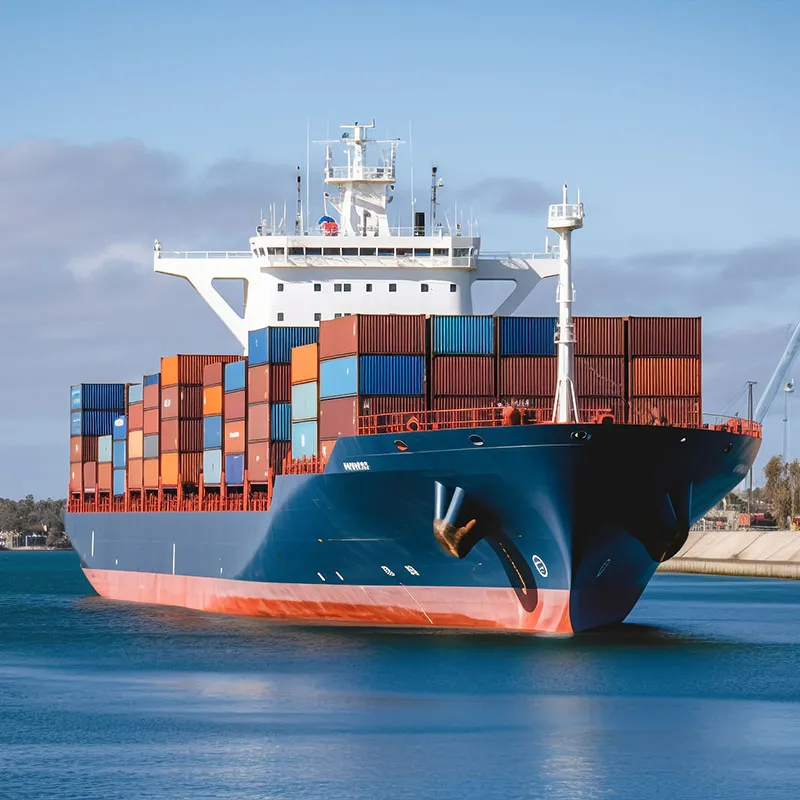
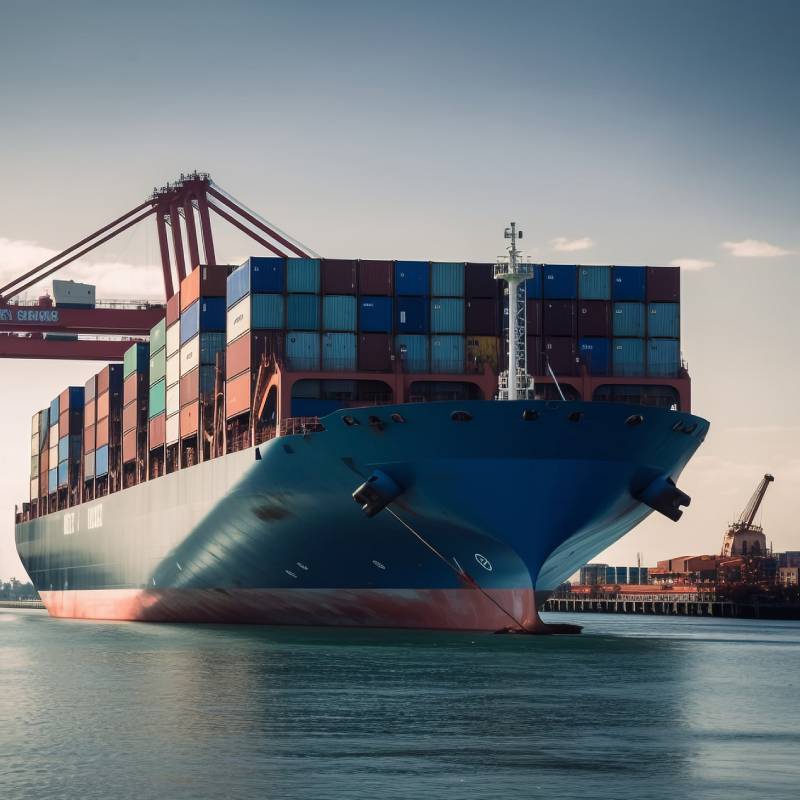
On the sea, containers are exposed to rough waves, strong winds, and changing weather conditions. These elements can cause the container to shift, rock, or even tip over if not properly secured. Once the containers reach the land, the vibrations from trucks or trains can also lead to movement within the container.
Proper Loading and Packing
The first step in ensuring container stability is proper loading and packing. You've got to distribute the weight evenly inside the container. Think of it like packing a suitcase; if you put all the heavy stuff on one side, it's going to be unbalanced.
When loading the container, start by placing the heaviest items at the bottom and towards the center. This helps lower the center of gravity, making the container more stable. Also, make sure to stack the goods neatly and use dunnage materials like wooden blocks, pallets, or airbags to fill any gaps. This prevents the items from moving around during transit.
For example, if you're shipping furniture, you can use straps to secure the pieces together. If there are small items, pack them in boxes and stack the boxes in an orderly manner. By doing this, you're not only ensuring the stability of the container but also protecting the goods from damage.
Securing the Container
Once the container is loaded, it's time to secure it properly. There are several ways to do this. One of the most common methods is using twist locks. These are devices that connect the container to the shipping vessel or the transport vehicle. They ensure that the container stays in place during the journey.
On a ship, containers are usually stacked on top of each other. To prevent them from sliding or toppling over, the twist locks are tightened to secure the containers together. When transporting by truck or train, the container is also secured to the vehicle using similar locking mechanisms.
In addition to twist locks, you can also use lashing straps. These are strong straps that can be used to secure the container to the transport vehicle or to other containers. They provide an extra layer of security, especially during rough sea conditions or bumpy land journeys.
Choosing the Right Transport Mode
The choice of transport mode can also have a significant impact on container stability. As I mentioned earlier, shipping to Austria often involves a combination of sea and land transport.
For sea transport, it's important to choose a reliable shipping line. Look for a company that has a good track record of safety and stability. They should have well - maintained vessels and experienced crew members who know how to handle containers in different weather conditions.
When it comes to land transport, consider the type of vehicle. Trucks and trains have different levels of stability. Trucks are more flexible and can reach remote areas, but they may be more affected by road conditions. Trains, on the other hand, are generally more stable and can carry a large number of containers at once.
Monitoring and Inspections
Throughout the transport process, it's essential to monitor the container's condition. This can be done through regular inspections. Before the container is loaded onto the transport vehicle, check for any signs of damage or loose fittings. Make sure all the securing devices are in place and working properly.
During the journey, you can use tracking systems to monitor the container's location and movement. Some advanced tracking systems can even detect vibrations and movements within the container. If any issues are detected, immediate action can be taken to prevent further problems.
Additional Considerations
There are a few other things to keep in mind when shipping containers to Austria. For instance, be aware of the customs regulations in Austria. Make sure all the necessary documentation is in order to avoid any delays at the border.
Also, consider the environmental conditions in Austria. The country has a variety of climates, from cold winters to warm summers. If you're shipping sensitive goods, you may need to take extra precautions to protect them from extreme temperatures.
Related Services
If you're interested in other shipping destinations in Europe, we also offer services like Shipping Container To Croatia, Shipping Container From China To Sweden, and Shipping From China To Cyprus. These services follow similar principles of ensuring container stability during transport.
Contact Us for More
If you're in the market for shipping containers to Austria or any of the other destinations I mentioned, don't hesitate to reach out. We're here to help you ensure that your goods are transported safely and securely. Whether you have questions about loading, packing, or securing your containers, we've got the expertise to assist you.
References
- International Maritime Organization (IMO) guidelines on container safety
- Federal Motor Carrier Safety Administration (FMCSA) regulations for land transport of containers
- European Union customs regulations for shipping goods to Austria