

Hey there, if you’re reading this, chances are you’re either a small business owner looking to ship your first container from China to Europe, or someone who’s dealt with sea freight headaches and just wants to get it right. I’ve been in the sea freight game for years now—specializing in shipping from China to Europe—and let me tell you, packing properly isn’t just about shoving stuff into boxes and calling it a day. Mess this up, and you’re looking at damaged goods, extra fees, or even delays that kill your bottom line. I’ve seen it all: fragile items wrapped in bubble wrap that’s paper-thin, heavy boxes stacked on top of delicate electronics, and pallets that aren’t even shrink-wrapped. So today, I’m breaking down exactly how to pack your goods the right way for sea freight, with tips I’ve picked up from handling thousands of shipments to countries like Cyprus, Finland, Greece, Malta, and Hungary.

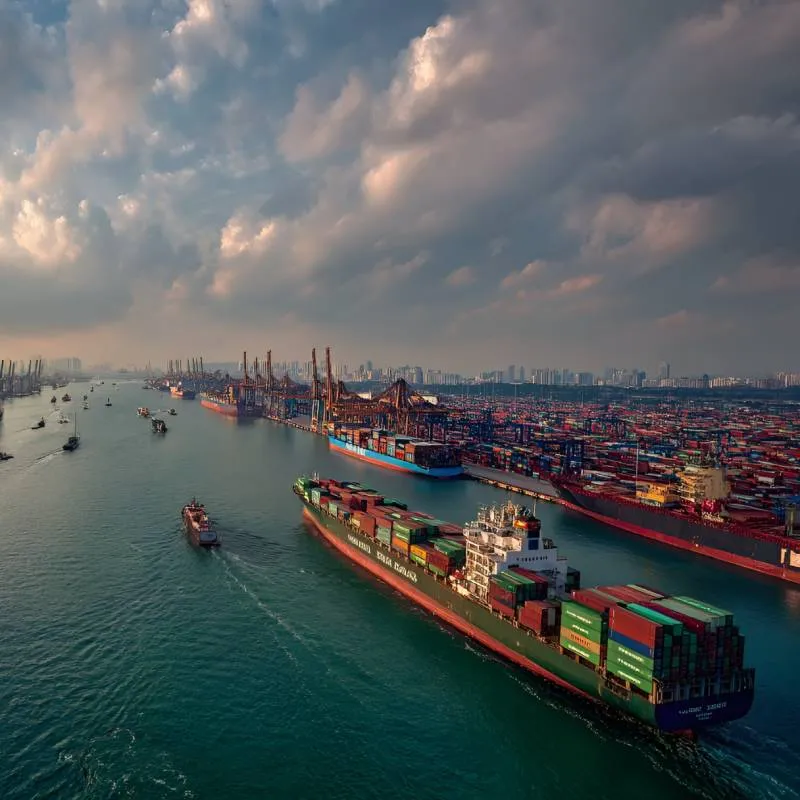
First off, let’s talk about why sea freight packing is different from shipping locally. Ocean voyages are rough—containers get tossed around in rough seas, temperature and humidity fluctuate (especially if you’re going to places like Finland where it’s cold, or Greece where it’s hot), and there’s a lot of hand-to-hand moving at ports. Cut corners here, and your goods might not make it in one piece. Let’s start with the basics: choosing the right packaging materials. A lot of people use whatever cardboard boxes they have lying around, but not all cardboard is created equal. For sea freight, you need double-walled corrugated boxes—not the flimsy single-wall stuff you use for a letter to a friend. Double-wall is way sturdier, can handle more weight, and doesn’t get soggy if there’s a little moisture (which there will be in a container, trust me). Pro tip: If you’re shipping heavy items, go for triple-wall boxes. I’ve had clients try to use single-wall for 50kg items, and 9 times out of 10, the box splits open mid-shipment. That’s a nightmare when your stuff is rolling around a port.
Next, size matters. Don’t use a box that’s way too big for your item. Why? Because empty space inside the box means the item can shift, which leads to damage. Fill any gaps with packing peanuts (the biodegradable kind, not the styrofoam that’s a pain to get rid of), crumpled newspaper, or air pillows. Whatever you do, don’t leave empty space—those shifts are what break glassware, electronics, even furniture. If you’re shipping furniture, wrap it in furniture blankets first, then use stretch film to hold the blankets in place. For items with sharp edges (like metal parts), make sure you cover those edges with corner protectors so they don’t puncture other boxes. And here’s a thing a lot of new shippers miss: label each box clearly. Use waterproof, tear-resistant labels—print them out twice, stick one on the top and one on the side. Include your company name, the destination address, the box number (like “Box 1 of 5”), and any handling instructions (like “Fragile: This Side Up”). If you’re shipping to a specific country, make sure customs labels are separate—don’t mix them up with your regular shipping labels. Speaking of countries, if you need specific info for any of these, check out our pages like Shipping From China To Cyprus, Shipping From China To Finland, or others for destination-specific rules, but let’s keep going with packing.
Pallets are non-negotiable for most sea freight shipments. You can’t just stack boxes on top of each other and call it a day—pallets keep everything uniform, make it easy for forklifts to move, and prevent boxes from getting crushed. When choosing pallets, go for heat-treated wood pallets—most European countries require IPPC-treated wood to avoid pests, so skip the untreated ones. If you’re shipping to a place like Malta, which has strict agricultural rules, this is extra important. How to stack on a pallet: use the “block pattern” where each layer is staggered so boxes lock into each other. Don’t overhang boxes off the sides of the pallet—they’ll get knocked off during handling. Once the pallet is stacked, wrap it tightly with shrink wrap—at least 5 layers, more if it’s a long voyage. Some people use strapping too, which is a good idea for heavy loads. I’ve seen pallets where the shrink wrap wasn’t tight enough, and half the boxes fell off when the forklift turned a corner. That’s not just damaged goods—it’s a delay that costs you money.
Now, let’s talk about fragile and sensitive items. These need extra love. For electronics, wrap them in anti-static bubble wrap first, then put them in a double-wall box with plenty of cushioning. If you’re shipping something really delicate, like a glass sculpture or a musical instrument, consider custom crating. Crates are sturdier than boxes—they’re usually wooden, and they’re built specifically for your item to minimize movement. A lot of people skip crating to save money, but when that item arrives cracked or broken, you’re out way more than the crating would have cost. For perishable goods? Wait, sea freight isn’t the best for perishables, but if you have to do it, use insulated shipping containers and include dry ice or gel packs. Just make sure you check the rules for your destination—some countries (like Hungary) have strict rules about bringing perishables in, so you don’t want to get stuck with a confiscated shipment. And for clothes or soft goods? Don’t overpack them in big boxes—they can get crushed. Use garment bags or smaller boxes so they stay in good shape when they arrive.
Another big one: weight distribution. Containers have a maximum weight (usually around 28,000 kg for a 20-foot container), but how you distribute the weight matters too. Heavy items go at the bottom of the container, light items on top. If you put heavy stuff on top of light stuff, you’ll crush the boxes below. Also, make sure the weight is evenly spread—don’t have all the heavy boxes on one side, because that can make the container unstable during the voyage. I once had a client who packed all their heavy machinery on the left side of a container, and when the ship hit rough seas, the container tilted a little. The machinery shifted, broke the wall, and damaged half the other boxes. That’s a story I tell all new clients—distribution is key.
Wait, what about hazardous goods? If you’re shipping anything that’s considered hazardous (like chemicals, batteries, flammable materials), you need to be extra careful. You can’t just pack those with regular goods—they require special packaging, labeling, and documentation. Make sure you disclose everything to your freight forwarder, because trying to hide hazardous goods is a huge risk. It can lead to the shipment being seized, fines, or even the ship being diverted. If you’re not sure what counts as hazardous, just ask—we’ve dealt with these shipments before, and we can guide you. For example, if you’re shipping batteries to Greece, there are specific rules for packaging them so they don’t short-circuit, so make sure you follow those.
Let’s also cover some common mistakes I see all the time. First, not testing your packaging. If you’re using a new type of box or material, do a test: drop a box from waist height, or shake it a little, to make sure it’s secure. Don’t just assume it’ll work because it’s a big name brand. Second, ignoring weather conditions. If your shipment is going to Finland in the winter, the container will be cold, so moisture can build up inside. Use desiccant packets inside boxes to absorb moisture. For places like Cyprus, which is hot and dry, you might need to make sure items don’t get damaged by extreme heat—so wrap sensitive items accordingly. Third, not counting your boxes. I can’t tell you how many times a client says “I have 10 boxes” but when they get to the port, they only have 9. That leads to delays because customs is missing a box. Count twice, label each box with a number, and keep a list.
Now, if you’re planning a shipment, whether it’s a full container or a partial (LCL, less than container load) to places like Hungary, Malta, or Finland, we’re here to help. I know packing can feel overwhelming, especially if you’re new to sea freight. That’s why we’ve put together specific resources for different destinations—like Shipping From China To Cyprus, which covers not just packing, but customs rules and port info, or Shipping Container From China To Greece which has tips for handling fragile items that are common in Greek markets.
If you’re tired of dealing with damaged goods, delays, or unexpected fees, let’s chat. We’ve helped hundreds of businesses pack their shipments right and get them to Europe on time. Whether you’re shipping your first small shipment or you’re a seasoned pro, we can give you personalized tips based on your goods and destination. Don’t leave your shipment to chance—packing properly is one of the easiest ways to make sure your goods arrive in perfect shape.
References:
- International Air Transport Association (IATA). (2022). Packaging Guidelines for Ocean Freight Shipments.
- European Commission. (2023). IPPC Wood Packaging Requirements for Imports into the EU.
- National Cargo Bureau. (2021). Best Practices for Container Loading and Weight Distribution.
- Sea Freight Europe Association. (2022). Fragile Goods Packaging Standards for Transoceanic Shipping.
- Your Company’s Internal Shipment Data (2018-2023). Damage Cause Analysis for China-Europe Sea Freight.