

When it comes to shipping goods to Europe, selecting the right container type is crucial for ensuring the safety, efficiency, and cost - effectiveness of the transportation process. As a dedicated supplier of shipping containers to Europe, I have extensive experience in this field and would like to share some insights on the container types suitable for shipping to this diverse continent.
Standard Dry Containers
Standard dry containers are the most commonly used container type for shipping to Europe. They are available in various sizes, with the 20 - foot and 40 - foot containers being the most popular. These containers are made of steel and are designed to protect goods from external elements such as rain, wind, and dust.
The 20 - foot container, also known as a TEU (Twenty - Foot Equivalent Unit), has a capacity of approximately 33 cubic meters. It is ideal for small - to medium - sized shipments, especially when the volume of goods is not very large. For example, if you are shipping a limited quantity of consumer goods like clothing, electronics, or small household items, a 20 - foot dry container can be a cost - effective option.
On the other hand, the 40 - foot container, or FEU (Forty - Foot Equivalent Unit), offers a larger capacity of around 67 cubic meters. This makes it suitable for larger shipments, such as furniture, machinery parts, or bulk commodities. Many European importers prefer 40 - foot containers when they need to transport a significant amount of goods at once, as it can reduce the overall shipping cost per unit of volume.
If you are interested in shipping to specific European countries like Austria, you can find more detailed information here: Shipping Container To Austria.
Reefer Containers
Reefer containers, or refrigerated containers, are essential for shipping temperature - sensitive goods to Europe. These containers are equipped with a refrigeration unit that can maintain a specific temperature range, usually between - 20°C and + 25°C.
Food products such as fruits, vegetables, meat, and dairy products are the main commodities that require reefer containers. For instance, fresh strawberries from South America or high - quality cheese from New Zealand need to be kept at a controlled temperature during transit to maintain their freshness and quality. In addition, some pharmaceutical products also need to be shipped in reefer containers to ensure their efficacy.
When shipping to Europe, it is important to ensure that the reefer container meets the strict European Union (EU) regulations regarding food safety and environmental protection. The refrigeration system should be regularly maintained and monitored to prevent any temperature fluctuations that could damage the goods. If you are shipping from China to Lithuania and need to transport temperature - sensitive items, you can refer to this link for more guidance: Shipping From China To Lithuania.

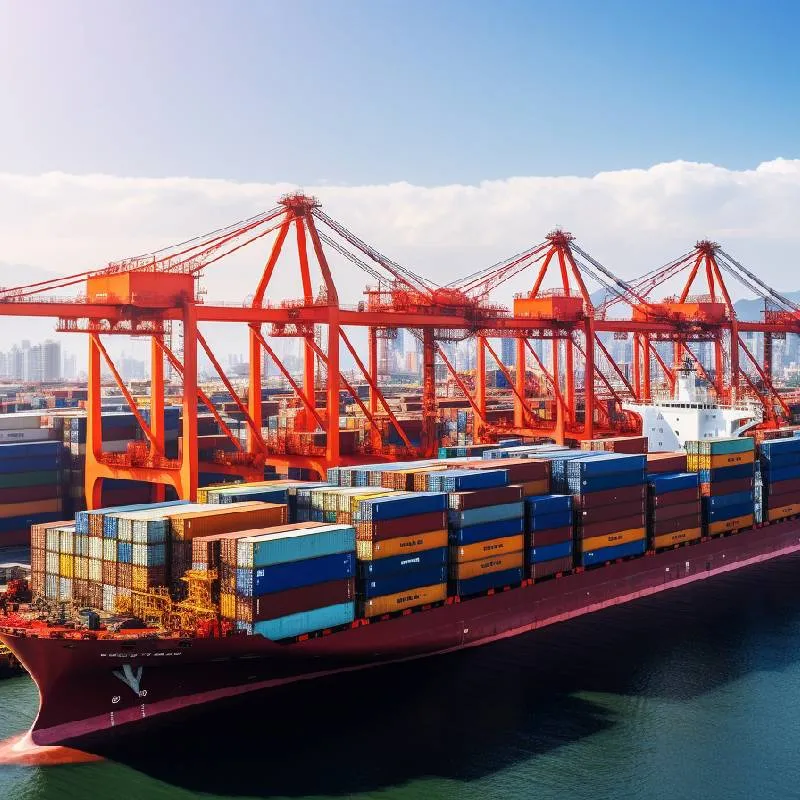
Open - Top Containers
Open - top containers are a specialized type of container that has an open top instead of a solid roof. This design allows for easy loading and unloading of oversized or bulky goods that cannot be loaded through the container doors.
Goods such as large machinery, construction materials (like steel beams or pre - fabricated building components), and vehicles can be transported in open - top containers. For example, if you are shipping a large excavator to a construction site in Spain, an open - top container can be used to lift the machine directly into the container using a crane.
However, when using open - top containers, it is necessary to protect the goods from the weather. A tarpaulin is usually provided to cover the top of the container during transit. If you are interested in shipping to Spain and need an open - top container, you can check out this link: Shipping Container To Spain.
Flat - Rack Containers
Flat - rack containers are another option for shipping oversized and heavy goods to Europe. These containers have a flat platform with collapsible sides, which provides a large and open loading area.
Flat - rack containers are suitable for transporting extremely large items such as industrial equipment, boats, or large pipes. The collapsible sides allow for easy access to the container for loading and unloading. Moreover, the flat - rack design can distribute the weight of the heavy goods evenly, reducing the risk of damage during transit.
Tank Containers
Tank containers are used for shipping liquid or gaseous products to Europe. They are designed to transport a wide range of substances, including chemicals, petroleum products, and food - grade liquids.
These containers are made of high - quality steel and are equipped with safety features such as pressure relief valves and leak - detection systems. For example, if you are shipping a large quantity of edible oil or industrial chemicals to a European port, a tank container can ensure the safe and efficient transportation of these liquids.
Factors to Consider When Choosing a Container Type
- Nature of Goods: The type of goods you are shipping is the most important factor in determining the container type. As mentioned above, dry goods can be shipped in standard dry containers, while temperature - sensitive goods require reefer containers.
- Volume and Weight: The volume and weight of the goods will also affect the container selection. You need to ensure that the container has enough capacity to hold all the goods and can withstand the weight without overloading.
- Shipping Route and Destination: Different shipping routes and destinations may have specific requirements and restrictions. For example, some European ports may have limitations on the size or type of containers they can handle. It is important to check these details in advance to avoid any delays or additional costs.
- Cost: The cost of shipping is always a significant consideration. Different container types have different rental and shipping costs. You need to balance the cost with the requirements of your goods to find the most cost - effective solution.
Conclusion
Selecting the right container type for shipping to Europe is a complex decision that requires careful consideration of various factors. As a shipping container to Europe supplier, I am committed to providing my customers with the best container solutions based on their specific needs. Whether you are shipping dry goods, temperature - sensitive products, oversized items, or liquids, I can help you choose the most suitable container type and ensure a smooth and efficient shipping process.
If you are interested in purchasing shipping containers for your European shipments or need more information about container types and shipping services, please feel free to contact me for a detailed discussion. I look forward to working with you to meet your shipping requirements.
References
- International Maritime Organization (IMO) regulations on container shipping.
- European Union (EU) directives on food safety and environmental protection for containerized goods.
- Industry reports on shipping container trends and best practices.