

When I started my career as a sea freight specialist focused on moving cargo from China to Europe seven years ago, one of the first things my team and I learned is that shipping lines aren’t one-size-fits-all. Every carrier has its own strengths, weaknesses, reputation quirks, and ideal use cases—especially when you’re dealing with the complexities of cross-continental logistics. Over the years, I’ve seen clients swear by one line for their Shanghai-to-Hamburg runs, only to be frustrated when that same line underperforms for their Ningbo-to-Rotterdam shipments. That’s why today, I want to break down the reputation of the major players in this space, share the lessons I’ve learned working with hundreds of importers and exporters, and help you figure out which line might be the right fit for your cargo.
First, let’s ground this in what actually matters for most businesses shipping from China to Europe. The top priorities for our clients are usually on-time delivery rates, damage records, pricing consistency, customer service responsiveness, and coverage of smaller ports that aren’t just the big hubs like Rotterdam or Hamburg. For example, if you’re shipping to a country like Croatia, which isn’t the most common final destination for full-container loads, the reliability of a line’s feeder services from major hubs to smaller ports can make or break your timeline. That’s why we’ve seen many clients check out options like Shipping Container To Croatia to see which lines actually offer consistent service there, rather than just assuming a major global line covers every corner of Europe.
Let’s start with the “big three” global carriers that dominate the China-Europe sea lane: Maersk, MSC, and CMA CGM. These lines move the most TEUs (twenty-foot equivalent units) on this route, and their reputations are pretty well-established in the industry. Maersk, for instance, has a reputation for being the most reliable when it comes to on-time deliveries. Their fleet is among the most modern, they invest heavily in port infrastructure, and their tracking technology is some of the best in the business. But that reliability comes at a cost—Maersk is almost always the most expensive option for standard FCL (full container load) shipments. We’ve had clients who will pay 10-15% more for Maersk because their cargo is time-sensitive, like seasonal fashion goods that need to hit European shelves for holiday sales. Their weakness, from what we’ve seen, is customer service for smaller businesses. If you’re a small or medium-sized enterprise (SME) shipping a single container from China to a more remote part of Europe, their support teams can feel impersonal, and getting a quick update on a delayed container might take longer than you’d like.
MSC (Mediterranean Shipping Company) is the other giant in this space, and their reputation is a bit more split. They’re known for offering some of the most competitive pricing on the market, which is why they’ve grown so quickly over the last decade. For standard, non-time-sensitive cargo like industrial parts or bulk consumer goods, MSC is often a great option. But their on-time rates can be inconsistent. In 2022, for example, we saw MSC experience more delays than Maersk on the Shanghai-to-Rotterdam lane, partly because they adjusted their schedules to accommodate higher volumes during post-pandemic demand surges. Another thing to note about MSC is their coverage of Northern Europe. If you’re shipping to Sweden, their feeder services from Hamburg or Rotterdam to ports like Gothenburg or Stockholm are pretty reliable, but you might want to confirm that when you’re researching options like Shipping Container From China To Sweden. We’ve had a few clients end up paying extra for last-minute reroutes when MSC’s feeder vessel had mechanical issues, so that’s a risk to factor in for tight timelines.
CMA CGM is the third of the big three, and they tend to sit somewhere in the middle when it comes to both price and reliability. Their reputation has improved a lot over the last five years, after some rough patches during the pandemic when they had major container shortages. Today, they have a strong focus on Southern Europe, which is a big plus for shippers targeting markets like Romania, Greece, or Italy. If you’re shipping to Greece, for example, CMA CGM has regular direct calls to Piraeus (Athens), which cuts down on transit time compared to lines that only serve northern European hubs and rely on feeder services. Their on-time rates are solid, averaging around 88% on the China-Europe lane, which is right between Maersk’s 91% and MSC’s 85%, from our internal data. Their customer service is also more approachable for SMEs than Maersk’s, which is a big draw for many of our clients. We’ve had a great experience with their ability to handle special requests, like holding a container at a port for a few extra days while a client sorts out customs documentation, something that Maersk is less flexible about.
Beyond the big three, there are a few other major lines that have carved out specific niches in the China-Europe trade. One of the most notable is COSCO Shipping, which is based in China and has a huge share of the trade between Asian and European ports. COSCO’s reputation is all about consistency and value, especially for customers moving cargo from Chinese ports like Ningbo, Qingdao, or Shenzhen. They offer some of the most competitive pricing for FCL shipments, and their on-time rates are actually pretty strong—around 87%, according to the latest industry reports. A big plus for COSCO is their integration with other services, like their inland transportation network in Europe. If your cargo needs to go beyond the port to a warehouse in Hungary, for example, COSCO can often offer a door-to-door rate that includes the sea freight and overland transport, which simplifies the process. We’ve seen a lot of small manufacturers in China partner with COSCO because they understand the needs of Asian exporters better than some Western lines. The only downside is that their customer service can be slower to respond to urgent requests, since many of their core teams are based in Asia and time zone differences can make real-time communication tricky.
Another line to consider is Hapag-Lloyd, which is a German carrier with a strong focus on Northern Europe. Their reputation is built on reliability for time-sensitive cargo to ports like Hamburg, Antwerp, and Rotterdam. They don’t always have the cheapest rates, but their transit times are very consistent—usually 28-30 days from Shanghai to Hamburg, which is about two days faster than the average for other lines. We’ve worked with automotive parts suppliers who rely on Hapag-Lloyd because even a small delay can shut down production lines in Europe, so the extra cost is worth it. For shippers targeting Central Europe, like Czechia or Austria, Hapag-Lloyd’s inland connections are seamless, though if you’re looking at the Balkans, they don’t cover as many ports as CMA CGM or even some smaller lines.
Now, let’s talk about the reputation of lines when it comes to specific destinations in Europe, because that’s where a lot of shippers get tripped up. For example, if you’re shipping to Romania, which has grown a lot as a manufacturing and consumer market over the last five years, not all lines offer equal service. We’ve found that CMA CGM and MSC have the best coverage for Romanian ports like Constanta, with weekly sailings and reliable feeder connections to inland destinations. When clients research options like Shipping Container From China To Romania, they often come to us with concerns about customs delays, and both CMA CGM and COSCO have dedicated teams that help with documentation for Eastern Europe, which reduces those delays.

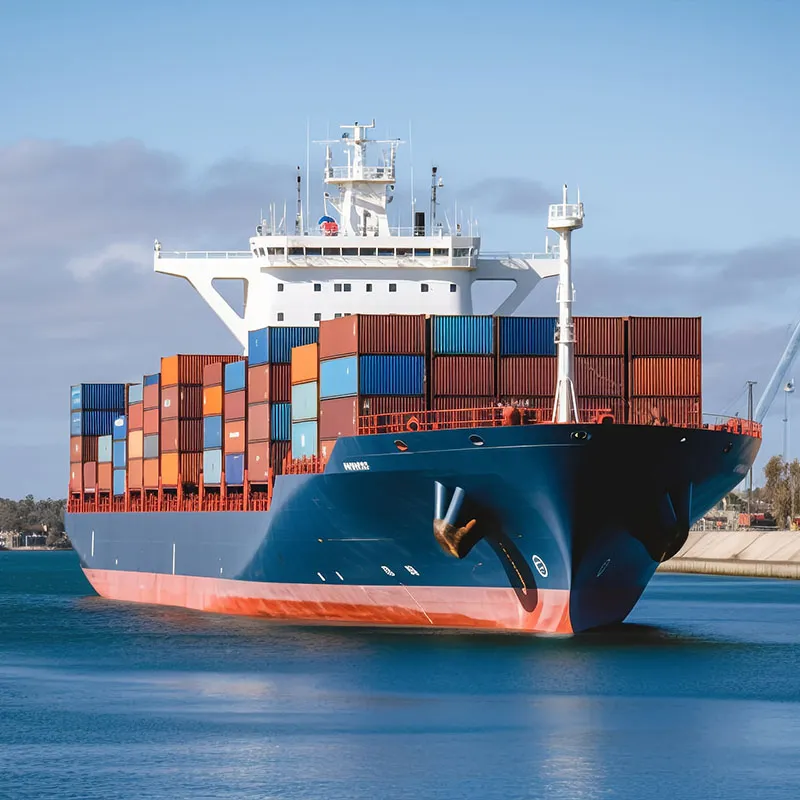
For Greece, as I mentioned earlier, CMA CGM is a standout. They have multiple weekly sailings to Piraeus, which is the main port for Athens and a major hub for the Balkans. A lot of lines will only call at Piraeus every 10 days, which can push your total transit time back, but CMA CGM’s frequency makes them the go-to for that route. If you’re looking at Shipping Container From China To Greece, keep in mind that some lines will charge extra for oversized or heavy cargo to Greek ports, so it’s worth checking that fine print before booking.
Croatia is a smaller market, but it’s growing fast as a tourism hub and has a growing tech sector. When clients ask about Shipping Container To Croatia, we usually recommend either MSC or a regional feeder line called Unifeeder, because MSC offers sailings that connect through Rotterdam to the port of Koper (in Slovenia, but a common gateway for Croatia) or directly to the port of Split. The service to Split isn’t daily, but it’s consistent, and the pricing is usually more competitive than Maersk’s. Just be aware that transit times to Croatia are usually 35-40 days, about a week longer than to northern European hubs, so plan accordingly.
Hungary is another market that’s popular for both manufacturing imports and consumer goods. When it comes to Shipping From China To Hungary, COSCO and Hapag-Lloyd are the top choices, in our experience. Both lines have regular connections to the port of Budapest via the Danube River, which means you can avoid the extra cost of overland transport from a coastal port. COSCO actually offers direct river barge service from Rotterdam to Budapest, which cuts down on transit time and reduces the risk of damage from trucking. We’ve had clients who used to pay for full truckloads from Germany to Hungary switch to COSCO’s river service and save up to 20% on transportation costs, with better on-time reliability.
Now, let’s get real about the gaps and challenges in this space, because reputation isn’t all positive. One of the biggest issues we see across all lines is the impact of blank sailings. During peak seasons, like before the holiday shopping period in Europe, lines will cancel sailings to balance capacity, which can cause delays of a week or more. Maersk is usually better at notifying clients about blank sailings ahead of time, while smaller lines might only inform you a few days before the vessel is supposed to leave, which can be a nightmare if you have tight deadlines. Another common complaint is container availability. After the pandemic, lines were slow to rebuild their fleets, and there were times when even popular routes had a shortage of containers. That’s improved, but it’s still a risk for shippers booking last-minute.
Customer service is another area where reputations vary widely. Maersk’s support is great if you have a dedicated account manager, but if you’re a small business without a big account, you might be stuck on hold for hours when you need an update. COSCO’s support is usually friendly, but because of time zones, it can take 24-48 hours to get a response to urgent queries. MSC’s support has gotten better in recent years, with a lot of online tools for tracking and booking, but some clients still report that resolving issues like cargo damage or customs mistakes can be a slow process.
So, what does all this mean for you, as a business looking to ship from China to Europe? The key takeaway is that the “best” line depends on your specific needs. If you’re shipping time-sensitive, high-value cargo and cost isn’t the biggest concern, Maersk is the safest bet. If you’re looking for the best balance of price and reliability for standard cargo, COSCO or CMA CGM are strong options. If you’re shipping to Northern Europe and need tight transit times, Hapag-Lloyd is hard to beat. And if you’re targeting Southern or Eastern European markets, checking coverage for your specific port is more important than just going with a big name—resources like Shipping Container From China To Greece or Shipping From China To Hungary can help you narrow down which lines actually serve your destination well.
At the end of the day, after seven years in this industry, the reputation of a shipping line is only as good as their ability to meet your unique needs. A line that’s perfect for one client might be a disaster for another, depending on their cargo type, timeline, and final destination. That’s why we work closely with every client to understand their specific requirements, rather than just pushing the line that offers the lowest price. We’ve seen too many businesses lose money or damage relationships because they chose the wrong line for their route, and that’s a mistake we want to help you avoid.
If you’re planning a shipment from China to Europe and want to learn more about which shipping lines are best for your specific destination—whether that’s Croatia, Sweden, Romania, Greece, Hungary, or another European country—our team is here to help. We can provide detailed breakdowns of each line’s performance for your route, pricing estimates, and advice on how to avoid common pitfalls like delays or cargo damage. The key to a smooth sea freight experience is partnering with someone who knows the reputation of each line inside and out, and can guide you to the right choice for your business.
We look forward to discussing your shipping needs and helping you find the best solution for your cargo.
References:
- Alphaliner. (2024). Global Container Shipping Line Performance Report. Alphaliner Publications.
- International Chamber of Shipping. (2023). China-Europe Trade Lane Logistics Analysis. ICS Research.
- Sea Intelligence. (2024). European Port Feeder Service Reliability Index. Sea Intelligence Data.
- Transparency International. (2023). Customs Delay Trends in Eastern and Southern European Ports. Global Trade Reports.
- Industry Surveys. (2024). SME Experience with Shipping Line Customer Service. European Freight Association.