

Are there any restrictions on shipping goods from China to Netherlands?
As a supplier specializing in shipping goods from China to the Netherlands, I often encounter inquiries from clients regarding the restrictions associated with this shipping route. Understanding these restrictions is crucial for a smooth and compliant shipping process. In this blog, I will delve into the various aspects of shipping restrictions and provide valuable insights for anyone looking to transport goods from China to the Netherlands.
Regulatory and Customs Restrictions
One of the primary factors influencing shipping from China to the Netherlands is the regulatory framework and customs requirements of both countries. The Chinese government has its own set of regulations governing the export of goods, while the Netherlands, as a member of the European Union (EU), adheres to EU-wide customs regulations.
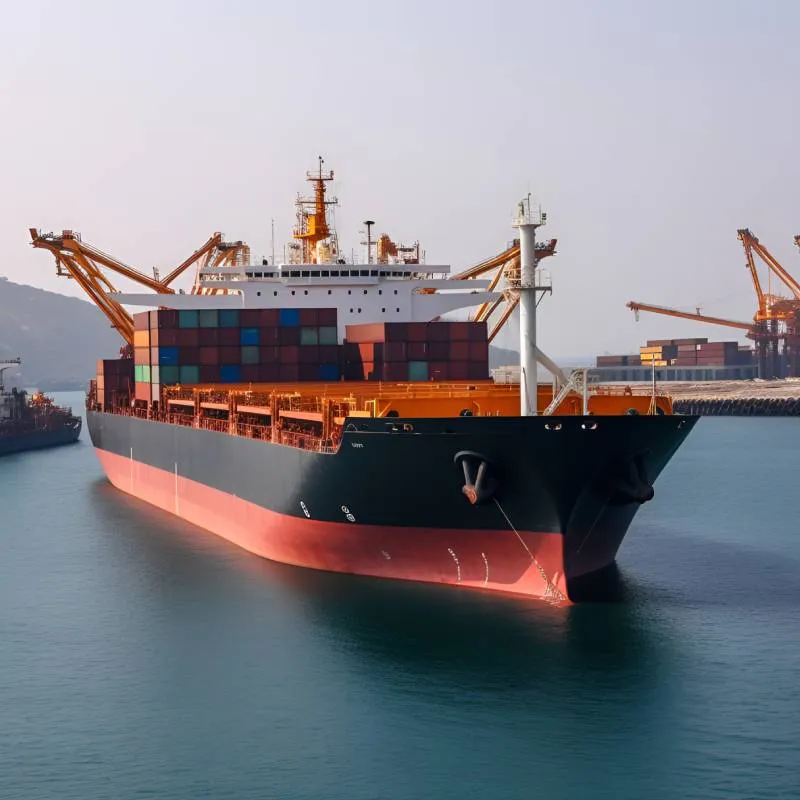

- Export Regulations in China: China has specific rules regarding the export of certain goods. For example, items such as weapons, drugs, and counterfeit products are strictly prohibited from being exported. Additionally, there are restrictions on the export of endangered species and products made from them, in accordance with international agreements like CITES (Convention on International Trade in Endangered Species of Wild Fauna and Flora). Some goods may also require special export licenses or permits, such as high-tech products with potential military applications.
- Import Regulations in the Netherlands and EU: When goods arrive in the Netherlands, they are subject to EU customs regulations. The EU has a common external tariff, which means that the same duties and taxes apply to imports from non-EU countries like China. Goods may be subject to value-added tax (VAT) and customs duties based on their classification and value. There are also strict regulations regarding food safety, product quality, and environmental standards. For instance, food products must meet EU hygiene and safety requirements, and electronic devices need to comply with relevant safety and environmental regulations.
Documentation Requirements
Proper documentation is essential for shipping goods from China to the Netherlands. Failure to provide accurate and complete documentation can lead to delays, fines, or even the seizure of goods.
- Commercial Invoice: This document provides details about the goods being shipped, including their description, quantity, value, and the terms of sale. It is used by customs authorities to determine the applicable duties and taxes.
- Bill of Lading or Air Waybill: These documents serve as a contract of carriage between the shipper and the carrier. They provide information about the origin, destination, and routing of the goods, as well as the names of the shipper, consignee, and carrier.
- Packing List: A packing list details the contents of each package, including the quantity, weight, and dimensions of the goods. It helps customs officials verify the accuracy of the shipment.
- Certificates and Licenses: Depending on the nature of the goods, additional certificates or licenses may be required. For example, food products may need a certificate of origin and a health certificate, while certain chemicals may require a hazardous materials certificate.
Prohibited and Restricted Goods
There are several categories of goods that are either prohibited or restricted from being shipped from China to the Netherlands.
- Prohibited Goods: As mentioned earlier, weapons, drugs, and counterfeit products are strictly prohibited. Other prohibited items include pornographic materials, radioactive substances, and certain types of waste.
- Restricted Goods: Some goods are restricted and may require special permits or approvals. This includes items such as live animals, plants, and products containing certain chemicals. For example, the import of live animals into the Netherlands requires a veterinary certificate and compliance with EU animal health regulations.
Shipping Modes and Their Considerations
When shipping goods from China to the Netherlands, there are several shipping modes available, each with its own advantages and limitations.
- Sea Freight: Sea freight is the most common and cost-effective option for shipping large volumes of goods. However, it has a longer transit time compared to air freight. When using sea freight, it is important to consider factors such as container size, shipping schedules, and port congestion. Additionally, sea freight may be subject to weather conditions and other unforeseen circumstances that can cause delays.
- Air Freight: Air freight is a faster option, making it suitable for high-value or time-sensitive goods. However, it is more expensive than sea freight. When choosing air freight, factors such as airline capacity, flight schedules, and airport regulations need to be taken into account.
- Courier Services: Courier services are often used for small packages and documents. They offer door-to-door delivery and tracking services. However, they may have restrictions on the size and weight of the packages, as well as the types of goods that can be shipped.
Impact of Trade Agreements
Trade agreements between China and the EU can have a significant impact on shipping goods from China to the Netherlands. For example, the EU-China Comprehensive Agreement on Investment (CAI) aims to improve market access and investment protection between the two sides. While the CAI is still being ratified, it has the potential to reduce trade barriers and simplify the shipping process in the future.
Other Considerations
In addition to the above factors, there are other considerations when shipping goods from China to the Netherlands.
- Insurance: It is advisable to purchase insurance for your goods during transit to protect against loss or damage. Different insurance policies offer different levels of coverage, so it is important to choose the right one based on the value and nature of your goods.
- Shipping Agents and Freight Forwarders: Working with a reliable shipping agent or freight forwarder can help you navigate the complex shipping process. They have the expertise and experience to handle documentation, customs clearance, and other aspects of shipping.
- Market Trends and Seasonal Factors: Market trends and seasonal factors can also affect the shipping process. For example, during peak seasons such as the Christmas holiday period, there may be higher demand for shipping services, which can lead to increased costs and longer transit times.
Conclusion
Shipping goods from China to the Netherlands involves a complex set of regulations, documentation requirements, and considerations. By understanding these factors and working with experienced professionals, you can ensure a smooth and compliant shipping process. If you are interested in shipping goods from China to the Netherlands or other European countries such as Shipping From China To Slovakia, Shipping Container From China To Malta, or Shipping Container From China To Poland, I am here to assist you. Please feel free to contact me for more information and to discuss your specific shipping needs.
References
- European Union Customs Code
- Chinese Export Regulations
- International Maritime Organization (IMO) Guidelines
- World Trade Organization (WTO) Rules and Agreements