

When it comes to shipping leather goods from China to the USA, there are indeed a number of restrictions and considerations that businesses and individuals need to be aware of. As a seasoned China to USA shipping provider, I've witnessed firsthand the complexities involved in this process. In this blog post, I'll delve into the various aspects of these restrictions, offering insights and guidance to ensure a smooth shipping experience.
Regulatory Requirements
One of the primary concerns when shipping leather goods is compliance with both Chinese and American regulations. In China, exporters must adhere to domestic laws regarding the production and export of leather products. This includes ensuring that the leather is sourced legally and that the manufacturing processes meet environmental and labor standards. For instance, there are strict regulations on the use of chemicals in tanning processes to prevent environmental pollution.
On the American side, the U.S. Customs and Border Protection (CBP) has a set of rules in place to protect consumers, the environment, and national security. Leather goods are subject to inspection to ensure they do not contain any prohibited substances or materials. For example, certain types of leather treated with harmful chemicals or those made from endangered animal species are strictly prohibited.
Tariffs and Duties
Tariffs and duties are another significant factor when shipping leather goods from China to the USA. The United States imposes tariffs on imported leather products, which can vary depending on the type of leather, the product category, and the value of the shipment. These tariffs are designed to protect domestic industries and can have a substantial impact on the cost of importing leather goods.
It's essential for shippers to accurately classify their leather products according to the Harmonized Tariff Schedule (HTS) to determine the applicable tariff rates. Misclassification can lead to delays in customs clearance and potential penalties. As a shipping provider, I work closely with my clients to ensure proper classification and to explore any available tariff exemptions or preferential trade agreements that could reduce the overall cost of shipping.
Documentation Requirements
Proper documentation is crucial for the successful shipment of leather goods. Shippers must provide a detailed commercial invoice that includes information such as the description of the goods, their value, the quantity, and the country of origin. Additionally, certificates of origin may be required to prove that the leather goods are indeed from China.
Other important documents may include packing lists, bill of lading, and any relevant permits or licenses. For example, if the leather goods are made from certain types of exotic leather, a CITES (Convention on International Trade in Endangered Species of Wild Fauna and Flora) permit may be necessary. Failure to provide the required documentation can result in customs hold-ups and additional costs.
Quality and Safety Standards
The United States has strict quality and safety standards for imported leather goods. These standards are in place to protect consumers from potential health and safety risks. Leather products must meet requirements related to flammability, chemical content, and physical durability.
For example, leather furniture must comply with flammability standards to prevent the spread of fire. Leather clothing and accessories may be subject to testing for the presence of harmful chemicals such as lead and phthalates. As a shipping provider, I encourage my clients to work with suppliers who adhere to these standards to avoid any issues during customs clearance.
Shipping Options
When shipping leather goods from China to the USA, there are several shipping options available, each with its own advantages and disadvantages. Air freight is the fastest option, but it is also the most expensive. It is suitable for high-value, time-sensitive shipments.
Sea freight, on the other hand, is more cost-effective for large-volume shipments. However, it has a longer transit time. Shippers can choose between full container load (FCL) and less than container load (LCL) options depending on the size of their shipment.

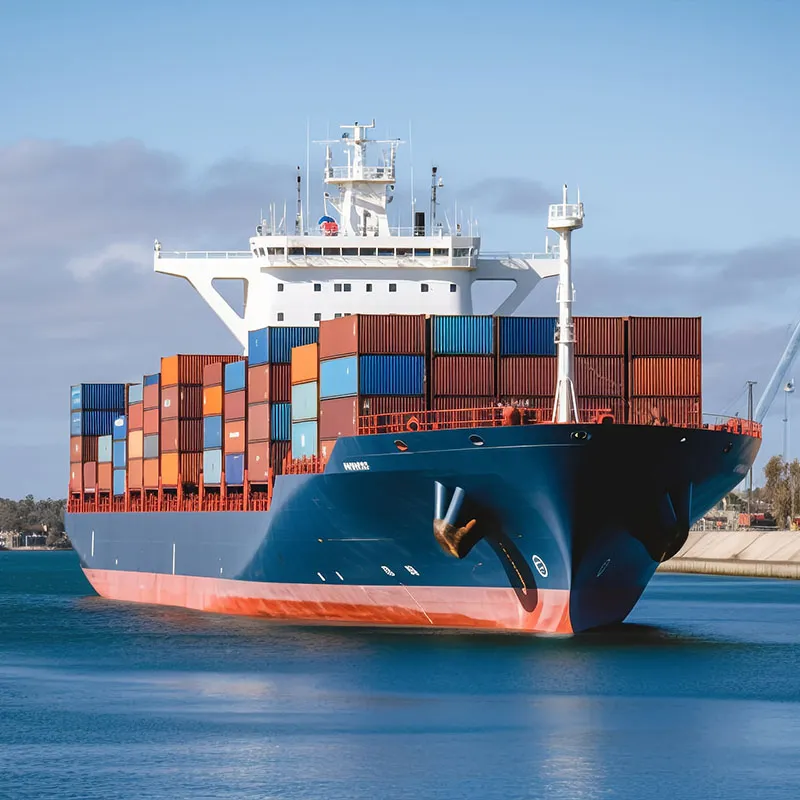
As a shipping provider, I help my clients evaluate their shipping needs and choose the most appropriate shipping method based on factors such as cost, transit time, and the nature of the leather goods.
Environmental Considerations
In recent years, there has been an increasing focus on environmental sustainability in the shipping industry. Leather production can have a significant environmental impact, particularly in terms of water pollution and deforestation. As a responsible shipping provider, I encourage my clients to source leather from suppliers who follow sustainable practices.
Some shipping companies also offer environmentally friendly shipping options, such as carbon-neutral shipping. By choosing these options, shippers can reduce their carbon footprint and contribute to a more sustainable future.
Conclusion
Shipping leather goods from China to the USA involves navigating a complex web of regulations, tariffs, and documentation requirements. However, with the right knowledge and expertise, these challenges can be overcome. As a [Your Role] in the shipping industry, I am committed to helping my clients understand and comply with all the necessary requirements to ensure a seamless shipping experience.
If you are interested in shipping leather goods from China to the USA or have any questions about the shipping process, I invite you to [Contact Action]. I look forward to working with you to meet your shipping needs.
References
- U.S. Customs and Border Protection official website
- Harmonized Tariff Schedule of the United States
- Convention on International Trade in Endangered Species of Wild Fauna and Flora (CITES)