

As a supplier specializing in shipping from China to Hungary, I've witnessed firsthand how seasonal factors can significantly influence the shipping process. In this blog, I'll delve into the various seasonal elements that can impact shipping routes, costs, and schedules between these two regions.
Spring: A Season of Renewal and Challenges
Spring in China and Hungary brings a mix of opportunities and challenges for shipping. In China, the post - Chinese New Year period, which typically falls in late January or early February, can cause disruptions. Many factories shut down for the holidays, leading to a backlog of orders. This means that when the factories reopen, there is a rush to fulfill these orders, and shipping demand surges.
On the shipping routes, spring can bring unpredictable weather conditions. The South China Sea, a crucial part of the shipping lane from China to Europe, may experience typhoon - like systems or heavy rains. These weather events can delay ships, increase the risk of damage to cargo, and cause scheduling issues. In Hungary, spring also marks the start of the agricultural season. This can lead to an increase in the demand for imported agricultural machinery and fertilizers from China, further straining the shipping capacity.
Summer: Peak Shipping Season
Summer is often considered the peak shipping season from China to Hungary. As the weather improves in both regions, shipping conditions become more favorable. The seas are generally calmer, allowing for smoother voyages and fewer delays due to weather.
In Hungary, the summer months are a time of increased consumer activity. There is a higher demand for consumer goods, electronics, and clothing imported from China. Retailers in Hungary start stocking up for the upcoming holiday seasons, such as Christmas. This leads to a significant increase in shipping volume.
However, the high demand also means that shipping costs tend to rise during the summer. Shipping companies may increase their rates due to the limited availability of containers and vessels. It's important for businesses to plan ahead and book their shipments well in advance to secure favorable rates. For example, if you're a retailer in Hungary looking to import a large quantity of summer clothing from China, you should start the shipping process at least a few months in advance.
Autumn: Preparing for the Holidays
Autumn is a crucial time for shipping from China to Hungary as businesses gear up for the holiday season. In China, factories are working at full capacity to produce goods for the Western market, including Hungary. There is a high demand for toys, decorations, and other holiday - related items.
The shipping routes may experience congestion during this time. As more and more ships are on the move, ports can become overcrowded. Delays at ports can be common, which can impact the delivery schedule of goods. Additionally, autumn in some parts of the shipping route can bring foggy conditions, especially in the North Sea area. These foggy conditions can slow down ships and increase the risk of accidents.
It's also important to note that as the year progresses, shipping companies may start to adjust their schedules and capacity. Some may reduce the number of sailings or reallocate their resources to more profitable routes. This can further complicate the shipping process for businesses shipping from China to Hungary.
Winter: Cold Weather and Shipping Disruptions
Winter in both China and Hungary can bring harsh weather conditions that have a significant impact on shipping. In China, the northern ports may experience freezing temperatures, which can lead to ice formation. This ice can make it difficult for ships to dock and unload cargo, causing delays.
In Hungary, the cold weather can disrupt the transportation of goods once they arrive at the port. Snow and ice on the roads can make it challenging for trucks to transport the cargo from the port to the final destination. This can lead to additional delays and increased costs.
Moreover, winter is also a time when shipping companies may face higher operating costs. They need to take extra precautions to ensure the safety of the crew and the cargo in cold weather. These additional costs are often passed on to the customers in the form of higher shipping rates.
Impact on Shipping Costs
Seasonal factors have a direct impact on shipping costs. During peak seasons, such as summer and autumn, when the demand for shipping is high, the costs tend to be higher. Shipping companies may charge premium rates for expedited services or for securing a container during these busy times.
In contrast, during off - peak seasons, such as the post - Chinese New Year period in spring and the cold winter months, shipping costs may be lower. However, the lower costs may be offset by the increased risk of delays due to weather and other factors.
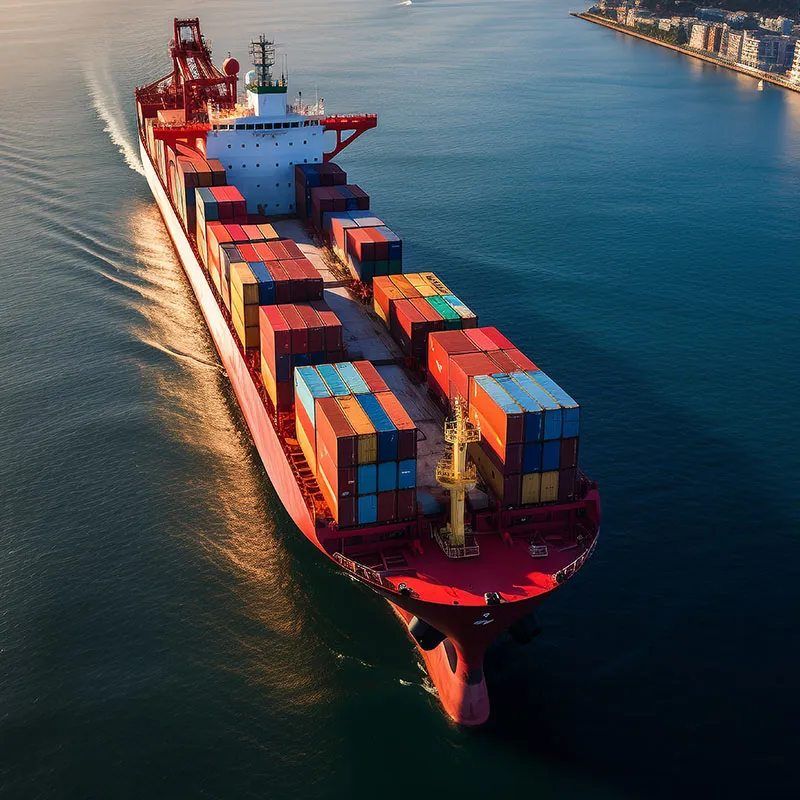

It's important for businesses to carefully consider the seasonal factors when planning their shipping. By understanding when the costs are likely to be high or low, they can make more informed decisions about when to ship their goods and how to manage their budgets.
Impact on Shipping Routes
Seasonal factors can also affect the shipping routes. During the summer, when the seas are calmer, ships may take more direct routes. However, in winter, due to ice and bad weather in some areas, ships may need to take alternative routes. This can increase the distance traveled and the time taken for the shipment.
For example, in winter, ships may avoid the northern routes and instead take a more southern route to avoid ice - covered waters. This can add several days to the shipping time, which can be a problem for businesses that need their goods to arrive on time.
How to Mitigate the Impact of Seasonal Factors
As a shipping supplier, I recommend several strategies to mitigate the impact of seasonal factors. Firstly, businesses should plan their shipments well in advance. By knowing the peak and off - peak seasons, they can book their shipments at the most cost - effective times.
Secondly, it's important to work with a reliable shipping partner. A good shipping company will have experience in dealing with seasonal challenges and can provide valuable advice on the best shipping routes and schedules. They can also help businesses manage any delays or disruptions that may occur.
Finally, businesses should consider alternative shipping methods. For example, in addition to sea freight, they can also explore air freight or rail freight. Air freight is faster but more expensive, while rail freight can be a cost - effective and reliable option, especially for certain types of goods.
Related Shipping Services
If you're interested in other shipping routes in Europe, we also offer Shipping Container From China To Greece, Shipping Container From China To Sweden, and Shipping Container From China To Romania. These services are also subject to seasonal factors, and we can provide you with detailed information on how to manage your shipments effectively.
Conclusion
In conclusion, seasonal factors play a significant role in shipping from China to Hungary. From the weather - related challenges to the fluctuations in demand, businesses need to be aware of these factors and plan accordingly. By understanding the impact of each season on shipping costs, routes, and schedules, businesses can make more informed decisions and ensure the smooth transportation of their goods.
If you're interested in our shipping services from China to Hungary or have any questions about how seasonal factors may affect your shipments, please don't hesitate to contact us for a detailed discussion and procurement negotiation. We're here to help you navigate the complexities of international shipping and ensure the success of your business.
References
- "Shipping Industry Trends and Seasonal Patterns" - Maritime Research Institute
- "Impact of Weather on International Shipping" - Journal of Shipping and Logistics
- "Seasonal Demand for Imported Goods in Hungary" - Hungarian Economic Research Center