

If you’re in the manufacturing or agricultural industry, chances are you’ve wondered about moving heavy or specialized equipment across borders—and if that machinery fits in a container for shipping to Croatia. As a leading provider in shipping container solutions to the region, I get this question at least a few times a week, and the short answer is yes, but there’s a lot more to it than just tossing a machine in a box and hitting send. Over the past decade, I’ve helped hundreds of businesses navigate the ins and outs of international container shipping, and Croatia’s unique position in Europe means it has specific rules, routes, and requirements that you’ll need to understand to avoid delays, extra costs, or even seized shipments. Let me walk you through everything you need to know about shipping machinery in a container to Croatia, with real-world insights that come from years of handling these exact shipments.
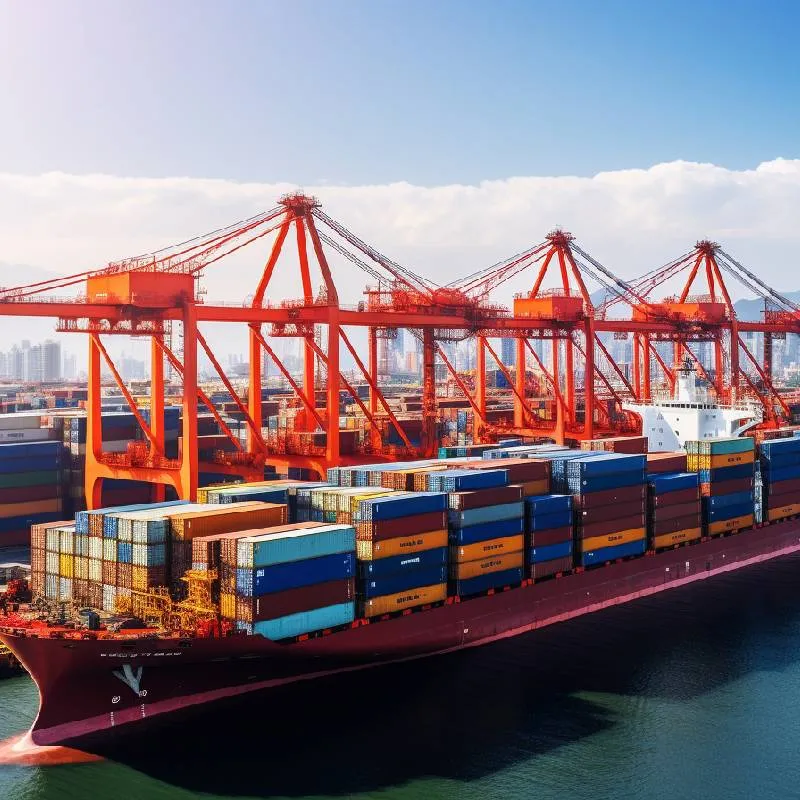
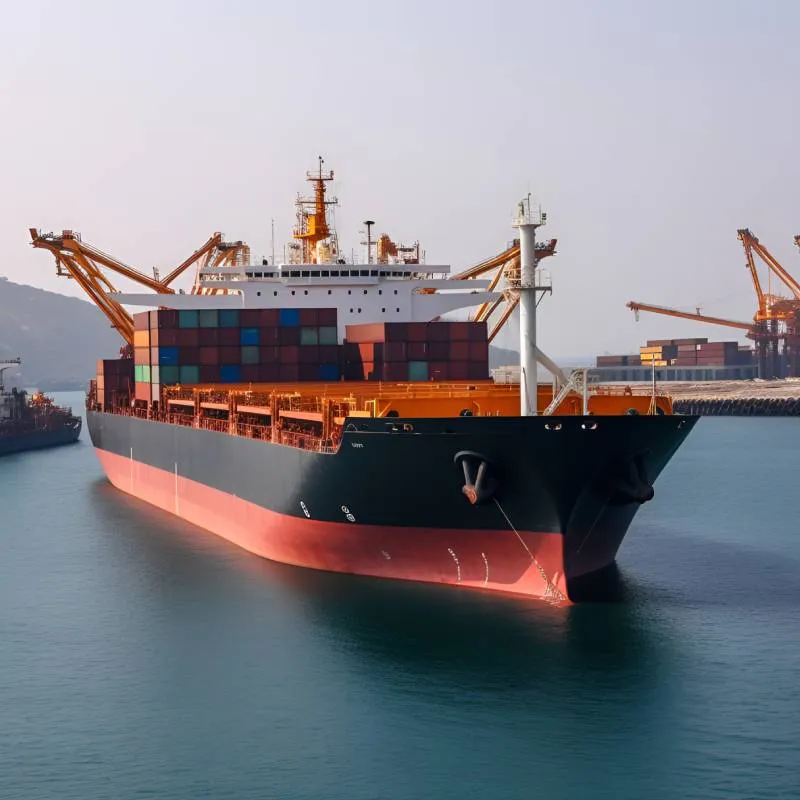
First, let’s get the basics out of the way: what kind of machinery are we talking about? The good news is that most commercial and industrial machinery fits into standard shipping containers, whether 20-foot, 40-foot, or high cube. This includes things like agricultural tractors, construction excavators, industrial pumps, manufacturing assembly lines, and even smaller equipment like printing presses or packaging machinery. The key here is measuring your machinery properly—not just its length and width, but also its height and weight, because container capacity varies, and Croatia has strict road and port regulations for oversized cargo. For example, a standard 20-foot container typically has a loading capacity of around 28,000 kg, while a 40-foot container can hold up to 30,480 kg. If your machinery exceeds these limits, you might need a flat rack or open-top container, which are designed for larger or heavier items, but that’s a topic for another time.
Croatia, since joining the European Union in 2013, has aligned its customs and transportation rules with EU standards, which is a huge relief for businesses shipping from non-EU countries like China, the U.S., or Australia. That means no extra paperwork just for being a non-EU member state, as long as you follow the same rules as you would for shipping to Germany or France. But before we dive into Croatia specifics, it’s worth noting that we handle shipments all over Europe, and if you’re curious about routes to other nearby EU countries, you can check out our guides for shipping to neighbors like the Netherlands, Lithuania, Slovakia, or Finland—each has their own quirks, but many of the core shipping principles apply across the EU. For example, when shipping to any EU country, you’ll need a commercial invoice, packing list, and a bill of lading, and Croatia is no exception.
Now, let’s break down the process of shipping machinery to Croatia step by step, starting with preparation because this is where most people go wrong. First, you need to verify that your machinery is ready for international shipping. This means disconnecting any hazardous components—like fuel lines, batteries, hydraulic fluids, or propane tanks—unless the machinery is still operational for testing purposes. Croatian customs and port authorities are strict about flammable or toxic materials in containers, so any residual fluids must be drained properly, and often you’ll need a certificate from a licensed technician confirming that the machinery is safe for transport. For example, a farm tractor shipped from a factory in Italy to Split port would need to have its fuel tank emptied within 50 km of loading, and the technician’s certificate must be included with the shipping documents.
Next, choosing the right container and securing your machinery. This is non-negotiable for heavy or high-value equipment. Even a small shift during transit can cause thousands of dollars in damage, not to mention delays at Croatian ports like Zagreb, Split, or Rijeka. For example, last year we had a client who shipped a 15,000 kg industrial printing press in a standard 40-foot container and didn’t secure it properly. The press shifted during the crossing from Greece to Croatia, damaging the container wall and the press itself, which cost them over $10,000 in repairs and a 2-week delay in delivery. To avoid this, we recommend using steel strapping, wooden crating if the machinery has delicate parts, and foam padding for any fragile components. For very large machinery that can’t fit inside a standard container, a flat rack is the way to go, but again, we can walk you through that if your equipment is on the bigger side.
Once your machinery is prepped and secured, it’s time to handle the documentation. This is arguably the most important part, because missing or incorrect paperwork is the number one cause of shipping delays to Croatia. Let’s list out the essential documents you’ll need: a commercial invoice that details the value of the machinery, the manufacturer, and a clear description (avoid vague terms like “industrial equipment”); a packing list that breaks down every item in the container, including the machinery and any accessories like tools or spare parts; a bill of lading, which is your receipt for the shipment and proof of ownership; a customs declaration form, and if your machinery is new, a certificate of origin to prove where it was made, which is needed to calculate import duties and taxes.
Speaking of duties and taxes, Croatia is part of the EU’s customs union, so imports from outside the EU are subject to VAT (value-added tax) and import duties, similar to other EU countries. The current standard VAT rate in Croatia is 25%, though some machinery used in agriculture or manufacturing may qualify for a reduced rate of 13%. Import duties vary depending on the type of machinery, its value, and its country of origin. For example, machinery from China is often subject to MFN (most favored nation) rates, which are lower than non-MFN rates, but there may be additional tariffs on certain types of industrial equipment. The good news is that we work with local customs brokers in Croatia who can help you navigate these rates and ensure you’re not overpaying, which is why many of our clients choose us over general freight forwarders—we specialize in container shipping to Europe, so we know the ins and outs of Croatia’s specific duty rules, unlike some brokers who handle a wide range of countries.
Now, let’s talk about the shipping routes to Croatia, because that affects both cost and delivery time. Most container shipments to Croatia come through one of three main ports: Rijeka, Split, or Koper (which is in neighboring Slovenia, but often used for Croatian shipments because it has larger facilities). From there, containers are transported by road or rail to their final destination in Croatia, whether that’s Zagreb, Osijek, or a small agricultural town in Istria. Delivery time varies depending on where you’re shipping from, but from major Asian ports like Shanghai or Ningbo, it’s typically 35 to 45 days to arrive at a Croatian port, plus 3 to 7 days for customs clearance and inland transport. If you’re shipping from within Europe, like Germany or Italy, delivery time is much faster—usually 7 to 14 days.
If you’re comparing Croatia to other European destinations, it’s helpful to look at our experience with nearby countries. For example, shipping to Austria is a common alternative if your machinery needs to go further west in Europe, and we have a dedicated route for that that leverages our relationships with rail and road carriers to keep costs low. For clients shipping around the region, we also cover countries like the Netherlands, Lithuania, Slovakia, and Finland, all with tailored routes that adjust for each country’s port and customs specifics. This network means we can offer consistent, reliable service no matter where in Europe you need to ship, but our focus on Croatia means we have specialized knowledge that makes the process smoother for our clients.
Another thing to consider is insurance. Machinery is often high-value, so standard ocean freight insurance is a must, but not all policies cover the same things. When shipping to Croatia, we recommend getting “all risk” insurance, which covers damage from accidents, weather, theft, and even delayed delivery. Basic insurance only covers damage to the container itself, which won’t help if your machinery is damaged inside from shifting or a port accident. We can provide competitive insurance quotes as part of our service, and since we work exclusively with European insurance providers, we know which ones offer the best coverage for heavy machinery shipments to Croatia.
Let’s address a common misconception: many people think that because Croatia is a relatively small country, shipping large machinery in a container is more complicated than shipping to larger EU countries like Germany. But that’s not the case—Croatia has invested heavily in its port infrastructure over the past decade, and Rijeka is now one of the busiest ports in Southeast Europe, with direct routes to major ports in Asia, the Middle East, and the Americas. That means you don’t have to rely on multiple transfers, which reduces the risk of damage and delays. For example, we regularly ship construction machinery from Shanghai to Rijeka in 38 days, with no transfers, and customs clearance in Zagreb takes just 2 to 3 days on average, compared to up to a week for some other European ports.
If you’re shipping used machinery, there are a few extra rules to keep in mind. Croatian customs has strict regulations about used equipment to prevent the import of non-sanitized or unsafe machinery, especially agricultural machinery that could carry pests or diseases. You’ll need to provide a detailed inspection certificate from a certified technician stating that the machinery is in good working condition and free of pests like wood borers or other invasive species. This is not just a Croatia-specific rule—it’s required for all used machinery imported into the EU—but it’s especially important because Croatian customs is strict about enforcing these rules for rural shipments, which make up a large portion of our machinery deliveries to the country.
Now, let’s talk about costs, because that’s a big factor for any business. The cost of shipping machinery in a container to Croatia depends on several factors: the size and weight of the machinery, the type of container, the shipping route, the value of the machinery, and any additional services like crating or customs brokerage. As a rough estimate, shipping a 10,000 kg agricultural tractor from Shanghai to Zagreb in a 40-foot high cube container would cost between $3,500 and $5,000, including ocean freight, inland transport, and basic customs services. Compare that to shipping to other European countries—for example, shipping a similar tractor to the Netherlands would cost around $3,000, and to Finland around $4,200, so Croatia’s costs are competitive with other EU destinations, especially when you factor in our local expertise that prevents extra fees.
It’s important to get a detailed, transparent quote upfront, which is what we provide to all our potential clients. We don’t have hidden fees, so you’ll know exactly what you’re paying for before you book, which is a big difference from some freight forwarders who add on unexpected charges for customs delays or container handling. For example, if you book with us, our quote includes everything from loading the container at the origin port to delivering it to your Croatian facility, including customs clearance fees, so there are no last-minute surprises.
Let me share a real client story to illustrate how this works in practice. A few months ago, a small manufacturing company in Germany needed to ship a 20,000 kg metal stamping machine to a new factory in Split, Croatia. They initially tried using a general freight forwarder who didn’t specialize in Europe, and the quote they got was over $6,000, with no guarantee of delivery on time. They switched to us, and we were able to ship the machine in a 40-foot high cube container, with proper securing and documentation, for $4,800, and delivery was on schedule in 40 days. The key was our local customs broker in Split who knew exactly what documents were needed, and our long-term relationship with the carrier that gave us priority loading, avoiding delays that the general forwarder would have encountered.
Now, if you’re ready to ship machinery to Croatia, or you’re still researching your options, here’s a quick checklist to make sure you’re prepared:
- Measure your machinery (length, width, height, weight) to confirm it fits in a standard container, or if you need a flat rack or open-top.
- Disconnect hazardous components and get a technician’s certificate for safety.
- Gather all required documents: commercial invoice, packing list, bill of lading, customs declaration, and (if applicable) certificate of origin and used equipment inspection certificate.
- Choose a provider that specializes in shipping containers to Croatia, like our team, to leverage local expertise and avoid delays.
- Purchase all-risk insurance to protect your high-value machinery.
If you’re considering shipping to other EU countries for comparison, we also have tailored services for destinations like Austria, the Netherlands, Lithuania, Slovakia, and Finland, all with the same transparent, reliable approach we offer for Croatia. Each of these countries has unique rules, but our network across Europe means we can adapt to your needs, whether you’re shipping a single machine or a full load of industrial equipment.
The bottom line is that yes, you can absolutely ship machinery in a container to Croatia, but success depends on working with a provider who understands the country’s specific rules, has experience handling heavy or specialized equipment, and can guide you through every step of the process. At the end of the day, the goal is to get your machinery to its destination on time, in good condition, and without unexpected costs or delays. That’s why we focus on building long-term relationships with our clients—we don’t just handle one shipment; we become your go-to partner for all your container shipping needs to Europe, including Croatia.
If you’re ready to discuss your specific machinery shipment to Croatia, or you have questions about routes, pricing, or documentation, we’re here to help. We can provide a custom quote tailored to your equipment and delivery needs, and walk you through every part of the process to make sure it’s as smooth as possible. Don’t let uncertainty about shipping hold your business back—reach out today to start planning your shipment.
References:
European Commission. (2024). Customs and import rules for the EU. Retrieved from ec.europa.eu/taxation_customs/business/calculation-customs-duties/import-rules_en
Croatian Customs Administration. (2024). Import of machinery and equipment. Retrieved from carina.gov.hr
International Maritime Organization. (2023). Safe transport of heavy machinery in containers. Retrieved from imo.org
Port of Rijeka Authority. (2024). Container shipping services. Retrieved from port-of-rijeka.hr