

If you’ve ever shipped anything from China to Cyprus, odds are you’ve stayed up at least once refreshing a tracking page, wondering where your package actually is. As someone who runs a Shipping From China To Cyprus operation, I get it—waiting for goods (whether that’s small retail items, industrial machinery, or even perishable goods) is stressful, and not knowing your shipment’s location makes it way worse. Let’s break down how tracking works for these routes, what might slow things down, and how you can actually follow your cargo every step of the way.
First off, let’s talk about why tracking isn’t always straightforward. Shipping from China to Cyprus means your goods are moving through at least three separate systems: China’s domestic courier network, the international freight forwarder’s platform, and Cyprus’s local postal or delivery service. Each of these has its own tracking codes, and sometimes updates take time to sync—especially if you’re using sea freight, which is way more common for larger shipments than air freight. That’s where a lot of my past clients get confused; they’ll check a China post tracking page and see no updates for a week, only to find the same shipment is already sitting in a Cyprus port.
Let’s start with the different tracking methods you can use. The most common one for small parcels is individual courier tracking. If you’re sending a small item like a phone case or a batch of accessories, couriers like DHL, FedEx, or SF Express will give you a unique tracking number that works from the moment it’s picked up in China until it’s on your doorstep in Cyprus. I’ve had clients swear by SF Express for small stuff because their updates are super frequent—you’ll get a text or email when it leaves Shanghai, arrives in Larnaca, and is out for delivery. But if you’re shipping a 20-foot or 40-foot container (the kind most businesses use for bulk goods), individual courier tracking won’t cut it. You’ll need a freight forwarding tracking system, which is where my team and other providers like us come in.
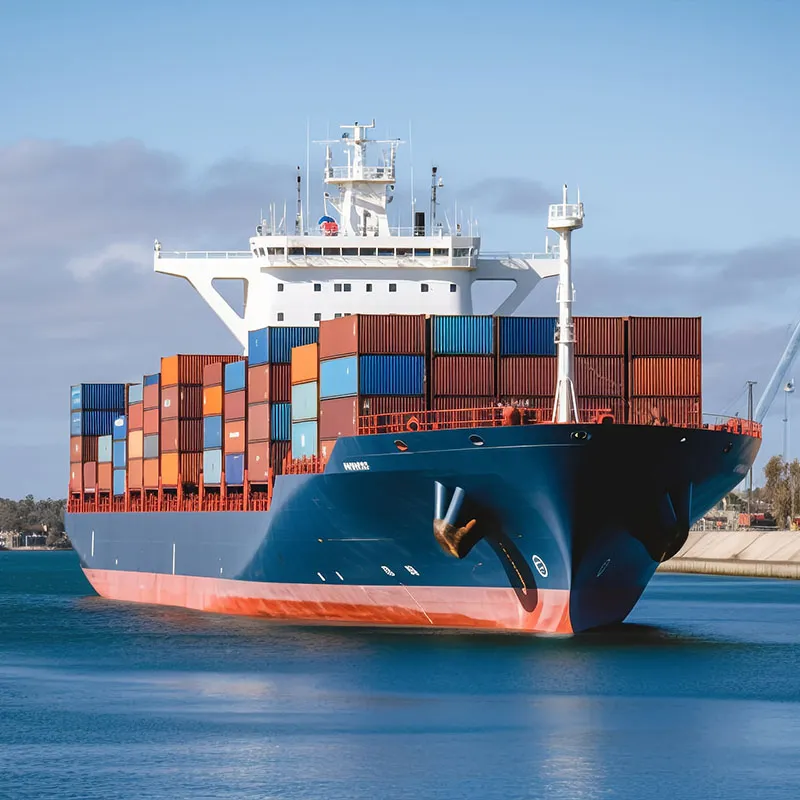
Here’s the thing about sea freight tracking to Cyprus: it relies on carrier and port data. Major ocean carriers that sail from Chinese ports (like Shanghai, Ningbo, or Shenzhen) to Cyprus’s main port in Larnaca post their vessel schedules and cargo status on their own platforms. But those platforms can be a bit jargon-heavy for someone who’s not familiar with shipping terms. For example, you might see “ETA Larnaca: 10th Oct” and wonder if that’s the exact day it’ll be delivered, when really ETA is just when the ship is scheduled to arrive at the port, not when it’s in your hands. That’s why working with a local provider who specializes in routes to Cyprus (instead of a general forwarder) makes a huge difference—we cut through that jargon and give you plain-language updates.
I should also mention that tracking for less common routes works the same way, just to give you an idea of how consistent this process is across Europe. For example, if you were shipping to Lithuania instead of Cyprus, you’d use similar carrier and freight forwarding systems, and you can check out how that works on our Shipping From China To Lithuania page. Same goes for other European destinations like France, Poland, Bulgaria, or Malta—we handle all of those too, with the same tracking transparency we use for Cyprus, so if you expand your business to those markets later, you already know how it works.
Now, let’s talk about common pitfalls that make tracking feel broken. One big one is customs delays. Cyprus is part of the EU, so goods from China have to go through EU customs at the Larnaca port, and sometimes that process takes longer than expected—especially if your paperwork (like commercial invoices or customs declarations) isn’t filled out correctly. When customs is holding your shipment, the tracking might not update for a few days because the forwarder’s system only gets updated once they’ve cleared goods. That’s where our team steps in; we monitor customs status in real time and notify you right away if there’s a hold, instead of making you guess.
Another pitfall is when you use a third-party aggregator for tracking. Those sites that let you enter multiple tracking numbers at once might be convenient, but they often don’t pull data directly from the carrier or port—they scrape it, which means updates are delayed or missing. I tell all my Cyprus clients to skip those and use either the carrier’s official site or our custom tracking portal. Our portal is built specifically for shipments to Cyprus, so it’s set up to pull data from the Chinese ports, the vessels, and Cyprus’s local delivery service all in one place—no switching between 5 different pages.
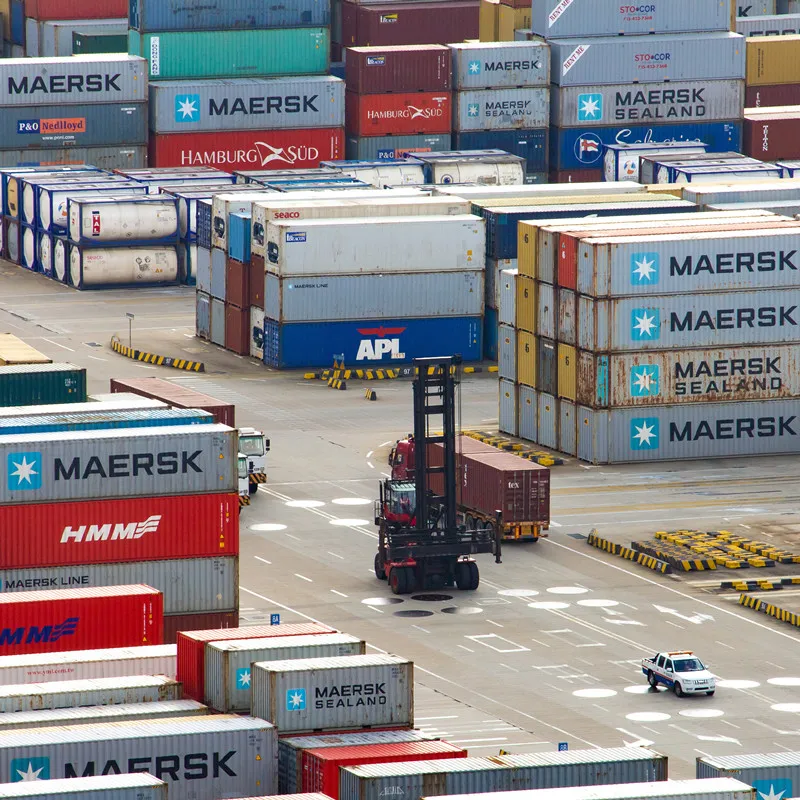
Wait, let’s clarify what kind of tracking you can expect for different shipment sizes, because that’s a big difference between small packages and bulk containers. For small parcels (under 30kg, for example), you’ll get updates at every milestone: picked up in China, departed China, arrived in Europe, cleared customs, out for delivery, delivered. For bulk sea freight, the tracking milestones are less frequent but still clear: empty container picked up from your factory in China, loaded onto vessel, vessel departed port, vessel arrived at Larnaca port, container cleared customs, container delivered to your warehouse in Cyprus. Even with sea freight, you don’t have to wait weeks for a status update—our team checks the vessel’s GPS every 2 days and sends you a quick note if anything is on schedule or slightly off.
What about air freight? Air freight is faster (usually 5-7 days from China to Cyprus) and has more frequent tracking updates, similar to small parcels. It’s great for time-sensitive goods like perishable food or urgent parts for machinery. I always explain to clients that air freight tracking is more real-time because the goods are moving on commercial passenger or cargo planes, so their status is updated every few hours, while sea freight is more like checking in on a car trip across Europe—you get a daily or every-other-day update, which is enough for planning your warehouse space in Cyprus.
Now, let’s talk about how to get the best tracking experience. First, use the right provider. If you’re a small business shipping 1-2 parcels a month, use a reputable courier with direct service to Cyprus, like DHL or SF Express. If you’re a larger business shipping containers, use a forwarder that specializes in Shipping From China To Cyprus—someone who has established relationships with carriers and local delivery partners in Cyprus, so they can get you accurate updates. Second, make sure you have the correct tracking number. For couriers, it’s a 10-12 digit number. For sea freight, it’s often a B/L (Bill of Lading) number, which is longer and sometimes has letters mixed in—if you mix up B/L numbers with container numbers, you’ll get the wrong tracking info. Third, turn on notifications. Most couriers and forwarders (including us) send text, email, or app alerts for every tracking update, so you don’t have to remember to check the page.
I’ve had tons of clients come to me frustrated because their previous forwarder only gave them a vague “in transit” update once a week. That’s not how we do things. For example, last quarter we had a client who shipped a container of furniture from Guangzhou to Limassol (another major port in Cyprus, by the way). They checked a generic carrier site and only saw “vessel departed Shanghai” for 10 days, but our tracking portal showed that the vessel had actually arrived at Limassol, cleared customs, and was waiting to be delivered to their warehouse in Nicosia. We sent them a push notification, and they were able to rearrange their warehouse staff to unload the container that same day—no last-minute scrambles.
It’s also worth noting that tracking standards are pretty consistent across similar European routes, so if you ever need to ship to another EU country down the line, you’ll have a similar process. For example, if you go for a container to France, you can check our Shipping Container To France page to see how tracking works there, and it’ll be almost identical to what we do for Cyprus. Same with Shipping Container From China To Poland, Shipping Container From China To Bulgaria, or Shipping Container From China To Malta—we build our systems to be reliable no matter the EU destination, so Cyprus is just one of many we handle with care.
Let’s address a common myth: “If you can’t track it 24/7, your shipment is lost.” No, that’s not true. Sea freight vessels have limited GPS updates—they don’t ping every hour, because that’s unnecessary for a 20-day trip across the Mediterranean. A “no update” for 2-3 days on sea freight doesn’t mean your goods are missing; it just means the carrier hasn’t uploaded the next status yet. Our team checks the vessel’s schedule daily, so if there’s a delay (like bad weather in the Mediterranean or a port backlog in Larnaca), we’ll tell you before the tracking page does. That’s the value of working with a local provider instead of a big, impersonal carrier—we’re on top of the details for your specific shipment.
What if you do think your shipment is lost? First, double-check the tracking number to make sure you didn’t get it wrong. Sometimes forwarders will send a B/L number that’s not active yet, so it’ll show as “no results” for the first 24 hours. If the tracking still doesn’t update after that, reach out to your provider (or our team, if you’re using us). We can file a tracer with the carrier within 48 hours, which means we’ll officially ask them to locate your shipment. I’ve only had a handful of clients deal with lost shipments in the 5 years I’ve been in this business, and every time it’s been a small parcel that was mislabeled, but the tracer process worked to get it located quickly.
At the end of the day, being able to track your shipment from China to Cyprus is totally possible—you just have to use the right tools and the right partner. Generic tracking pages and big carriers often leave gaps, but a provider that specializes in this exact route will give you clear, frequent updates so you can plan for when your goods arrive. Whether you’re shipping small e-commerce parcels or bulk industrial containers, tracking doesn’t have to be a guessing game. If you’re ready to set up a shipment to Cyprus and want to get set up with reliable tracking, feel free to reach out to our team to chat through your needs—we’ll walk you through every step, from booking the shipment to getting real-time updates along the way.
References
- International Chamber of Commerce. (2023). Incoterms 2020: Guidelines for Shipment Tracking and Customs Procedures.
- Cyprus Port Authority. (2024). Larnaca and Limassol Port Cargo Tracking Protocols.
- International Air Transport Association. (2023). Air Freight Tracking Standards for EU Cargo.
- European Commission. (2024). Customs Clearance Procedures for Non-EU Goods Entering Cyprus.