

As a supplier specializing in shipping containers to Europe, I've encountered numerous challenges and learned valuable lessons in the process of handling customs clearance. In this blog, I'll share my experiences and insights on how to navigate the complex customs clearance procedures for containers shipped to Europe.
Understanding the Basics of European Customs Clearance
European customs clearance is a crucial step in the shipping process that ensures compliance with the regulations of the European Union (EU). When shipping a container to Europe, it's essential to understand the basic requirements and procedures involved.
First and foremost, you need to have a clear understanding of the Harmonized System (HS) codes. These codes are used to classify goods for customs purposes and determine the applicable duties and taxes. It's important to accurately classify your goods to avoid any delays or penalties during customs clearance.
You'll also need to prepare a set of documents for customs clearance. These typically include a commercial invoice, packing list, bill of lading, and a certificate of origin. The commercial invoice should provide detailed information about the goods, including their description, quantity, value, and origin. The packing list should list the contents of each package in the container, while the bill of lading serves as a receipt for the goods and a contract of carriage. The certificate of origin is used to determine the country of origin of the goods and may affect the applicable duties and taxes.
Preparing for Customs Clearance
Once you have a good understanding of the basic requirements, it's time to start preparing for customs clearance. The first step is to choose a reliable customs broker. A customs broker is a licensed professional who can help you navigate the customs clearance process, handle the necessary paperwork, and ensure compliance with all applicable regulations.
When selecting a customs broker, look for one with experience in handling shipments to Europe and a good reputation in the industry. You can ask for recommendations from other shippers or check online reviews to find a reputable broker.
Next, you need to ensure that your goods are properly packaged and labeled. The packaging should be sturdy enough to protect the goods during transit and should be labeled with the necessary information, such as the HS code, description of the goods, and country of origin. This will help the customs authorities quickly identify and classify the goods.
You should also make sure that your goods comply with all relevant European regulations. This may include safety standards, environmental regulations, and labeling requirements. For example, certain products may require specific certifications or markings to be sold in the EU.
Submitting the Customs Declaration
Once you have everything in place, it's time to submit the customs declaration. The customs declaration is a document that provides detailed information about the goods being shipped, including their value, quantity, and origin. It's used by the customs authorities to calculate the applicable duties and taxes and to determine whether the goods are subject to any restrictions or prohibitions.
The customs declaration can be submitted electronically through the European Union's customs information system, known as the New Computerized Transit System (NCTS). This system allows for faster and more efficient processing of customs declarations and reduces the risk of errors.
When submitting the customs declaration, make sure to provide accurate and complete information. Any discrepancies or errors in the declaration can lead to delays or penalties during customs clearance. It's also important to keep a copy of the customs declaration for your records.
Paying Duties and Taxes
After the customs declaration has been submitted and approved, you'll need to pay the applicable duties and taxes. The amount of duties and taxes will depend on several factors, including the value of the goods, their HS code, and the country of origin.
In most cases, the duties and taxes can be paid electronically through the customs authorities' online payment system. You'll need to provide your bank account information and the amount of the payment. Once the payment has been processed, you'll receive a confirmation from the customs authorities.
It's important to note that the duties and taxes are typically paid by the importer, but as the supplier, you can assist the importer in understanding the costs and ensuring that the payment is made on time.
Dealing with Customs Inspections
In some cases, the customs authorities may conduct an inspection of your container. This can happen for a variety of reasons, such as random selection, suspicion of non-compliance, or to verify the accuracy of the customs declaration.
If your container is selected for inspection, the customs authorities will notify you and provide instructions on how to proceed. You'll need to arrange for the container to be made available for inspection at a designated location.
During the inspection, the customs authorities will examine the goods in the container to ensure that they match the information provided in the customs declaration. They may also check for any prohibited or restricted items, such as weapons, drugs, or counterfeit goods.
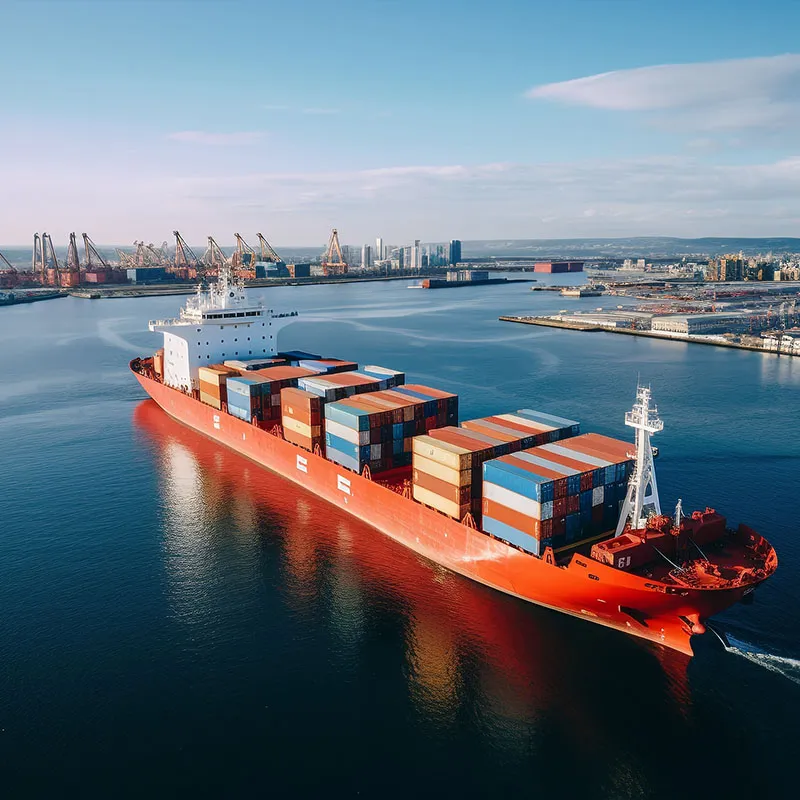
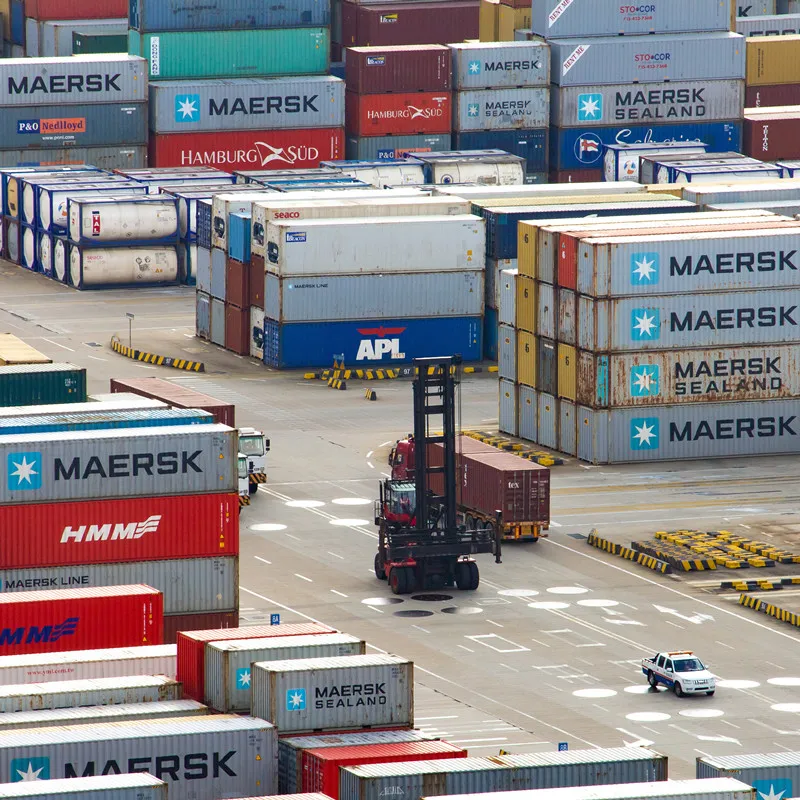
If the inspection reveals any issues or discrepancies, the customs authorities may take further action, such as seizing the goods, imposing penalties, or requiring additional documentation. It's important to cooperate fully with the customs authorities and provide any requested information or documentation to resolve the issue as quickly as possible.
Special Considerations for Different European Countries
It's important to note that the customs clearance process may vary slightly from country to country within the European Union. Some countries may have additional requirements or procedures that you need to be aware of.
For example, if you're shipping a container to Germany, you may need to comply with specific German regulations and procedures. You can find more information about shipping containers from China to Germany on this Shipping Container From China To Germany page.
Similarly, if you're shipping to Poland, there may be unique Polish customs requirements. Check out this Shipping Container From China To Poland link for more details.
And for shipments to Slovakia, you should be aware of the Slovakian customs regulations. You can learn more about Shipping From China To Slovakia on the provided page.
Conclusion
Handling customs clearance for a container shipped to Europe can be a complex and challenging process, but with the right preparation and knowledge, you can navigate it successfully. By understanding the basic requirements, choosing a reliable customs broker, preparing the necessary documentation, and ensuring compliance with all applicable regulations, you can minimize the risk of delays and ensure a smooth and efficient customs clearance process.
If you're interested in shipping containers to Europe and need assistance with customs clearance or any other aspect of the shipping process, I'd be happy to discuss your needs and provide you with a customized solution. Feel free to reach out to me to start a conversation about your procurement requirements.
References
- European Union Customs Code
- International Chamber of Commerce (ICC) Incoterms
- World Customs Organization (WCO) Harmonized System