

Handling returns in a DDP (Delivered Duty Paid) shipment from China to the USA can be a bit of a headache, but it's definitely doable. As a DDP from China to USA supplier, I've had my fair share of dealing with return situations, and I'm here to share some insights on how to manage them smoothly.
Understanding DDP and Returns
First off, let's quickly go over what DDP means. When you're shipping DDP from China to the USA, you're basically taking on all the responsibilities until the goods reach the buyer's doorstep. This includes shipping, customs clearance, and paying all the duties and taxes. It's a great option for buyers as they don't have to worry about any of the logistics or unexpected fees.
But when it comes to returns, things can get a bit tricky. There are several reasons why a customer might want to return a product. It could be that the product is damaged, doesn't match the description, or they simply changed their mind. As the supplier, you need to have a clear return policy in place to handle these situations.
Setting Up a Return Policy
A well - defined return policy is the first step in handling returns effectively. Your return policy should be clear, easy to understand, and prominently displayed on your website. Here are some key points to include:
- Return Timeframe: Specify how long the customer has to return the product. A common timeframe is 30 days from the date of delivery, but you can adjust this based on your business needs.
- Condition of the Product: State that the product must be in its original condition, with all tags and packaging intact. This helps prevent customers from returning used or damaged items.
- Return Shipping Costs: Decide who will be responsible for the return shipping costs. In some cases, you may offer free return shipping to keep your customers happy. However, if the return is due to the customer changing their mind, you might want to have them cover the shipping.
The Return Process
Once a customer requests a return, here's how you can handle it:
- Receive the Return Request: When a customer contacts you about a return, respond promptly. Thank them for reaching out and ask for details such as the order number, reason for the return, and photos of the product if it's damaged.
- Issue a Return Authorization: If the return request meets your policy criteria, issue a return authorization (RA) number. This number helps you track the return and ensures that the customer follows the correct process.
- Provide Return Instructions: Send the customer clear instructions on how to return the product. Include the shipping address, any special packaging requirements, and how to include the RA number on the package.
- Track the Return Shipment: Once the customer has shipped the product back, track the shipment to ensure it arrives safely. You can use the tracking number provided by the shipping carrier.
- Receive and Inspect the Product: When the product arrives, inspect it to make sure it meets your return policy requirements. If it does, process the refund or exchange as promised.
Dealing with Customs on Returns
One of the biggest challenges in DDP returns from China to the USA is dealing with customs. When the product is being shipped back, it needs to go through customs clearance again. Here are some tips to make this process smoother:
- Keep Documentation Organized: Make sure you have all the necessary documentation for the return shipment, including the original invoice, packing list, and the RA number.
- Understand Customs Regulations: Familiarize yourself with the customs regulations for returns. Some items may be subject to different rules or additional fees when being returned.
- Communicate with Customs Brokers: If you're using a customs broker, keep them informed about the return shipment. They can help you navigate the customs process and ensure that everything goes smoothly.
Cost Considerations
Returns can be costly for your business. In addition to the return shipping costs, you may also have to pay for the original shipping, customs duties, and any restocking fees. To minimize these costs, you can:
- Optimize Your Packaging: Use strong and durable packaging to reduce the risk of damage during shipping. This can help prevent returns due to damaged products.
- Improve Product Descriptions: Make sure your product descriptions are accurate and detailed. This can help reduce the number of returns due to products not matching the description.
- Negotiate Shipping Rates: Work with your shipping carrier to negotiate better rates for both outgoing and return shipments.
Comparing with Other DDP Routes
If you're also involved in Shipping DDP to Europe or DDP From China to UK, you'll find that the return processes have some similarities and differences.

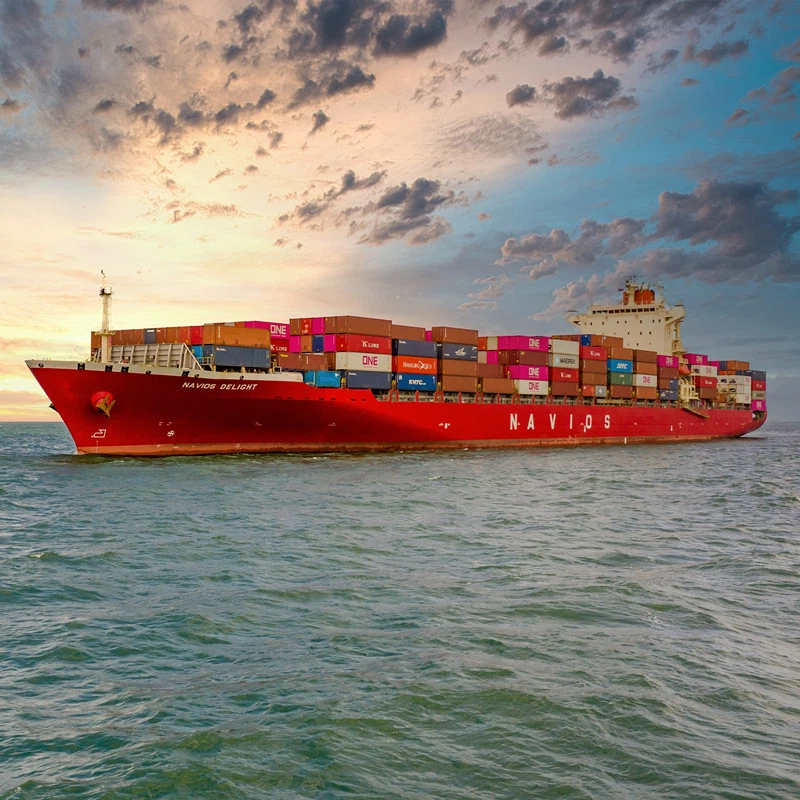
In Europe, customs regulations can vary from country to country, just like in the USA. However, the European Union has some common rules regarding consumer rights and returns. For example, consumers in the EU generally have the right to a 14 - day cooling - off period for online purchases.
When it comes to DDP From China to USA, the focus is more on the strict customs regulations and the long - distance shipping aspect. The return process needs to be carefully managed to ensure that both you and the customer are satisfied.
Conclusion and Call to Action
Handling returns in a DDP shipment from China to the USA can be complex, but with a well - defined policy and a clear process, you can minimize the hassle and keep your customers happy. Remember, a positive return experience can actually improve customer loyalty in the long run.
If you're looking for a reliable DDP from China to USA supplier, I'd love to talk to you. Whether you have questions about our products, our return policy, or anything else, feel free to reach out and start a procurement discussion. I'm here to help you get the best value for your money and ensure a smooth shipping experience.
References
- International Chamber of Commerce. Incoterms 2020.
- U.S. Customs and Border Protection. Official website for customs regulations.
- European Commission. Consumer rights and return policies in the EU.