

Hey there! I'm a supplier in the sea freight business, specializing in shipping goods from China to Europe. Sea freight is a huge part of global trade, but it's not without its environmental impacts. In this blog, I'll break down the key environmental issues related to sea freight from China to Europe and what we can do about them.
Greenhouse Gas Emissions
One of the biggest environmental concerns with sea freight is greenhouse gas emissions. Ships burn heavy fuel oil, which releases a significant amount of carbon dioxide (CO2), sulfur oxides (SOx), and nitrogen oxides (NOx) into the atmosphere. These emissions contribute to climate change, acid rain, and air pollution.
According to the International Maritime Organization (IMO), international shipping accounts for about 2.2% of global CO2 emissions. That might not sound like a lot, but it's still a significant amount considering the volume of goods transported by sea. When shipping from China to Europe, the long distances involved mean that ships burn a lot of fuel, resulting in high emissions.
To put it into perspective, a large container ship can emit as much sulfur dioxide in a day as a million cars. And with the increasing demand for goods from China, the volume of sea freight is only going to grow, which means more emissions.
Air Pollution
In addition to greenhouse gases, sea freight also contributes to air pollution. The burning of heavy fuel oil releases particulate matter (PM), which can have serious health effects on humans. PM can cause respiratory problems, heart disease, and even cancer.
When ships dock at ports in Europe, the emissions from their engines can have a significant impact on local air quality. Ports are often located in urban areas, so the pollution can affect a large number of people. For example, in some European cities, the air quality near ports is often worse than in other parts of the city.
Water Pollution
Sea freight can also have a negative impact on water quality. Ships generate a lot of waste, including sewage, garbage, and oil spills. When these wastes are not properly managed, they can contaminate the ocean and harm marine life.
Oil spills are one of the most serious environmental disasters associated with sea freight. A single large oil spill can have a devastating impact on the ecosystem, killing fish, birds, and other marine animals. Even small oil spills can have long-term effects on the environment, as the oil can persist in the water for years.
In addition to oil spills, ships also release ballast water, which can contain invasive species. These species can outcompete native species, disrupt the ecosystem, and cause economic damage.
Noise Pollution
Another environmental impact of sea freight is noise pollution. Ships generate a lot of noise, especially when they are in port or maneuvering. The noise can have a negative impact on marine life, especially whales and dolphins, which rely on sound for communication and navigation.
The constant noise from ships can disrupt the behavior of these animals, causing them to change their migration patterns, feeding habits, and breeding behavior. In some cases, the noise can even cause physical damage to their ears, leading to hearing loss.
What Can We Do?
So, what can we do to reduce the environmental impacts of sea freight from China to Europe? Here are some solutions:
Use Cleaner Fuels
One of the most effective ways to reduce emissions is to use cleaner fuels. For example, ships can switch from heavy fuel oil to liquefied natural gas (LNG), which produces fewer emissions. LNG is a cleaner-burning fuel that emits less CO2, SOx, and NOx than heavy fuel oil.
In addition to LNG, there are also other alternative fuels being developed, such as hydrogen and biofuels. These fuels have the potential to significantly reduce emissions and make sea freight more sustainable.

Improve Ship Design
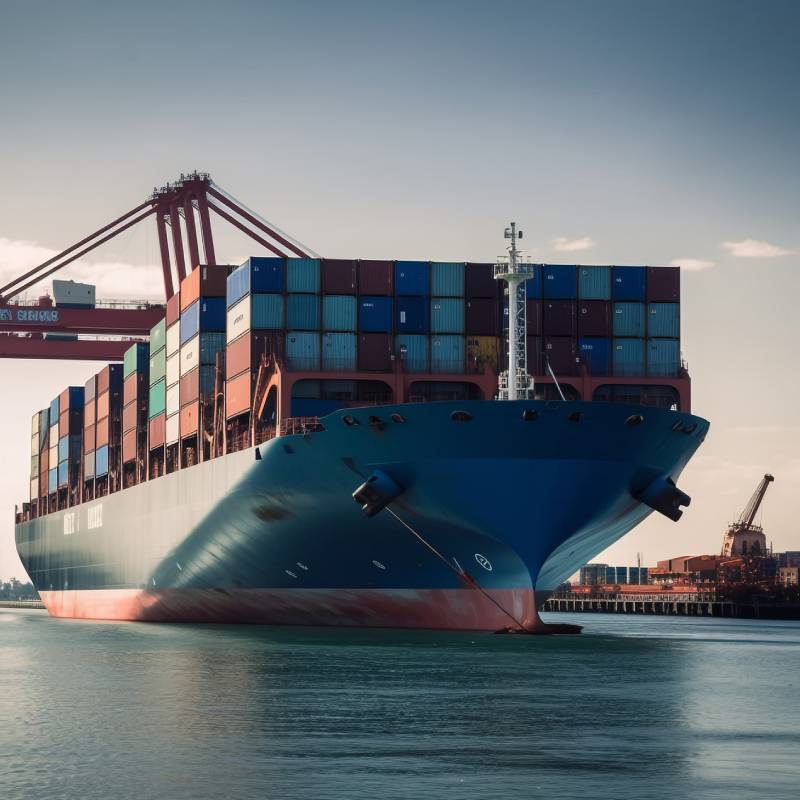
Another way to reduce emissions is to improve ship design. Newer ships are being designed to be more fuel-efficient, with features such as better hull shapes, more efficient engines, and advanced propulsion systems. These improvements can reduce fuel consumption and emissions by up to 30%.
In addition to improving fuel efficiency, ship design can also be optimized to reduce noise pollution. For example, ships can be designed with quieter engines and hulls that reduce the amount of noise generated.
Implement Regulations
Governments and international organizations can play a role in reducing the environmental impacts of sea freight by implementing regulations. For example, the IMO has set standards for emissions from ships, including limits on sulfur and nitrogen oxides. These standards are being gradually tightened over time to encourage the use of cleaner fuels and technologies.
In addition to emissions standards, governments can also implement regulations to reduce water pollution and noise pollution. For example, they can require ships to properly manage their waste and ballast water, and limit the noise levels of ships in port.
Promote Sustainable Shipping Practices
Finally, we can all play a role in promoting sustainable shipping practices. As a supplier, I can encourage my customers to choose more sustainable shipping options, such as using smaller ships or consolidating shipments. I can also work with shipping companies to ensure that they are using the most environmentally friendly practices.
Consumers can also make a difference by choosing to buy products that are shipped sustainably. By supporting companies that are committed to reducing their environmental impact, we can send a message to the industry that sustainability is important.
Conclusion
Sea freight from China to Europe is an important part of global trade, but it also has significant environmental impacts. From greenhouse gas emissions to water pollution, the industry faces many challenges. However, by using cleaner fuels, improving ship design, implementing regulations, and promoting sustainable shipping practices, we can reduce these impacts and make sea freight more sustainable.
If you're interested in shipping goods from China to Europe, I'd love to talk to you about our sustainable shipping options. We're committed to reducing our environmental impact and providing our customers with the best possible service. Whether you're shipping to Shipping Container From China To Ireland, Shipping Container From China To Sweden, or Shipping Container From China To Denmark, we can help you find the most sustainable and cost-effective solution. Contact me today to start the conversation!
References
- International Maritime Organization (IMO). (2023). Fourth IMO Greenhouse Gas Study 2020.
- European Environment Agency (EEA). (2023). Shipping and the environment.
- World Wildlife Fund (WWF). (2023). Sustainable shipping.