

In the contemporary business landscape, the role of US parcel forwarding services has become increasingly significant, especially for companies engaged in international trade. As a provider of US parcel forwarding services, I am acutely aware of the environmental implications associated with our operations. In this blog post, I will delve into the environmental policies that our service adheres to, aiming to strike a balance between efficient logistics and sustainable practices.
Understanding the Environmental Impact of Parcel Forwarding
Parcel forwarding services, by nature, involve the movement of goods across vast distances, which inevitably contributes to carbon emissions and other environmental issues. The transportation of parcels via air, sea, or land requires energy, and the packaging materials used also generate waste. As the demand for international shipping continues to grow, it is crucial for forwarding services to address these environmental concerns.
One of the primary environmental impacts of parcel forwarding is greenhouse gas emissions. Air freight, in particular, is a major contributor to carbon dioxide emissions due to the high energy consumption of aircraft. Sea freight, while generally more energy - efficient than air freight, still emits significant amounts of pollutants. Additionally, the use of non - biodegradable packaging materials such as plastic bubble wrap and Styrofoam adds to the waste problem.
Our Environmental Policies
1. Mode of Transportation Optimization
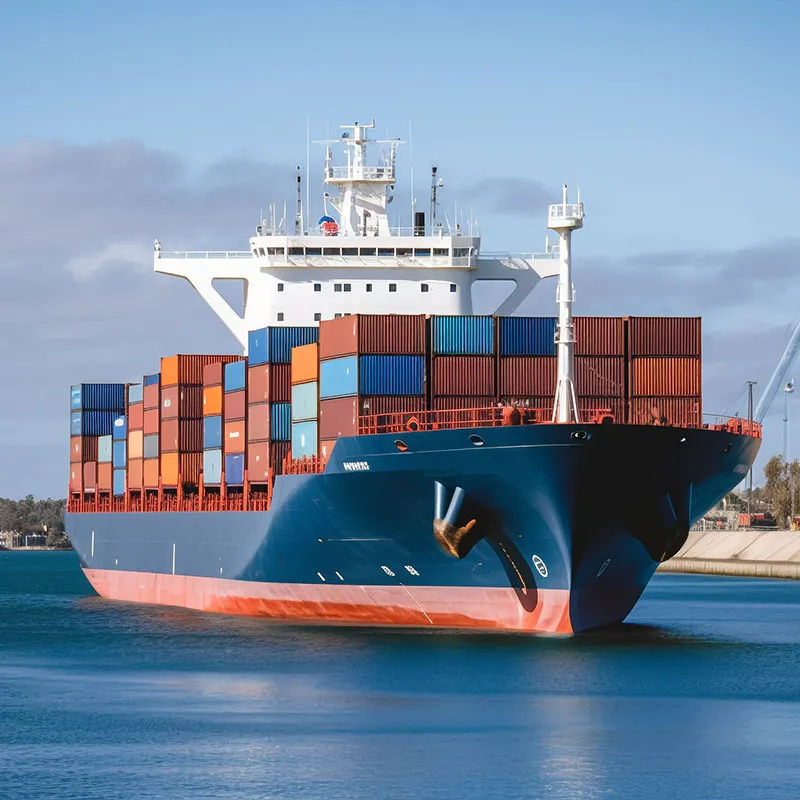
We are committed to optimizing the mode of transportation for each parcel. Whenever possible, we encourage our clients to choose sea freight over air freight for non - urgent shipments. Sea freight produces significantly fewer carbon emissions per ton - kilometer compared to air freight. For example, a large parcel shipped from China to the US via sea can save a substantial amount of carbon emissions compared to the same parcel sent by air. This not only benefits the environment but also provides cost - effective solutions for our clients. [Large Parcel To USA]( /china - to - usa - shipping/sea - shipping - from - china - to - usa/large - parcel - to - usa.html)
We also work closely with our transportation partners to ensure that the vehicles and vessels used are as fuel - efficient as possible. This includes promoting the use of newer models with advanced engine technologies and better aerodynamics, which can reduce fuel consumption and emissions.
2. Sustainable Packaging Solutions
Another important aspect of our environmental policy is the promotion of sustainable packaging. We offer our clients a range of eco - friendly packaging options, such as biodegradable packing peanuts made from starch, recycled cardboard boxes, and paper - based cushioning materials. These materials are not only better for the environment but also meet the necessary protection requirements for parcels.

In addition, we encourage our clients to reuse packaging materials whenever feasible. For example, if a client receives a parcel from us, we provide information on how they can repurpose the packaging for future shipments. By reducing the demand for new packaging materials, we can minimize the environmental impact associated with packaging production and disposal.
3. Carbon Offset Programs
To further mitigate our carbon footprint, we have implemented a carbon offset program. For every shipment we handle, we calculate the estimated carbon emissions based on the mode of transportation, distance, and weight of the parcel. We then invest in carbon offset projects, such as reforestation initiatives or renewable energy projects, to neutralize these emissions.

These projects help to absorb carbon dioxide from the atmosphere or reduce greenhouse gas emissions in other ways. By participating in carbon offset programs, we are taking responsibility for our environmental impact and contributing to global efforts to combat climate change.
4. Waste Management
Proper waste management is an integral part of our environmental policy. At our facilities, we have established a comprehensive waste management system. We separate different types of waste, such as paper, plastic, and metal, for recycling. Any non - recyclable waste is disposed of in an environmentally responsible manner.
We also work with our partners and clients to ensure that waste generated during the shipping process is managed effectively. For example, we encourage our partners to use reusable containers and pallets, which can significantly reduce waste generation.
Case Studies: Implementing Environmental Policies in Practice
Let's take a look at some real - life examples of how our environmental policies have been put into action.
A client wanted to ship a large quantity of perfume from China to the US. Instead of immediately opting for air freight, we discussed the option of sea freight with the client. Given that the perfume was not time - sensitive, the client agreed to use sea freight. By choosing sea freight, we were able to reduce the carbon emissions associated with the shipment by approximately 80% compared to air freight. [Perfume International Shipping]( /china - to - usa - shipping/sea - shipping - from - china - to - usa/perfume - international - shipping.html)
In another case, a client was shipping a large number of products from Hong Kong to the US. We provided the client with eco - friendly packaging options and educated them on the importance of sustainable packaging. The client decided to use recycled cardboard boxes and paper - based cushioning materials. This not only reduced the environmental impact but also gave the client a more positive brand image as a sustainable business. [Hong Kong Shipping To USA]( /china - to - usa - shipping/sea - shipping - from - china - to - usa/hong - kong - shipping - to - usa.html)
The Benefits of Our Environmental Policies
Our environmental policies bring several benefits, not only for the environment but also for our business and clients.
For the environment, our efforts in optimizing transportation, promoting sustainable packaging, participating in carbon offset programs, and effective waste management contribute to the reduction of greenhouse gas emissions and waste generation. This helps to protect the planet for future generations.
For our business, implementing environmental policies enhances our reputation as a responsible and sustainable service provider. It also helps us to comply with increasingly strict environmental regulations, which can reduce the risk of legal issues and fines.
For our clients, they can benefit from cost - savings by choosing more energy - efficient transportation options. Additionally, by using our eco - friendly services, they can enhance their own brand image as environmentally conscious businesses, which can be attractive to consumers who are increasingly concerned about sustainability.
Conclusion
As a US parcel forwarding service provider, we recognize the importance of environmental protection in our operations. Our environmental policies, including transportation optimization, sustainable packaging, carbon offset programs, and waste management, are designed to minimize our environmental impact while still providing high - quality and efficient services to our clients.
We believe that by working together with our clients and partners, we can make a significant contribution to environmental sustainability. If you are interested in our US parcel forwarding services and would like to learn more about how we can help you ship your parcels in an environmentally friendly way, please feel free to contact us for a detailed discussion and procurement negotiation.
References
- IPCC (Intergovernmental Panel on Climate Change). Climate Change 2021: The Physical Science Basis.
- International Maritime Organization. Guidelines for the Reduction of Greenhouse Gas Emissions from Ships.
- United States Environmental Protection Agency. Waste Reduction and Recycling.