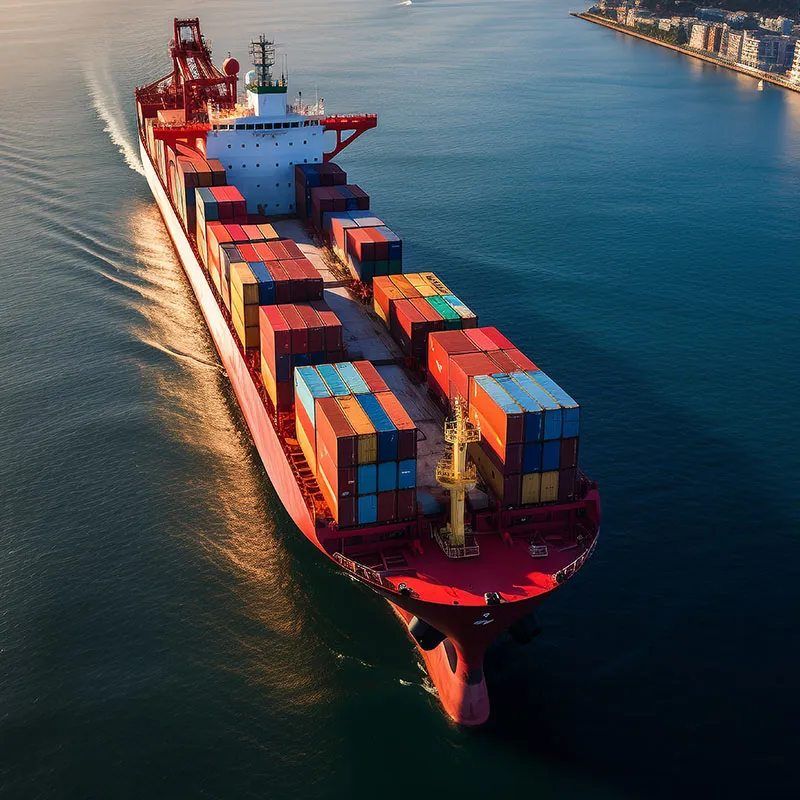
As a supplier specialized in shipping containers to Austria, I understand that many clients are often confused about the packaging requirements. These requirements are not only crucial for the safety of the goods during transit but also play a significant role in ensuring compliance with Austrian import regulations. In this blog post, I will delve into the key packaging requirements for shipping containers to Austria.
General Packaging Principles
When it comes to shipping containers to Austria, the first principle is to ensure that the goods are well - protected. The packaging should be able to withstand the rigors of long - distance transportation, including handling, stacking, and potential exposure to various environmental conditions such as humidity, temperature changes, and vibrations.
For fragile items, extra care must be taken. They should be wrapped in shock - absorbing materials like bubble wrap, foam sheets, or packing peanuts. These materials help to cushion the impact during transit and prevent breakage. For example, if you are shipping glassware or electronic devices, each item should be individually wrapped before being placed in a sturdy outer box.
In addition, the packaging should be of appropriate size. Over - sized packaging can lead to inefficient use of container space and may result in the goods shifting during transit. On the other hand, under - sized packaging may not provide adequate protection. It is essential to measure the goods accurately and select the right - sized packaging materials.
Labeling Requirements
Labeling is a critical aspect of packaging for shipping containers to Austria. All labels must be clear, legible, and in German or English. The following information should be included on the labels:
- Product Information: This includes the name of the product, its description, and any relevant model or serial numbers. For example, if you are shipping furniture, the label should clearly state the type of furniture (e.g., sofa, dining table) and its dimensions.
- Origin of the Goods: The country of origin must be clearly indicated on the label. This is important for customs clearance and for determining any applicable duties or tariffs.
- Handling Instructions: If the goods require special handling, such as "Fragile," "This Side Up," or "Keep Dry," appropriate symbols and text should be included on the labels. This helps the handlers to take the necessary precautions during loading, unloading, and transportation.
- Hazardous Materials: If the goods contain hazardous materials, special labels and markings are required in accordance with international regulations. These labels provide information about the nature of the hazard, such as flammability, toxicity, or corrosiveness.
Packaging Materials
The choice of packaging materials is also important. In general, it is recommended to use environmentally - friendly and sustainable materials whenever possible. Austria has strict environmental regulations, and using eco - friendly packaging can help to meet these requirements and enhance your company's image.
Common packaging materials include cardboard boxes, wooden crates, pallets, and plastic wrap. Cardboard boxes are suitable for most non - fragile and small to medium - sized items. They are light - weight, easy to handle, and can be easily labeled. Wooden crates, on the other hand, are more suitable for heavy and bulky items. They provide strong protection and can be customized to fit the shape of the goods.
Pallets are used to group and secure multiple items together. They make it easier to handle the goods using forklifts and pallet jacks during loading and unloading. Plastic wrap is often used to secure the goods on the pallets and to protect them from dust and moisture.
International and Austrian - Specific Regulations
In addition to the general packaging requirements, there are also international and Austrian - specific regulations that need to be followed.
International Regulations
- IMDG Code: If you are shipping dangerous goods, you must comply with the International Maritime Dangerous Goods (IMDG) Code. This code provides detailed regulations on the classification, packaging, labeling, and documentation of dangerous goods for sea transportation.
- IPPC Mark: For wooden packaging materials, such as crates and pallets, they must be treated in accordance with the International Plant Protection Convention (IPPC) requirements. The packaging should bear the IPPC mark, indicating that it has been properly treated to prevent the spread of pests and diseases.
Austrian - Specific Regulations
- Food and Beverage Packaging: If you are shipping food and beverages to Austria, there are additional regulations regarding packaging materials and labeling. The packaging must be made of materials that are safe for food contact and should not contaminate the food. The labels must include information about the ingredients, allergens, nutritional values, and expiration dates.
- Pharmaceutical Packaging: Pharmaceutical products have strict packaging requirements. The packaging must protect the drugs from light, moisture, and microbial contamination. Labels should include information about the name of the drug, dosage, administration instructions, and expiration date.
Comparison with Other European Destinations
It's interesting to note how the packaging requirements for shipping containers to Austria compare with other European destinations. For instance, when shipping to Greece, the requirements are somewhat similar in terms of general protection and labeling. However, Shipping Container From China To Greece may have specific regulations related to the import of certain types of goods, such as agricultural products, due to its unique geographical and economic situation.
When shipping to Lithuania, Shipping From China To Lithuania also requires compliance with EU - wide regulations. But the local customs may have different inspection procedures and priorities. For example, Lithuania may be more strict about the origin of certain raw materials used in the goods.
Similarly, when shipping to Bulgaria via Shipping Container From China To Bulgaria, there are shared EU regulations, but the country may have its own nuances in terms of packaging for cultural and historical goods.