

Hey there! I'm a supplier with Container China To USA. Over the years, I've been deeply involved in shipping containers from China to the United States. Today, I wanna chat about the security measures at US ports for containers arriving from China.
1. Background of Container Shipping from China to the US
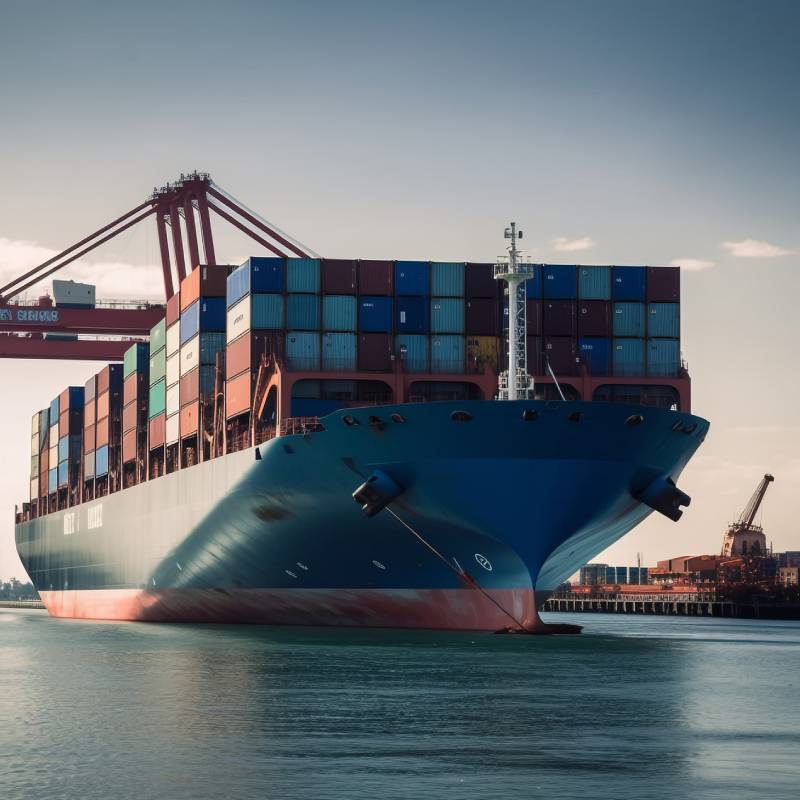
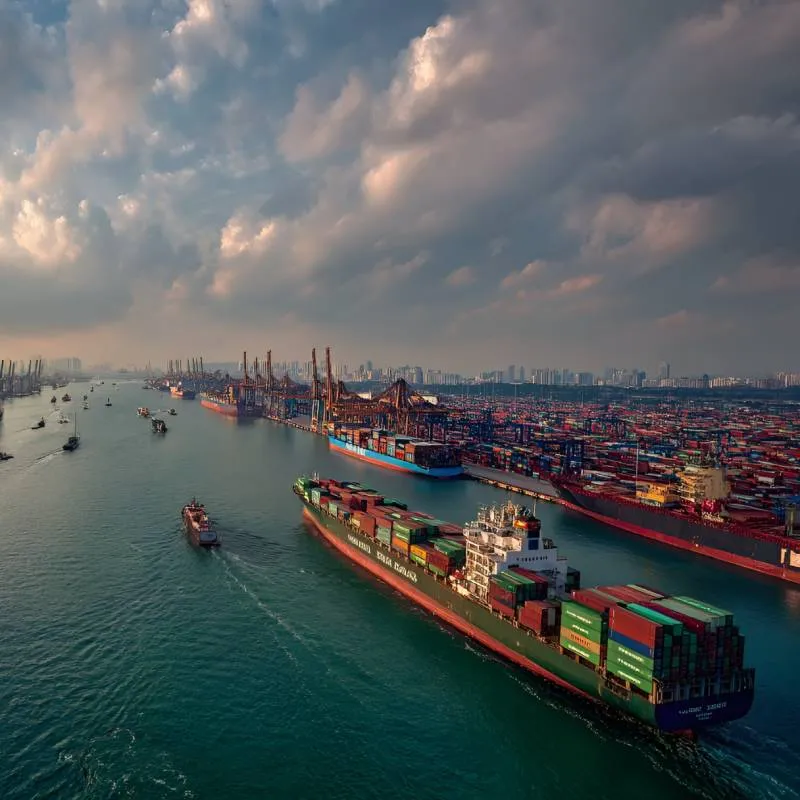
Container shipping between China and the US is a huge deal. China is one of the biggest exporters in the world, and the US is a major importer. Every day, thousands of containers filled with all sorts of goods - from electronics to clothing - make their way across the ocean. As a supplier, I know how important it is to understand the security procedures at US ports. It not only affects the safety of the goods but also the efficiency of the whole shipping process.
2. Pre - Arrival Security Checks
Before a container even reaches a US port, there are several security measures in place. The US Customs and Border Protection (CBP) uses an Automated Targeting System (ATS). This system analyzes information about the container, such as its origin, contents, and the shipping history of the company. Based on this analysis, the CBP can identify high - risk containers.
For us suppliers, we have to provide detailed information about the goods in the container. This includes the type of products, their quantity, and their value. We also need to give information about the manufacturing process and the source of the raw materials. This pre - arrival information sharing helps the CBP to make a preliminary assessment of the container's risk level.
3. At - Port Physical Inspections
When the container arrives at a US port, it may undergo a physical inspection. The CBP has a team of highly trained officers who are responsible for these inspections. They use a variety of tools and techniques.
One of the common methods is the use of X - ray machines. These machines can scan the container without opening it, allowing the officers to get a clear picture of what's inside. If the X - ray shows something suspicious, the container will be opened for a more detailed inspection.
Another important tool is the radiation detector. With the threat of nuclear materials being smuggled, the CBP uses these detectors to check if there are any abnormal levels of radiation in the container.
Sometimes, the officers will also conduct a manual inspection. They'll open the container, check the goods one by one, and verify if the information provided by the supplier matches what's actually in the container. This can be a time - consuming process, especially for large containers.
4. Security Seals and Tracking
To ensure the integrity of the container during transit, we suppliers are required to use high - security seals. These seals are designed to be tamper - evident. If someone tries to open the container without proper authorization, the seal will be broken, and it'll be obvious to the CBP officers at the port.
In addition to seals, many containers are now equipped with tracking devices. These devices can provide real - time information about the location of the container. The CBP can monitor the movement of the container from the moment it leaves China until it reaches the US port. This helps to prevent any unauthorized stops or detours during the journey.
5. Partnerships and Programs
The US government has established several partnerships and programs to enhance port security. One of the most well - known programs is the Container Security Initiative (CSI). Under this program, the CBP works with foreign customs authorities, including those in China, to identify and pre - screen high - risk containers before they are shipped to the US.
There's also the Customs - Trade Partnership Against Terrorism (C - TPAT). This is a voluntary program where companies, including us suppliers, can participate. By meeting certain security standards, our company can be certified as a C - TPAT member. This certification can lead to faster processing times at US ports, as the CBP has more confidence in the security measures implemented by C - TPAT members.
6. Impact on Suppliers
These security measures have both positive and negative impacts on us suppliers. On the positive side, they ensure the safety of the goods and the security of the supply chain. It gives our customers in the US more confidence in the products they're importing.
However, there are also some challenges. The strict security requirements mean that we have to spend more time and resources on providing accurate information and complying with the regulations. Physical inspections can also cause delays, which may affect our delivery schedules.
7. Other Shipping Routes and Their Security
While our main focus is on shipping containers from China to the US, I also want to mention some other shipping routes. For example, if you're interested in Shipping Container From China To Ireland, the security measures at Irish ports also involve pre - arrival information sharing and physical inspections. Similarly, for Shipping Container From China To Sweden and Shipping From China To Cyprus, the European Union has its own set of security regulations for ports.
8. Conclusion and Call to Action
In conclusion, the security measures at US ports for containers arriving from China are comprehensive and multi - layered. They are designed to protect the US from potential threats while still facilitating international trade.
As a supplier, I understand the importance of working closely with the CBP and complying with all the security regulations. If you're in the market for shipping containers from China to the US or other destinations, I'd love to have a chat with you. We can discuss how we can ensure a smooth and secure shipping process for your goods. Whether you're a small business or a large corporation, we have the experience and expertise to meet your shipping needs. So, don't hesitate to reach out and start a conversation about your procurement requirements.
References
- US Customs and Border Protection official website
- Publications on international shipping security regulations