

When it comes to shipping perishable goods from China to Belgium, as a seasoned Shipping From China To Belgium supplier, I understand the complexity and importance of choosing the right shipping options. Perishable goods, such as fresh fruits, vegetables, seafood, and dairy products, require special handling and transportation conditions to ensure their quality and safety upon arrival. In this blog, I will explore the various shipping options available for perishable goods from China to Belgium, highlighting their advantages, limitations, and key considerations.
Air Freight
Air freight is often the preferred choice for shipping perishable goods due to its speed and reliability. With air transportation, perishable items can reach Belgium in a matter of hours or a few days, minimizing the time spent in transit and reducing the risk of spoilage. Airlines offer dedicated cargo services with temperature - controlled environments, ensuring that the goods are maintained at the appropriate temperature throughout the journey.
Advantages
- Speed: The most significant advantage of air freight is its speed. This is crucial for highly perishable goods that have a short shelf - life. For example, fresh flowers from Yunnan, China, can be on display in Belgian flower markets within 24 - 48 hours.
- Reliability: Airlines generally have strict schedules, which means that the delivery time is more predictable compared to other shipping methods. This is important for businesses that need to meet specific delivery deadlines.
- Low Risk of Damage: Airports have advanced handling facilities, and the relatively short transit time reduces the chances of physical damage to the perishable goods.
Limitations
- High Cost: Air freight is significantly more expensive than other shipping options. The cost of transporting large volumes of perishable goods by air can be prohibitive for some businesses, especially those with low - margin products.
- Limited Capacity: Airplanes have limited cargo space, which may not be sufficient for large - scale shipments of perishable goods. This can be a problem for suppliers who need to transport large quantities of products at once.
Key Considerations
- Documentation: Air freight requires detailed documentation, including airway bills, certificates of origin, and phytosanitary certificates for agricultural products. Ensuring that all the necessary documents are in order is essential to avoid delays at customs.
- Packaging: Proper packaging is crucial for air - shipped perishable goods. The packaging should be able to withstand the rigors of air travel and maintain the temperature and humidity levels required for the goods.
Sea Freight
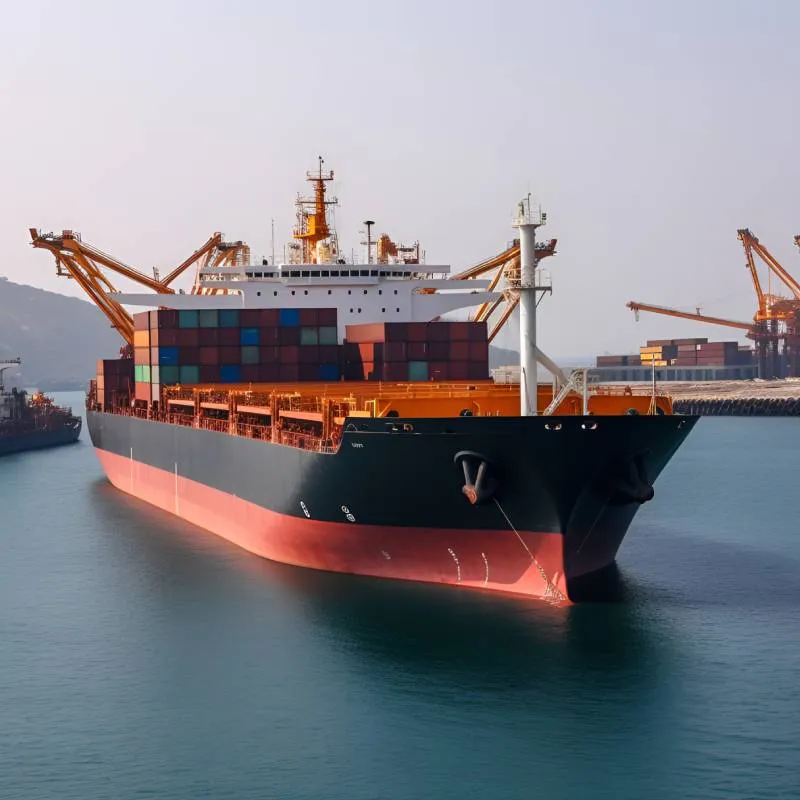
Sea freight is a more cost - effective option for shipping perishable goods from China to Belgium, especially for large - volume shipments. Although it takes longer than air freight, modern shipping technologies have made it possible to transport perishable goods safely over long distances.
Advantages
- Cost - Efficiency: Sea freight is generally much cheaper than air freight, making it a viable option for businesses looking to reduce transportation costs. This is particularly beneficial for suppliers of bulk perishable goods, such as frozen seafood.
- Large Capacity: Container ships can carry a large volume of goods, allowing suppliers to transport large quantities of perishable products in a single shipment.
- Environmental Friendliness: Compared to air freight, sea freight has a lower carbon footprint, which is an important consideration for environmentally - conscious businesses.
Limitations
- Long Transit Time: Sea freight can take several weeks to reach Belgium from China, depending on the shipping route and the frequency of sailings. This long transit time increases the risk of spoilage for highly perishable goods.
- Weather and Other Delays: Sea shipments are subject to weather conditions, port congestion, and other unforeseen circumstances, which can cause delays in delivery.
Key Considerations
- Refrigerated Containers: For perishable goods, refrigerated containers (reefers) are essential. These containers can maintain a constant temperature and humidity level, ensuring the quality of the goods during transit. It is important to choose a reliable shipping line that has well - maintained reefers.
- Shipping Schedule: Planning the shipping schedule in advance is crucial to ensure that the perishable goods arrive at their destination in a timely manner. This may involve coordinating with suppliers, freight forwarders, and customs brokers.
Road Freight
Road freight can be an option for shipping perishable goods from China to Belgium, especially for goods that are being transported within Europe after arriving in a European port. It offers flexibility and door - to - door service.
Advantages
- Flexibility: Road freight can provide door - to - door service, which is convenient for businesses that need to deliver perishable goods directly to their customers. It can also be used for last - mile delivery after the goods have arrived in a European port.
- Quick Delivery within Europe: Once the goods have reached a European port, road freight can be a relatively fast way to transport them to Belgium, especially for short - distance shipments.
Limitations
- Limited Range: Road freight is not suitable for long - distance transportation from China to Belgium. The journey from China to Belgium by road is extremely long and may involve multiple border crossings, which can be time - consuming and complex.
- Capacity Constraints: Trucks have limited cargo capacity compared to container ships, which may not be sufficient for large - scale shipments of perishable goods.
Key Considerations
- Customs and Border Regulations: When transporting perishable goods by road, it is important to comply with the customs and border regulations of each country along the route. This may involve obtaining the necessary permits and certificates.
- Vehicle Condition: The trucks used for transporting perishable goods should be equipped with proper refrigeration systems and be well - maintained to ensure the quality of the goods during transit.
Combined Shipping Options
In some cases, a combination of shipping methods may be the best solution for transporting perishable goods from China to Belgium. For example, air freight can be used for the initial long - distance transport from China to a European hub, and then road freight can be used for the final delivery to Belgium. This approach can take advantage of the speed of air freight and the flexibility of road freight.

Advantages
- Optimized Cost and Time: By combining different shipping methods, businesses can optimize the cost and time of transportation. They can use the most cost - effective method for the long - haul portion and the fastest method for the last - mile delivery.
- Increased Flexibility: Combined shipping options offer more flexibility in terms of delivery schedules and routes, allowing businesses to adapt to changing market conditions.
Limitations
- Complexity: Coordinating multiple shipping methods can be complex and requires careful planning and communication between different carriers and logistics providers.
- Higher Risk of Errors: With multiple hand - offs between different carriers, there is a higher risk of errors, such as misrouting or delays at transfer points.
Key Considerations
- Logistics Coordination: Effective logistics coordination is essential when using combined shipping options. This may involve working with a freight forwarder who has experience in handling multi - modal shipments.
- Insurance: It is important to ensure that the perishable goods are properly insured during the entire transportation process to protect against any potential losses or damages.
In addition to the shipping options mentioned above, there are also other related shipping services that might be of interest. For example, if you are considering shipping to other European countries, you can explore Shipping From China To Slovakia, Shipping Container From China To Bulgaria, or Shipping Container To Austria.
As a Shipping From China To Belgium supplier, I am committed to providing the best shipping solutions for perishable goods. Whether you need to transport a small batch of high - value perishable items or a large volume of bulk products, I can help you choose the most suitable shipping option based on your specific requirements. If you are interested in learning more about our shipping services or would like to discuss your procurement needs, please feel free to reach out. We are here to assist you in ensuring the safe and timely delivery of your perishable goods from China to Belgium.
References
- International Air Transport Association (IATA) - Regulations for the air transport of perishable goods
- International Maritime Organization (IMO) - Guidelines for the transport of refrigerated goods by sea
- World Customs Organization (WCO) - Customs procedures and regulations for the import and export of perishable goods