

If you’ve ever sent a shipment of toys to Europe, you know there’s more to it than just loading a container and hitting the road—every country has its own set of rules, and France is no exception. As a provider of shipping container services to France, I’ve worked with hundreds of toy manufacturers, small business owners, and even hobbyists who’ve had questions about what’s allowed, what’s restricted, and how to keep their shipments from getting stuck in a French port. Over the years, I’ve learned that the key to a smooth delivery isn’t just knowing the shipping process—it’s understanding the specific regulations France enforces for toys, especially when they’re moving in a container. Let me break down what you need to know, from safety standards to documentation, so your next toy shipment to France goes off without a hitch.
First, let’s start with the big one: safety. Toys for sale in France (and all EU countries) have to meet the CE marking requirement, right? But it’s not just slapping a sticker on the box—there are specific standards for different types of toys, and France enforces these strictly. For example, if you’re shipping plush toys, they need to resist flammability; small parts on action figures or puzzles can’t be small enough for a young child to swallow, which is a big one for toys targeted at kids under three. I once had a client who shipped a container of DIY building blocks from China to France without proper testing for small parts—customs in Le Havre held the entire shipment for two weeks while they verified compliance, delaying the client’s holiday sales. That’s why I always advise toy shippers to get a third-party test certificate before loading, even if they think their products are safe. The CE marking isn’t just a formality; it’s proof that the toy meets EU safety standards, and without it, your container won’t clear French customs.
Another safety-related restriction is for toys that contain certain materials. France, like much of the EU, has banned toys with lead levels above a certain threshold, as well as toys with phthalates (chemicals used to make plastics flexible) in high concentrations. For example, soft vinyl toys for children under three can’t have more than 0.1% of certain phthalates. I’ve seen clients cut corners here by using cheaper materials, only to have their containers seized. It’s not just about fines—seized toys are often destroyed, which is a huge financial hit for small businesses. If you’re unsure about your materials, it’s worth doing a quick test before shipping; the last thing you want is a container full of toys sitting in a port because of a material violation.
Now, let’s talk about packaging and labeling. French labeling rules for toys are specific and in French, by the way. Every toy package needs to have clear instructions, warning labels (like “choking hazard for children under 3”), and the manufacturer’s name and address. The language requirement is non-negotiable—French consumers need to understand safety warnings, so if your labels are only in Chinese or English, your shipment might be held. I had a client once who thought adding a French translation to a few boxes was enough, but customs required every single package to have French text, not just a few. So make sure all labels and inserts are in French, or at least have a fully accurate French translation alongside other languages. That small detail can save you a lot of hassle at customs.
Then there’s the issue of prohibited and restricted toys in France. Some toys are outright banned, regardless of where they’re shipped from. For example, toys that resemble weapons (like realistic toy guns) are heavily restricted—France has strict laws against items that could be mistaken for real firearms, so even if a toy gun is designed for play, it might be seized. Also, toys that feature hate symbols, offensive imagery, or that promote dangerous activities (like simulating reckless driving) are banned. I once had a client who shipped a container of toy cap guns, not realizing France had tightened restrictions on them a few months prior—half the shipment was destroyed, and the other half was sent back. It’s important to stay up-to-date on France’s prohibited toy list; regulations can change, so I always tell clients to check the latest version from the French customs agency before they finalize their shipment.
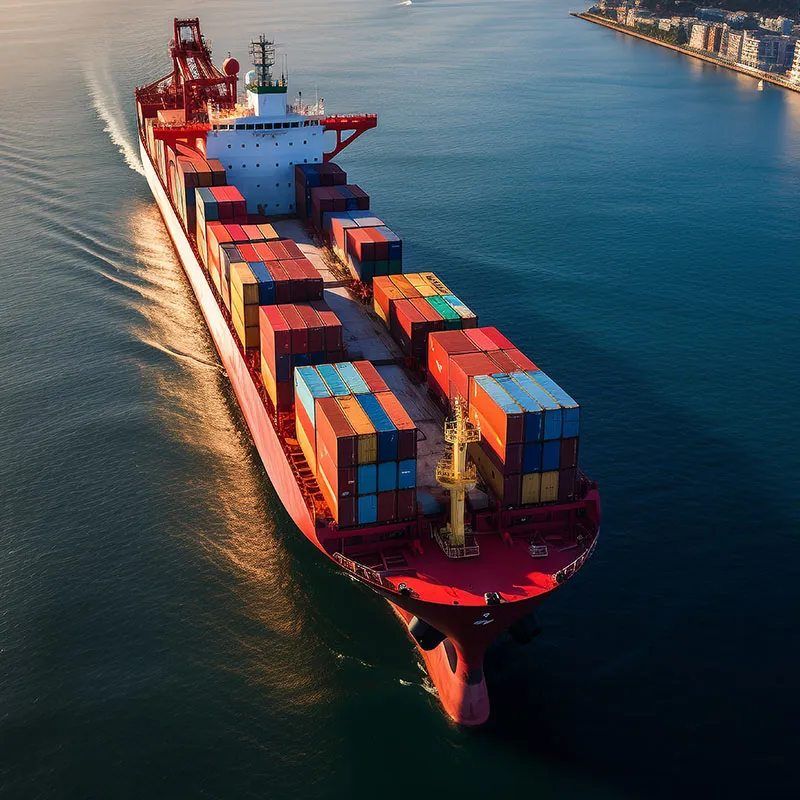

What about the container itself? Are there any restrictions on how toys are packed inside the container? Honestly, not specific to toys, but there are general container rules that apply, and they can affect your shipment when it reaches France. For example, the container has to be in good condition—no holes, no damaged flooring, because that could lead to moisture damage, which is a big problem for toys (especially wooden or electronic toys). Also, you can’t pack toys that are dangerous to transport alongside them—like aerosols (even if they’re toy accessories) or flammable materials. I always advise clients to separate any hazardous items (even small ones) and label them clearly, because French customs and shipping lines will reject a container if it has unlabeled hazardous materials mixed in with toys.
Now, let’s get into the documentation side, because this is where a lot of shippers mess up for France. You’ll need a commercial invoice, a packing list, a bill of lading, and a CE certificate, of course. But for toys, you might also need a product safety declaration, which is a document that says all the toys in the container comply with EU standards. Some shippers skip this, but French customs officials will ask for it, and without it, your shipment can’t be cleared. I always include a checklist for my clients when we arrange a shipment to France: make sure all these documents are signed, dated, and accurate, because a small typo in a product name can lead to delays.
If you’re shipping from a non-EU country (like China, which many toy manufacturers use), there’s also customs duty and VAT to consider, but that’s separate from restrictions—though it’s something to keep in mind when budgeting. For example, when you ship a 20ft container from China to Europe, the cost can vary based on the destination country, and France is no exception. If you’re curious about costs to other EU countries, like Ireland or Slovenia, I have helpful pages on my website: Cost Of Shipping 20ft Container From China To Ireland, Shipping From China To Slovenia, Shipping Container From China To Poland, Shipping Container From China To Greece, and Shipping Container To Austria. Even if you’re focused on France, these pages can give you a sense of how shipping costs work across Europe, which might help if you have future shipments to other countries.
Wait, but what about specific types of toys? Let’s say you’re shipping electronic toys, like remote-controlled cars or drones. France has extra rules here—electronic toys have to meet EMC (Electromagnetic Compatibility) standards, which means they don’t interfere with other electronic devices. I had a client who shipped a container of cheap RC cars from China that didn’t have EMC testing, and French customs held the shipment until they could arrange testing, which cost the client thousands in extra fees and delays. For battery-operated toys, there’s also restrictions on lithium-ion batteries—they have to be packed safely, not loose, and the container has to be labeled for lithium batteries, even if they’re inside the toys. That’s a big one, because loose lithium batteries can be a fire risk, and France (and most EU countries) have strict rules about how they’re transported in containers.
Another thing I’ve noticed over the years is that France has more frequent customs checks on toy shipments than some other EU countries. It’s not that they’re singling out shippers, but France has a strong focus on protecting consumers from unsafe products, especially toys which are for children. That means your shipment might be inspected when it arrives in Le Havre, Marseille, or another major French port. To make sure your shipment passes inspection, I recommend keeping samples of each toy type in your office—if customs asks to verify compliance, you’ll have the samples ready, which can speed up the process. I once worked with a client who didn’t have samples, so they had to send a courier with samples from their warehouse in China, which took two weeks and cost more than the extra inspection fee would have cost if they’d had samples on hand.
What about if you’re re-shipping toys to France from another EU country? Do the same restrictions apply? Mostly, but there are some differences. If the toys are already CE-marked and have been legally sold in another EU country, they should be allowed in France, but you still need the proper documentation to prove that. But if the toys are being imported from outside the EU (like China, the US, or Canada), then all the safety and labeling rules I mentioned earlier apply, because France is enforcing EU regulations for non-EU imports. I always tell clients that when shipping to France from a non-EU country, it’s better to be over-prepared than under-prepared—customs officials have the authority to hold any shipment they have questions about, and being organized with documentation can make that process much faster.
Let me also talk about common mistakes I see shippers make when sending toys to France in a container. One is not checking the latest regulations—like when France updated its phthalate limits in 2022, a lot of clients didn’t know, and their shipments were seized. Another is mixing different types of toys without separating them or labeling them clearly, which makes inspections take longer. And finally, not planning enough time for delays—French customs can take a few days to clear a shipment, and if you’re shipping during peak times (like before Christmas), delays are even more common. That’s why I always advise clients to book their container shipment at least 4-6 weeks before their goods are needed, especially if they’re shipping toys for the holiday season.
Now, if you’re ready to ship toys to France, what do you need to do next? First, make sure all your toys meet CE standards, have the right labeling and documentation, and are packed safely. Then, work with a reliable shipping provider who knows the ins and outs of French regulations for toys. As a provider of shipping container services to France, I’ve helped hundreds of toy shippers navigate these rules, and I can guide you through every step—from documentation to container packing to customs clearance. If you have questions about specific toys you’re shipping, or if you want to get a quote for your container shipment, feel free to reach out to our team. We specialize in container shipments to Europe, and we have experience with all the countries I mentioned earlier: Ireland, Slovenia, Poland, Greece, and Austria, so we can help with any future shipments you might have too.
Before I wrap up, let’s recap the key restrictions for shipping toys to France in a container:
- All toys must have a valid CE marking and product safety declaration, meeting EU safety standards (including small parts, flammability, and material limits like phthalates and lead).
- All packaging and labeling must be in French, including safety warnings, manufacturer details, and product information.
- Prohibited toys (like realistic toy guns, hate symbol toys, or dangerous items) are banned and will be seized.
- Electronic and battery-operated toys need EMC compliance and safe packaging for batteries, with proper labeling.
- Documentation must be accurate, including commercial invoices, packing lists, and bills of lading—missing or incorrect documents will cause delays.
- Containers must be in good condition, with no mixed hazardous materials that could violate transport rules.
Shipping toys to France doesn’t have to be stressful, as long as you’re prepared. The biggest thing is staying informed about the regulations and working with a provider who knows the process. As someone who’s been in this industry for years, I can tell you that the best way to avoid problems is to plan ahead, follow the rules, and have all your paperwork in order. Whether you’re a small business shipping a 20ft container or a large manufacturer sending multiple containers, we’re here to help. If you’re ready to discuss your next toy shipment to France, get in touch with our team to learn more about our services and how we can make your delivery smooth.
REFERENCES
- European Commission: Toy Safety Standards (EU Directive 2009/48/EC)
- French Customs: Import Rules for Toys into France
- International Air Transport Association (IATA): Shipping Rules for Lithium Batteries in Containers (for battery-operated toys)
- European Chemicals Agency (ECHA): Restriction of Hazardous Substances (RoHS) for Toys