

Hey everyone, if you’re someone who’s been sending or planning to send handicrafts from China to the Netherlands, I’m here to break down the regulations and what I’ve learned over the years as a shipping provider. Let’s get real—handicrafts are super personal, right? Whether they’re hand-carved wooden statues, woven textiles, ceramic pottery, or intricate paper crafts, they’re not just boxes of stuff. So shipping them halfway across the world needs some actual rules to follow, not just guessing. Let’s dive in, and by the way, if you’ve got buddies shipping to other EU spots, I’ve got links for those too later on.
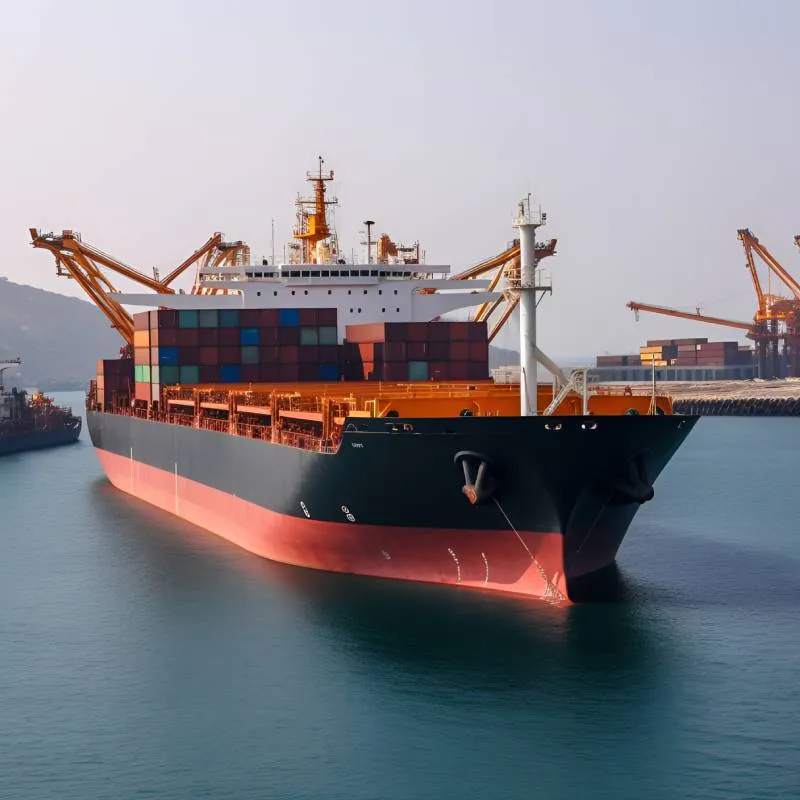

First off, let’s talk about the basics: the Netherlands is part of the EU, so when you ship from China (which is outside the EU), it’s an international import into the bloc. That means all the EU customs rules apply here, not just Dutch ones. And handicrafts are a mixed bag—some are made from natural materials, some might have small metal parts, maybe even some that could be considered “cultural goods” if they’re old or super unique. I’ve seen a few clients skip a step and get stuck at customs, so let’s start with customs documentation because that’s non-negotiable.
First, the commercial invoice. This isn’t just a random piece of paper—customs need this to value your goods, figure out duties, and check what’s actually in the box. It has to have a detailed description, not just “handicrafts.” Like, instead of that, write “hand-carved oak wooden statues (10 units), hand-woven cotton tapestries (5 units)” because vague descriptions hold things up. Also, make sure the value is accurate—under-reporting is a big no, you’ll get penalized. Then there’s the packing list, which should match every single item on the invoice, so if a statue is made of wood, note that there’s no hidden parts, right?
Next, customs declarations. For imports into the EU, you need an EORI number—Economic Operator Registration and Identification. If you’re in the Netherlands, that’s easy to get from the Dutch tax authority (Belastingdienst). If you’re sending as a business, you definitely need this; even individual shippers should have it if the goods are worth more than around €22. Wait, yeah—there’s that threshold thing. If the total value of your handicrafts is under €22, you might not pay duties or VAT, but if it’s between €22 and €150, you pay VAT, and over €150, you pay both duties and VAT. That’s a key number I tell every client—don’t declare €100 worth of stuff as €21 to skip it, customs check that.
Now, the big one for handicrafts: product compliance and material checks. The Netherlands is strict about what can come in, especially with natural materials or items that might be considered hazardous or even cultural property. Let’s break materials down. First, wood handicrafts—even if they’re small, like wooden bowls or carvings, you need a phytosanitary certificate? Wait no, wait—wait, if it’s solid wood (not plywood or MDF), the EU requires a phytosanitary certificate to prove it’s free of pests like woodworms. But if it’s processed wood, like sanded and treated, sometimes that’s waived, but I always suggest having the certificate just in case. I had a client send some wooden sculptures without it once, and they got sent back to China, costing a ton of extra shipping—never again. Then there’s natural fibers, like cotton, wool, or jute for textiles or woven crafts. Again, if they’re untreated, you need proof they’re free from pests, but treated ones usually don’t. Ceramic or porcelain? Those are pretty straightforward, but make sure they’re marked clearly as fragile because shipping carriers handle them rough.
What about cultural handicrafts? Oh, this is a big one. If your handicraft is over 100 years old, or looks like it’s from a specific cultural heritage that the EU protects—like traditional Chinese porcelain, bronze statues, or scroll paintings—you might need an export license from China’s cultural authority (State Administration of Cultural Heritage) and an import license from the Netherlands. I once had a client ship a 150-year-old silk embroidery that was a family heirloom, and without those licenses, it was held in Amsterdam customs for three months. Don’t risk that—if your items are “cultural goods,” check both countries’ rules first. And even newer handicrafts, if they’re made with traditional patterns that might have IP? Wait, no, that’s more if you’re shipping to sell, but just make sure you’re not replicating something copyrighted, but that’s more a business thing than shipping.
Then there’s duties and VAT, let’s get specific for the Netherlands. As I mentioned earlier, the threshold is €22 for low-value goods. Duties on handicrafts depend on the material and HS code. What’s an HS code? That’s the Harmonized System code, a global classification for products. For example, wooden handicrafts are usually under code 4420, textile handicrafts 6305, ceramic 6914. The duty rates? Let’s say around 3-6% for most handicrafts, but it varies. VAT in the Netherlands is 21% for most goods, including handicrafts—wait, but if you’re importing as a business, you can reclaim that VAT, right? Only if you’re registered for VAT in the EU. If you’re an individual importing for personal use, you pay the VAT on top of the duty. I always tell clients to calculate these costs upfront so there’s no sticker shock when it arrives.
What about shipping methods? Because that affects how the rules apply. Most people ship either air freight, sea freight, or small parcel. For small parcels (under 30kg), it’s easier because carriers like DHL or UPS handle customs, but you still need all the docs. For sea freight, if you’re sending a full container (FCL) or less than a container (LCL), that’s more paperwork because you’re dealing with a freight forwarder. I specialize in Shipping From China To Netherlands, so I know exactly which freight forwarders get customs through fast for handicrafts—no hidden delays. If you’re curious about other EU countries, I have links for Shipping Container From China To Greece, Shipping From China To Belgium, and others if you have friends or business partners shipping there too.
Wait, are there any restricted items I should mention? Yeah, even though they’re handicrafts, some things are totally banned. Handicrafts made from endangered species—like ivory, tortoiseshell, or certain tropical woods (thanks to CITES, the Convention on International Trade in Endangered Species)—those are never allowed. Even old ivory carvings? CITES has strict rules, so most of those are banned. Also, handicrafts with toxic materials—like metal paints with lead, or fragile items that have flammable parts. The Netherlands (and EU) have strict REACH regulations, which restrict certain chemicals in products. So if your handicraft has lead-based paint, that’s a no-go. I had a client who made some metal jewelry handicrafts with old lead paint, and they got rejected—we had to sand all the paint off, which added time and cost. Don’t skip that check.
Another thing: labeling and packaging. The Netherlands requires products to be labeled in Dutch (or at least English, but Dutch is preferred) with basic info—country of origin, material, weight, item description. So if your handicraft is a wooden bowl, label it “Wooden Bowl, Made in China” not just a number. Packaging-wise, make sure it’s secure—handicrafts are fragile, so bubble wrap, foam, and sturdy boxes. And don’t use packing materials that are organic, like straw, because that might have pests. I always suggest using plastic or foam packing instead of natural stuff to avoid phytosanitary issues.
Wait, what about temporary imports? If you’re shipping handicrafts for an exhibition in the Netherlands, not to sell, that’s different. You can get a temporary import exemption, so you don’t pay duties and VAT, but you have to prove you’re taking them back to China after the exhibition. That’s a whole different set of docs, like an exhibition certificate from the Dutch government. I’ve helped a few art galleries ship for events, and that works, but it’s important to mention if that’s your case—regular import rules don’t apply.
Now, let’s talk about common mistakes I see, so you don’t make them. First, missing the EORI number—way too many small business owners forget this, and customs can’t process the declaration without it. Second, vague descriptions on the invoice—writing “crafts” instead of specifics leads customs to hold the package for inspection, which takes weeks. Third, not checking for CITES or cultural goods rules—like I said, that’s where most delays happen. Fourth, under-declaring value—customs can spot that fast, and you get fined, or the package gets seized. Fifth, using organic packing materials—straw or hay might have pests, so they get rejected at customs.
If you’re wondering about shipping to other EU countries, like maybe you have customers in Ireland or Malta, I’ve got those links too—Shipping Container From China To Ireland, Shipping Container From China To Malta, all on my site so you can check those out too if you need. I focus on all EU destinations, not just the Netherlands, so I know the ins and outs of each, but today we’re deep-diving into Dutch rules since that’s what most of my clients ask about.
Wait, let’s recap to make sure I didn’t miss anything. To ship handicrafts from China to the Netherlands, you need: correct documentation (commercial invoice, packing list, EORI number), material checks (phytosanitary for wood, no endangered species, no toxic chemicals), cultural goods checks if they’re old or traditional, accurate value for customs, proper labeling and packaging, and calculate duties/VAT based on the value threshold. And if you’re using a shipping provider, make sure they specialize in handicrafts or EU imports, because not all carriers know these rules.
I know this sounds like a lot, but honestly, once you get the docs down, it’s pretty straightforward. I’ve been doing this for years, so I can help walk you through every step—whether you’re a small artisan shipping a few pieces, or a business bulk shipping for a shop. No need to stress about customs delays or extra fees, because I’ve already navigated all these pitfalls.
If you’re ready to chat about your specific shipment—whether it’s a small parcel of handmade jewelry, a bulk order of wooden furniture, or something in between—hit me up for a consultation. I can help you with all the paperwork, make sure your handicrafts comply with all Dutch and EU rules, and get them to you on time without any headaches. No hidden fees, just straightforward shipping for your unique goods.
References:
- European Commission. (2024). Importing goods into the EU. Retrieved from ec.europa.eu/taxation_customs/business/calculation-customs-duties/importing-goods-eu_en
- Dutch Belastingdienst. (2024). EORI number for imports and exports. Retrieved from belastingdienst.nl/en/import-and-export/eori-number
- CITES Secretariat. (2024). What is CITES? Retrieved from cites.org/what-is-cites
- China State Administration of Cultural Heritage. (2024). Export of cultural relics. Retrieved from sa.gov.cn/en/services/export-cultural-relics/
- European Chemical Agency. (2024). REACH regulation. Retrieved from echa.europa.eu/regulations/reach/-/