

If you’ve ever tried to ship a reefer container to Portugal, you know it’s not the same as dropping a standard dry box in a ship’s hold. Temperature-sensitive cargo—think fresh produce, frozen seafood, pharmaceuticals, or even sensitive electronics that can warp in extreme heat—requires way more planning. As a supplier who’s spent years helping folks move reefers across the ocean to Europe, I’ve walked way too many clients through every messy step (trust me, I’ve fixed more than one last-minute temperature glitch). Today I’m breaking down exactly what the process looks like when you’re sending a refrigerated container from China to Portugal. No jargon, just the real stuff I actually deal with on a weekly basis.
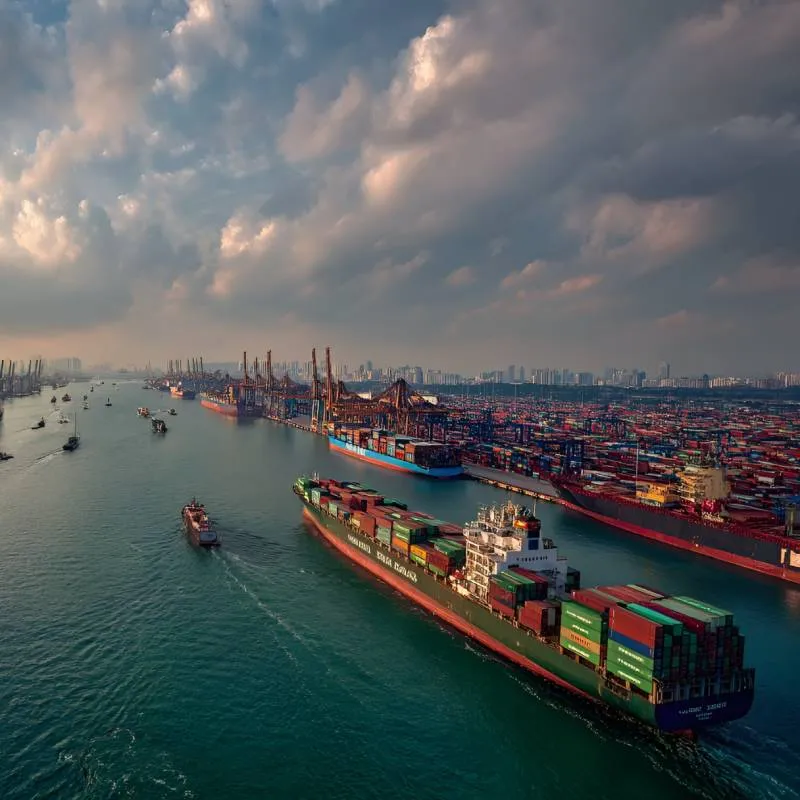
First off, let’s get one thing straight: Portugal isn’t just a random port on the Atlantic. Most of the cargo coming to the country lands in Lisbon or Leixões (that’s Porto’s port, for anyone who doesn’t know). These two are the big hubs, but there are smaller ones, like Sines, if you’re moving to southern Portugal. The port you pick matters because reefer terminals aren’t everywhere—and they’re way more expensive than regular container yards.
Step one: Picking the right reefer container and prepping it (or your cargo) is non-negotiable. You can’t just grab any old refrigerated box off a yard lot. Reefers come in different sizes—20ft, 40ft, 40ft high cube—and they need to be the right type for your cargo. For example, if you’re shipping frozen fish that needs to stay at -20°C, you need a container with a working built-in compressor, not one that’s just been tested once. But wait, don’t forget to check the unit’s “power requirements” too. Most reefers run on 3-phase power, which is standard in China, but Portugal’s grid uses the same, so that’s good—some other European countries have different voltages, like if you check Shipping Container From China To Ireland you might notice they had to adapt voltage for Irish ports, but Portugal’s grid is a match here.
Prepping the container is almost as important as the cargo. First, you have to do a “pre-trip inspection” (yes, that’s the actual term we use) before it even leaves the yard. That means checking for any leaks in the walls, making sure the door seals are intact (a tiny tear can let warm air in and ruin a whole load of strawberries), and testing the compressor. We always recommend clients do this themselves if they can, or hire a third party—we even offer pre-trip checks as an add-on for folks who don’t have experience. Also, if your cargo is fresh produce, you need to ventilate the container before loading, but not too much—you have to balance humidity so the veggies don’t get moldy or dry out. Frozen stuff is easier, no ventilation needed, but you have to make sure there’s no ice buildup inside, because that can block the cooling system.
Next up: Booking the shipment. This is where I see so many people mess up—they wait too long, or they don’t give the carrier all the details they need. When booking a reefer, you can’t just tell them “I need a 40ft reefer to Lisbon.” You have to share the exact temperature range your cargo needs (let’s say between 2°C and 8°C for leafy greens), the type of cargo, how long it needs to hold that temp, and whether you need any extra stuff like pallet jacks at the port. Also, shipping times for reefers to Portugal aren’t the same as standard containers. From Shanghai, it’s usually about 25-30 days, depending on the carrier, with a few stops—maybe in Singapore or Barcelona. If you book last minute, you might get stuck waiting for a space, because not every ship has reefer slots. That’s why we always tell our clients to book at least 4 weeks in advance, more if it’s peak season (like when Portugal’s strawberry harvest is coming up, around May-July).
A quick side note: If you’re comparing routes, we also handle other European countries, like Shipping Container From China To Denmark or Shipping Container From China To Romania, but Portugal’s ports are way more accessible for cargo going to the south or west of Europe, so that’s usually the better pick for anyone targeting Lisbon or Porto.
Then comes the documentation part. This is the part I hate the most, because there are so many forms, and if you miss one, your cargo can get stuck at customs for days. Let’s list the must-haves for shipping to Portugal: a bill of lading (that’s your main shipping document, makes sure you own the container), a commercial invoice with a detailed description of the cargo (you can’t just write “fresh fruit”—you have to say “strawberries, 10 pallets, origin China”), a packing list, and if your cargo is food or pharmaceuticals, a phytosanitary certificate or health certificate. Oh, and for reefers, there’s a specific “reefer declaration” that says you’ve given the carrier the correct temperature details—skip that, and the carrier might not connect the power at the port, which is a disaster. Also, if you’re moving valuable cargo, you’ll want insurance, but make sure it covers temperature-related damage—standard insurance often skips that, so ask us about temperature-specific coverage if you need it.
Loading the container is next. You can’t just toss pallets in there and close the door. With reefers, airflow is everything. If you stack pallets too high or too tight, you block the vents, so some parts of the cargo stay cold and others get warm. For example, if you’re shipping frozen meat, you need to leave at least 6 inches of space between the top pallets and the ceiling, and 12 inches along the sides for air to circulate. We always suggest loading with the heaviest pallets first, and leaving space for the air return near the compressor (that’s the big vent on the inside back of the container). Also, you have to make sure the cargo is secured so it doesn’t shift during the voyage—shifting can damage the compressor or the sensors, which mess up the temperature. Once loading is done, you close the doors, seal them with a lock that both you and the carrier have a key to, and record the seal number—you’ll need that on the bill of lading.
Then there’s the sea voyage. Now, here’s something no one tells you: the temperature you set at booking isn’t set and forget. Carriers monitor reefer containers remotely, right? So you’ll get daily updates, sometimes even hourly, if you ask. If a sensor goes off—say the temp jumps to 10°C when you told it to stay at 5°C—the carrier will check, and if it’s a problem, they’ll adjust or fix it (but that costs extra if it’s because of improper loading, not the container). During the voyage, you have to keep an eye on the weather too—if the ship hits a storm, the temperature might fluctuate a little, but good carriers will prepare for that. I once had a client who shipped cherries to Portugal, and a storm knocked the temp up by 1°C for 2 hours; we caught it early, had the carrier adjust, and none of the cherries went bad.
When the ship arrives in Portugal, it’s not like dropping off a package at the post office. Reefers have to go to a dedicated reefer terminal, not the regular stack. At Lisbon’s terminal, for example, you have to have all your customs documents ready ahead of time, because the terminal only keeps reefer containers for a certain number of hours before they charge you extra. That’s called “detention time,” and it can add up fast—like €100 a day or more. So you need to have your truck or delivery arranged to pick up the container as soon as it’s cleared. Also, when you pick it up, you have to do a second inspection: check the seal is intact, check the temperature log from the voyage, and make sure the container is still holding the right temp. If the seal is broken, or the temp is off, you have to note that on the delivery receipt immediately—otherwise, you might be stuck with the cost of the damage.
Wait, I should mention that not all Portuguese ports are created equal. Sines is a newer, bigger terminal, often used for bulk cargo, while Leixões (Porto) is better for northern Portugal. If you’re shipping to a smaller city in the Algarve, sometimes it’s cheaper to ship to Sines and then move the container overland, rather than using a tiny local port that has higher reefer fees. I’ve seen clients save thousands by picking the right port, so don’t just go with the first one you see.
Also, let’s talk about customs clearance in Portugal. It’s part of the EU, so if your cargo is from China, you have to pay import duties and VAT, right? The duty rate depends on what you’re shipping—agricultural goods might have lower rates, while electronics have higher. We help clients with this all the time, because filling out the customs forms correctly is key to avoiding delays. If you get stopped, you might have to pay extra fees, or even have the cargo inspected again, which can mess up the temperature. So making sure all your docs are in order before the container arrives is huge.
Now, what about if you run into problems? Like, what if the reefer breaks down mid-voyage? Carriers usually have repair teams on ships, but if it’s a major issue, they might divert to another port. For example, if your container is having temp issues, they might drop it in Barcelona instead of Lisbon, and then you’d have to arrange to move it to Portugal, which costs more time and money. That’s why choosing a carrier that’s experienced with reefers is so important—we only work with carriers that have 24/7 monitoring for their reefer fleets, so problems get fixed fast.
Let’s also be real about costs. Shipping a 20ft reefer from China to Portugal usually starts around $3,500, while a 40ft is around $5,500, but that can go up if you need extra services, like pre-trip inspections, temperature-specific insurance, or detention time. Compare that to other European destinations—like Shipping Container To Austria which is a landlocked country, so you might have overland fees on top of sea freight, or Shipping From China To Cyprus which is an island, so wait times are longer. Portugal is pretty competitive on cost because of its well-developed port infrastructure.
Wait, I almost forgot: there’s also the option of “door-to-door” service, which is what most of our clients use. That means we pick up the container from the factory in China, load it, ship it to Portugal, clear customs, and then deliver it directly to your warehouse or farm, no extra work for you. That’s way easier than just port-to-port, because we handle all the headaches. A lot of first-timers don’t realize that door-to-door is worth the extra cost, because you don’t have to deal with trucking and customs at the end.

Let me wrap this up with a few quick pro tips, because that’s what my clients love: 1. Don’t wait until the last minute—reefers need to be booked in advance, especially during peak season. 2. Always test the container before loading, even if the carrier says it’s working. 3. Label everything clearly so loading goes fast. 4. Keep extra copies of all documents on hand—digital and physical. 5. Ask about detention time limits, because you don’t want to get stuck with extra fees.
If you’re looking to ship a refrigerated container to Portugal, don’t try to do it alone. It’s not like shipping a regular dry container—one small mistake can ruin your cargo and cost you thousands. We’ve got years of experience, we handle every step from pre-trip inspection to delivery, and we know exactly how to work around the quirks of Portuguese ports and customs. Whether you’re a small farmer shipping strawberries or a big pharmaceutical company moving temperature-sensitive meds, we can make this process painless. Reach out to our team to chat about your specific needs, and we’ll put together a custom plan for you.
References
- European Commission Customs Union. (2024). Import Procedures for Non-EU Goods. Retrieved from official EU customs documentation.
- International Chamber of Shipping. (2023). Reefer Container Shipping Best Practices. Retrieved from industry shipping guidelines.
- Port of Lisbon Authority. (2024). Reefer Terminal Operating Procedures. Retrieved from port authority public records.
- International Plant Protection Convention. (2023). Phytosanitary Requirements for Fresh Produce Imports to the EU. Retrieved from IPPC official resources.