

If you’re moving goods from China to Latvia, you’re already navigating a long supply chain that spans thousands of miles, and the last thing you want is to deal with lost, damaged, or delayed shipments. As someone who’s spent years as part of the Shipping From China To Latvia team, I’ve seen every possible security pitfall—from improperly sealed containers to gaps in customs documentation that leave cargo stuck (or even stolen) in transit. Over time, we’ve refined our process to eliminate these risks, and I want to share the actionable steps we rely on to make sure your shipment arrives safe, on time, and at its intended location.
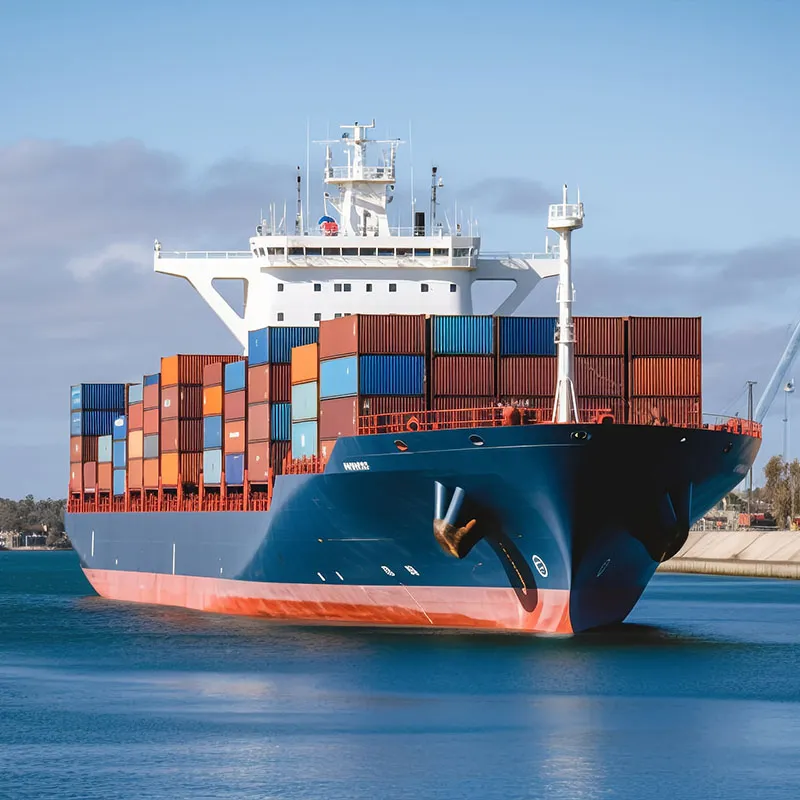
First, let’s start with choosing the right mode of transport for your cargo, because security looks different for air freight, sea freight, or rail. For smaller, high-value items like electronics or fashion accessories, air freight is often the fastest option, but it’s also more vulnerable to small-scale theft at airports and during handling. That’s why we partner exclusively with airports that have 24/7 monitored cargo facilities, and we assign a dedicated agent to your shipment from the moment it leaves your supplier’s warehouse in China until it clears Latvian customs. For bulk cargo like machinery, building materials, or furniture, sea freight is the most cost-effective choice—but it’s also the longest, with containers crossing oceans, stopping at multiple ports, and sitting in storage for days at a time. This is where most security issues pop up: containers being left unattended at port yards, seals being tampered with, or cargo shifting during rough sea conditions. If you’re moving to a neighboring Baltic country, you might also consider rail freight, which offers a middle ground between speed and cost. Whichever mode you pick, make sure your provider has a documented security protocol—not just a generic “we care about safety” line.
Next, proper packaging and securing your cargo at the origin are non-negotiable. I can’t tell you how many times we’ve seen shipments arrive at Chinese ports because their packaging wasn’t up to standard: fragile items wrapped in thin bubble wrap, heavy goods not crated, or pallets that weren’t stretch-wrapped properly. For containerized shipments to Latvia, every item needs to be packed to withstand three things: vibration during transit, temperature fluctuations, and even minor handling mistakes. For example, if you’re shipping glassware or laboratory equipment, we recommend double-boxing items with shock-absorbent foam and adding a layer of humidity-resistant plastic to prevent water damage from ship holds or port rain. For heavy items, we use steel crates instead of wooden crates, which are sturdier and harder to tamper with. Pallets should be heat-treated (a requirement for international shipments to avoid pest infestations, which also helps with customs clearance) and secured with steel strapping, not just plastic, to prevent them from shifting inside the container. And if you’re shipping loose cargo, we always suggest using a full container load (FCL) instead of less than container load (LCL), because LCL shipments are handled multiple times by different carriers, increasing the risk of damage or theft. We’ve had clients tell us LCL was cheaper, but they ended up with broken goods because someone else’s cargo fell on theirs, or small items went missing. The extra cost of FCL is worth the peace of mind, especially for valuable items.
Once your cargo is packed, the next critical step is choosing a reliable provider to move it—and that means doing more than checking their rates. As part of the Shipping From China To Latvia team, we know that many small providers cut corners on security to undercut competitors, so here’s what to look for: first, ask for their carrier network and security certifications. A reputable provider should work with carriers that are members of the International Air Transport Association (IATA) for air freight, or the International Chamber of Shipping (ICS) for sea freight, both of which have strict security standards. They should also offer real-time tracking with GPS monitoring for your container or shipment—this isn’t just a convenience; it lets you see exactly where your cargo is 24/7, and if it stops moving unexpectedly, you can investigate immediately. Another red flag: if a provider doesn’t assign a dedicated account manager for your shipment. Last year, we had a new client come to us after working with a different provider whose shipment disappeared from a Latvian port for three days. The provider couldn’t tell them where it was, and by the time they found it, half the small parts inside were stolen. A dedicated manager knows your shipment’s details, checks in at every milestone, and can resolve issues fast. Also, don’t be afraid to ask for references from other businesses shipping to Latvia—ask about their experience with damaged cargo, delays, or stolen items. We’ve also expanded our expertise beyond Latvia, so if you ever need to ship to other European countries, check out our pages for Shipping Container To France, Shipping From China To Hungary, Shipping Container From China To Bulgaria, or Shipping Container From China To Italy to see how we apply the same security standards across all routes.
Now, let’s talk about container seals—this is one of the simplest and most effective security tools for sea and rail shipments, yet it’s often overlooked. A standard plastic seal can be cut with a pair of wire cutters, which is why we use high-security bolt seals that are unique to each shipment. Each bolt seal has a unique serial number that’s recorded before the container leaves China, and that number is only confirmed when the container is delivered to its final receiver in Latvia. If the seal is broken or the number doesn’t match, that means someone tampered with the container along the way—and the receiver shouldn’t sign for it until we investigate. We also document every seal inspection at every port and rail yard along the route, so we have a clear chain of custody for your cargo. For high-value shipments, we go a step further: we add GPS trackers inside the container, not just on the outside, so even if someone removes the external tag, we can still track the container’s location. Last year, we used a tracker to find a container that was mistakenly routed to a Lithuanian port instead of Latvia, and we recovered it before any cargo was stolen—something we never would have caught without the internal tracker.
Customs documentation is another area where security can be compromised, and incorrect or incomplete papers can lead to your shipment being held at the Latvian border or even seized. Latvia is part of the European Union, so all shipments from China need to meet EU customs requirements, including a commercial invoice, packing list, bill of lading, and certificate of origin. But beyond that, we make sure all documentation is accurate because a mistake like mislabeling a “high-value item” as “generic goods” can lead to theft—someone at a port might see a low-value label and not watch the shipment as closely. We also work closely with Latvian customs agents to pre-clear documentation whenever possible, which cuts down on border hold times and reduces the risk of cargo being left unattended at port storage. If you’re not sure what documents you need, our team will walk you through every step—we handle all the paperwork for our clients, so you don’t have to worry about missing forms that could delay or put your shipment at risk.

Finally, insurance is the last line of defense even when you take all the right steps. No matter how careful you are, accidents happen—containers fall overboard during storms, or items get damaged during loading. That’s why we offer comprehensive cargo insurance for all our Shipping From China To Latvia shipments. Our insurance covers not just theft and damage, but also losses from delays that make perishable goods unusable, or goods that are seized due to incorrect documentation. When choosing insurance, make sure it’s all-risk insurance, not just basic insurance that only covers specific perils like fire or sinking. We’ve had clients who thought their basic insurance would cover a broken shipment, only to find out it didn’t, so we always explain the difference upfront. The cost of insurance is a small percentage of your total shipment value, and it’s worth every penny to avoid losing thousands of dollars in goods.
I’ve been in this business long enough to know that security isn’t something you do once—it’s a process that requires attention to every detail, from packing to delivery. Too many businesses focus only on the cost of shipping, but cutting corners on security will end up costing you more in the long run, whether that’s lost revenue from stolen goods, damaged inventory, or delayed deliveries that make your customers unhappy. If you’re looking for a provider that prioritizes your shipment’s security as much as you do, our team is here to help. We’ve helped hundreds of businesses safely ship all kinds of goods from China to Latvia, from small e-commerce orders to bulk industrial equipment, and we’re ready to customize a solution for your needs. Reach out to us to start a conversation about your next shipment, and let’s make sure your goods arrive safe and sound.
References:
- International Chamber of Shipping. (2023). Security Standards for International Sea Freight. Retrieved from industry resources on maritime transport safety.
- International Air Transport Association. (2022). Air Cargo Security Best Practices. IATA Cargo Safety Report.
- European Commission. (2023). EU Customs Requirements for Non-EU Shipments. Customs and Union Code Documentation.
- Global Supply Chain Security Initiative. (2023). Container Security Guidelines for Cross-Border Logistics. Supply Chain Safety White Paper.