

Sure, can you ship handicrafts with Shipping DDP to Europe? In short, the answer is yes, for the most part. But as with most shipping scenarios, there are quite a few things to think about. Let's dig into the nitty - gritty of it all.
Understanding Shipping DDP to Europe
First off, what's Shipping DDP? DDP stands for Delivered Duty Paid. As a Shipping DDP to Europe supplier, I know how this works. When you choose DDP shipping, it means the seller (that could be you if you're sending handicrafts) is responsible for everything. This includes getting the goods to the buyer in Europe, paying all the shipping costs, handling customs clearance, and even taking care of duties and taxes at the destination.
It's a great option for buyers in Europe because they don't have to worry about any of the hassles that come with international shipping. They just sit back and wait for their package to arrive. For sellers, it can be a selling point, as it simplifies the process for the customer. But it also means you have to do your homework and understand all the rules and costs involved.
Shipping Handicrafts: A Special Case
Handicrafts are unique. They're often one - of - a - kind or produced in small batches. This can make them a bit more challenging to ship compared to mass - produced items.
Material and Origin
The first thing to look at is the material the handicrafts are made of. Some materials might be restricted or prohibited in Europe. For example, if your handicrafts are made from certain types of wood, you need to make sure they comply with the European Union's regulations on forestry products. There are also rules about ivory, animal skins, and other materials that might come from endangered species. You don't want to end up in a situation where your shipment gets held up or even confiscated because of non - compliance.
It's also important to note the origin of the materials. If a significant part of your handicraft's value comes from imported materials, it could affect the duty calculation.
Value Assessment
Another thing is the value of the handicrafts. Europe has different duty rates depending on the value of the goods. You need to accurately assess the value of your handicrafts. Over - inflating the value means paying more in duties, while under - estimating can lead to problems with customs.
The Shipping Process for Handicrafts with DDP
When shipping handicrafts using DDP to Europe, there are several steps in the process.
Packaging
Handicrafts are often delicate, so proper packaging is a must. You need to use materials that can protect them during the long - haul journey. Bubble wrap, foam inserts, and sturdy boxes are your friends. Make sure to label the packages as "Fragile" so that handlers are extra careful.
Documentation
Proper documentation is crucial. You'll need a commercial invoice that clearly describes the handicrafts. Include details like the material, quantity, unit value, and total value of the shipment. You might also need certificates of origin, especially if the goods are eligible for preferential duty rates under certain trade agreements.
Customs Clearance
As the seller, you're on the hook for customs clearance. This means dealing with all the paperwork and paying the duties and taxes. Working with a customs broker can be a great idea. They know the ins and outs of the European customs system and can help make sure everything goes smoothly.
Shipping Method
There are different shipping methods available, such as air freight and sea freight. Air freight is faster but more expensive. It's a good option if your handicrafts are high - value or time - sensitive. Sea freight is slower but more cost - effective for larger shipments.
Comparing with Other DDP Routes
It's worth comparing the process of shipping handicrafts with DDP to Europe to other popular DDP routes, like DDP From China to USA and DDP From China to UK.
DDP From China to USA
The US has its own set of regulations for importing handicrafts. For example, they have strict rules about labeling and safety standards, especially for handicrafts that are intended for children. The duty rates can also vary depending on the type of handicraft.
DDP From China to UK
Since the UK has left the European Union, it now has its own customs procedures. Although many of the rules are similar to those in the EU, there are some differences, especially when it comes to the movement of goods between the UK and the EU.
Cost Considerations
Shipping handicrafts with DDP to Europe comes with costs. There are the obvious shipping costs, which depend on the weight, size, and shipping method. Then there are the duties and taxes. These can vary widely depending on the type of handicraft, its value, and the country in Europe it's being sent to.
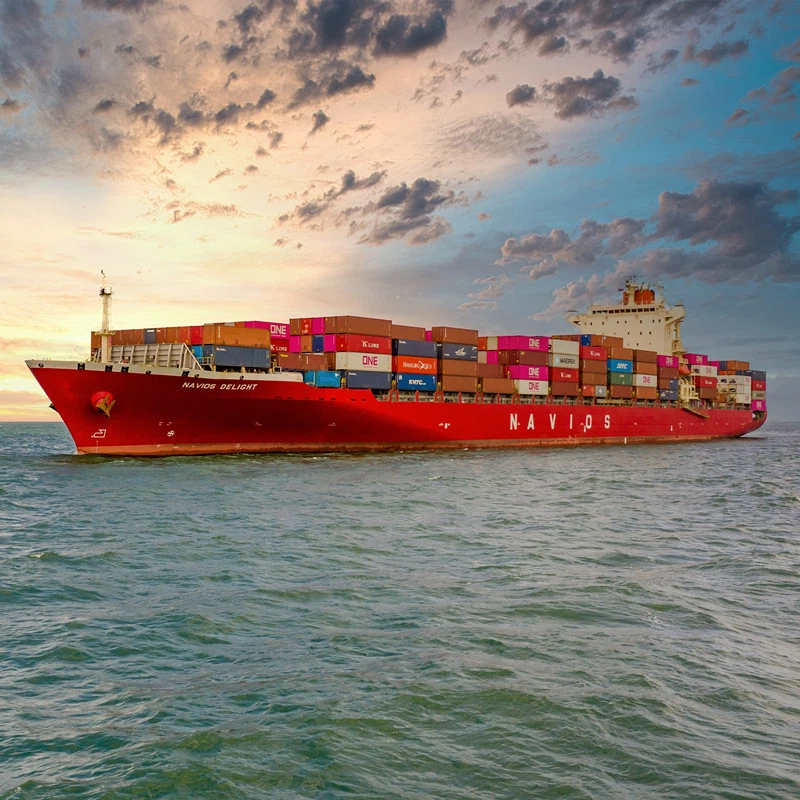

You also need to factor in the cost of packaging materials, insurance (which is a good idea for valuable handicrafts), and any fees for working with a customs broker.
Tips for a Smooth Shipping Experience
- Do your research: Before you start shipping, learn about all the European regulations regarding handicrafts. This will save you a lot of headaches down the line.
- Build relationships: Work with a reliable shipping company and a good customs broker. They can provide valuable advice and support throughout the shipping process.
- Keep records: Keep detailed records of all your shipments, including invoices, packing lists, and customs documents. This will be helpful for accounting purposes and in case there are any issues with a shipment.
Let's Connect and Discuss
If you're thinking about shipping handicrafts to Europe using DDP, I'm here to help. Whether you have questions about the process, need advice on packaging, or want to get a quote, I'd love to hear from you. Shipping handicrafts can be a rewarding business, but it's important to get it right. So, don't hesitate to reach out and start a conversation about your specific shipping needs.
References
- European Union Customs Code
- International Trade Regulations for Handicrafts