

In the dynamic landscape of international trade, ensuring compliance with the importing country's laws is crucial for any business engaged in cross - border shipping. As a DDP (Delivered Duty Paid) supplier from China to the UK, I am well - aware of the multiple legal aspects that must be carefully navigated to guarantee a smooth and legal shipping process.
Understanding the Basics of DDP and UK Laws
DDP is an Incoterm where the seller is responsible for delivering the goods to the buyer at an agreed destination in the importing country, including paying all duties, taxes, and other import - related charges. This means that as a DDP supplier from China to the UK, I take on a significant amount of responsibility in terms of legal compliance.
The UK has a comprehensive legal framework governing imports. This framework is in place to protect consumers, ensure fair competition, and safeguard national security. It encompasses various areas such as customs regulations, product safety standards, and environmental laws.
Customs Regulations
One of the primary areas of focus for compliance is customs regulations. The UK has strict rules regarding the classification of goods, valuation, and origin.
Classification of Goods
Goods must be accurately classified under the UK's tariff classification system. The Harmonized System (HS) codes are used to categorize products, and each code corresponds to a specific duty rate. Incorrect classification can lead to under - or over - payment of duties, which may result in penalties. To ensure accurate classification, I work closely with a team of customs experts who are well - versed in the UK's tariff schedule. They analyze the nature, composition, and intended use of each product to assign the correct HS code. For example, if I'm shipping electronic devices, I need to distinguish between different types of electronics, such as smartphones, tablets, and laptops, as each may have a different HS code and duty rate.
Valuation of Goods
The value of the goods declared for customs purposes is another critical factor. The UK customs authorities use the transaction value method as the primary basis for valuation. This means that the declared value of the goods should reflect the actual price paid or payable for the goods when sold for export to the UK. As a supplier, I maintain detailed records of all transactions, including invoices, packing lists, and shipping documents. These records serve as evidence of the value of the goods and help to prevent any disputes with the customs authorities. For instance, if there are any discounts, rebates, or additional costs associated with the purchase of the goods, these must be accurately accounted for in the valuation.
Origin of Goods
Proving the origin of the goods is essential for determining eligibility for preferential tariff treatment. The UK has trade agreements with various countries, and goods originating from these countries may be subject to lower or zero - duty rates. As a DDP supplier, I track the origin of all components used in the production of the goods. This may involve obtaining certificates of origin from my suppliers in China. For example, if I'm shipping a product that contains parts from different countries, I need to ensure that I can demonstrate the origin of each part accurately to claim any applicable preferential tariffs.
Product Safety Standards
The UK has strict product safety standards to protect consumers from potential harm. These standards cover a wide range of products, including electrical appliances, toys, and food products.
Electrical Appliances
For electrical appliances, products must comply with the UK's electrical safety regulations. This includes requirements such as proper insulation, grounding, and protection against electrical shock. Before shipping any electrical goods to the UK, I ensure that the products have been tested and certified by recognized testing laboratories. For example, they may need to bear the CE (Conformité Européene) marking, which indicates that the product meets the relevant European safety standards. In the UK, products must also comply with any additional UK - specific requirements. I work closely with my manufacturers in China to ensure that they are aware of these standards and that the products are manufactured to meet them.
Toys
Toys sold in the UK must meet strict safety requirements to protect children. These requirements cover aspects such as mechanical and physical safety, flammability, and the presence of harmful substances. I source toys from manufacturers who are committed to producing high - quality, safe products. The toys are tested for compliance with the UK's toy safety standards, such as the Toy Safety Regulations 2011. I also ensure that the products are labeled correctly, with clear instructions for use and age recommendations.
Food Products
Food products shipped to the UK must comply with food safety regulations, including requirements related to hygiene, labeling, and the use of additives. I work with food suppliers in China who follow strict quality control procedures. The food products are tested for contaminants, such as pesticides and heavy metals, and must meet the UK's maximum residue limits. In addition, the labels on the food products must provide accurate information about the ingredients, nutritional content, and storage instructions.
Environmental Laws
The UK has a growing focus on environmental protection, and there are laws in place to regulate the import of certain goods based on their environmental impact.
Packaging Materials
When shipping goods to the UK, I am mindful of the regulations regarding packaging materials. The UK encourages the use of recyclable and biodegradable packaging materials. I work with my suppliers in China to source packaging materials that meet these requirements. For example, instead of using excessive plastic packaging, I opt for cardboard or paper - based packaging whenever possible. I also ensure that the packaging materials are labeled correctly to indicate their recyclability.
Hazardous Goods
The import of hazardous goods is strictly regulated in the UK. If I need to ship any goods that are classified as hazardous, such as chemicals or batteries, I follow all the necessary procedures. This includes obtaining the appropriate permits, ensuring proper packaging and labeling of the goods, and providing detailed safety data sheets. I work with specialized shipping companies that have experience in handling hazardous goods to ensure that the transportation is carried out safely and in compliance with UK laws.
The Role of Technology in Ensuring Compliance
Technology plays a significant role in helping me ensure compliance with UK laws. I use advanced software systems to manage my shipping operations, including customs documentation, product tracking, and quality control.
For customs documentation, I use software that can generate accurate and complete customs declarations. This software is integrated with my inventory management system, so I can easily access information about the products, such as their classification, value, and origin. It also keeps me updated on any changes in the UK's customs regulations, ensuring that I always file the correct documentation.
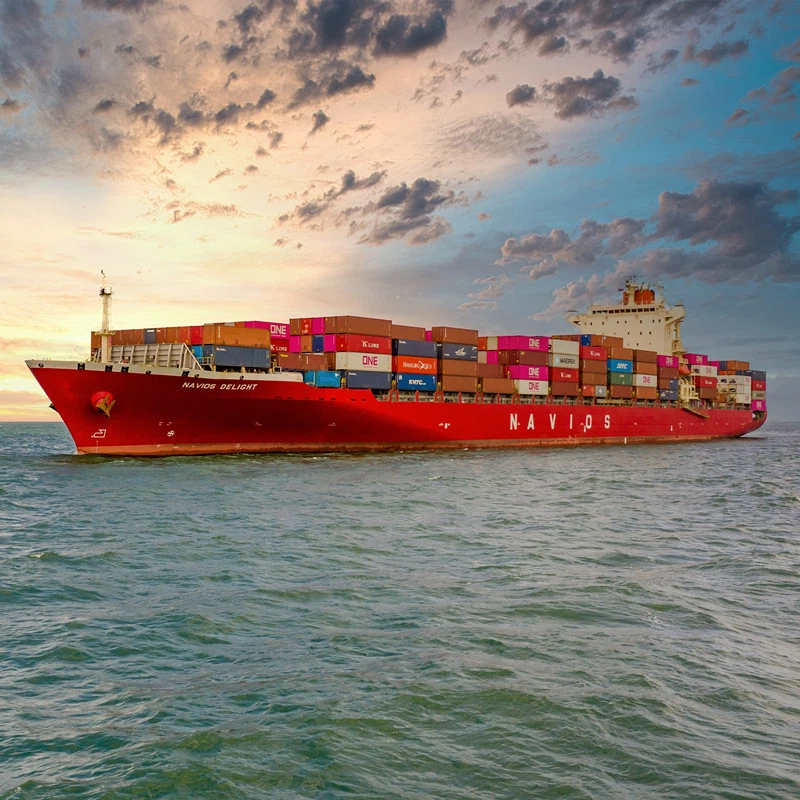
In terms of product tracking, I use GPS - enabled devices to monitor the movement of my shipments from China to the UK. This allows me to ensure that the goods are delivered on time and to track their condition throughout the journey. If there are any delays or issues, I can take immediate action to resolve them and keep my customers informed.

Continuous Learning and Adaptation
The legal landscape in the UK is constantly evolving, and as a DDP supplier, I need to stay up - to - date with these changes. I regularly attend industry seminars and training courses to learn about the latest regulations and best practices. I also subscribe to industry newsletters and follow relevant government websites to stay informed about any new laws or policy changes.
In addition, I maintain a good relationship with the UK customs authorities and other regulatory bodies. I seek their advice and guidance when needed, and I am proactive in addressing any compliance issues. By being open and transparent in my communication, I can build trust with these authorities and ensure a smooth shipping process.
Conclusion
As a DDP supplier from China to the UK, ensuring compliance with UK laws is a complex but essential task. By understanding the customs regulations, product safety standards, and environmental laws, and by using technology to manage my operations, I can minimize the risk of non - compliance and ensure a successful shipping process.
If you are a business looking for a reliable DDP supplier from China to the UK, I am here to help you navigate the complexities of international trade. I have the experience, expertise, and resources to ensure that your goods are delivered to the UK in compliance with all relevant laws. Whether you are interested in Shipping DDP to Europe, DDP From China to USA, or specifically DDP From China to UK, I can provide you with a comprehensive and compliant shipping solution. Contact me to start our procurement discussion and let's build a successful business relationship.
References
- UK Customs and Border Protection Regulations Handbook
- UK Product Safety Standards Database
- Environmental Protection Laws in the UK: A Comprehensive Guide