

Hey there! I'm a supplier in the DDP (Delivered Duty Paid) shipping business, and today I want to chat about how DDP shipping works for pharmaceutical products. It's a topic that's not only important but also quite complex, so let's dive right in.
What is DDP Shipping?
First off, let's clarify what DDP shipping means. When we talk about DDP, it's a shipping term where the seller takes on the responsibility for delivering the goods to the buyer's specified location. This includes all costs such as transportation, insurance, duties, and taxes. In simple terms, the buyer just has to wait for the products to arrive at their doorstep, and they don't have to worry about any additional fees or paperwork at the destination.
The Process of DDP Shipping for Pharmaceutical Products
1. Initial Consultation and Order Placement
When a pharmaceutical company approaches us for DDP shipping, the first step is a detailed consultation. We need to understand what kind of pharmaceutical products they're shipping, the quantity, the destination, and the delivery timeline. This information helps us plan the entire shipping process. For example, some pharmaceutical products might require special handling due to their sensitivity to temperature or light.
Once we've gathered all the necessary details, the client places an order. We then issue a quote that includes all the costs associated with the DDP shipping. This quote is transparent, so the client knows exactly what they're paying for.
2. Product Sourcing and Preparation
As a DDP shipping supplier, we work closely with the pharmaceutical company to ensure that the products are sourced and prepared correctly. This involves checking the quality of the products, verifying that they meet all the regulatory requirements of the destination country, and packaging them appropriately.
For instance, if we're shipping vaccines, they need to be stored and transported at a specific temperature range. We use specialized containers and monitoring systems to ensure that the temperature is maintained throughout the journey.
3. Documentation
One of the most crucial aspects of DDP shipping for pharmaceutical products is documentation. There are a lot of regulations and requirements that need to be met, especially when it comes to pharmaceuticals. We handle all the necessary paperwork, including the commercial invoice, packing list, certificate of origin, and any special permits or licenses required for the pharmaceutical products.
For example, some countries might require a special import license for certain types of medications. We make sure that all these documents are in order before the products are shipped. This helps to avoid any delays or issues at customs.
4. Shipping and Transportation
Once the products are ready and the documentation is complete, we arrange for the shipping and transportation. We have a network of reliable carriers and logistics partners that we work with. Depending on the destination and the urgency of the delivery, we might choose to use air freight, sea freight, or a combination of both.
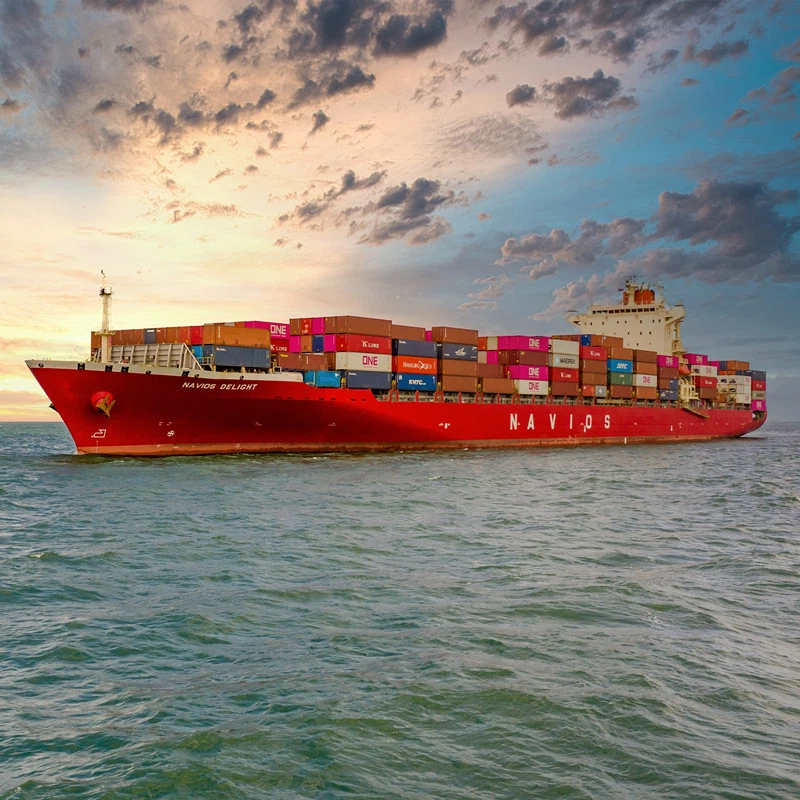

For long - distance shipments to countries like the United States or the United Kingdom, air freight is often the preferred option for pharmaceutical products because it's faster and allows for better temperature control. If you're interested in DDP From China to USA or DDP From China to UK, we can provide you with a seamless shipping experience.
5. Customs Clearance
Customs clearance is a critical step in the DDP shipping process. As the DDP supplier, we take on the responsibility of clearing the products through customs at the destination country. We work closely with customs brokers to ensure that all the necessary duties and taxes are paid and that the products comply with all the local regulations.
This can be a complex process, especially for pharmaceutical products, as there are strict regulations regarding the import of medications. However, our experience and knowledge of the customs procedures in different countries help us to navigate this process smoothly.
6. Final Delivery
After the products have cleared customs, we arrange for the final delivery to the buyer's specified location. We track the shipment until it reaches its destination and provide regular updates to the client. Once the products are delivered, we consider the job done.
Advantages of DDP Shipping for Pharmaceutical Products
1. Convenience for the Buyer
The biggest advantage of DDP shipping for pharmaceutical companies is the convenience it offers. The buyer doesn't have to worry about any of the shipping, customs, or duty - related issues. They can focus on their core business while we take care of the logistics.
2. Risk Mitigation
As the DDP supplier, we assume most of the risks associated with the shipping process. This includes the risk of damage, loss, or delays during transportation. If something goes wrong, we're responsible for resolving the issue, which gives the buyer peace of mind.
3. Regulatory Compliance
We have in - depth knowledge of the regulatory requirements for pharmaceutical products in different countries. This means that we can ensure that the products are shipped in compliance with all the local laws and regulations, reducing the risk of fines or penalties for the buyer.
Challenges in DDP Shipping for Pharmaceutical Products
1. Regulatory Changes
The pharmaceutical industry is highly regulated, and the regulations can change frequently. This means that we need to stay up - to - date with all the latest regulatory requirements in different countries. For example, a new regulation might be introduced that requires additional testing or documentation for certain types of medications.
2. Temperature Control
As mentioned earlier, many pharmaceutical products are sensitive to temperature. Maintaining the correct temperature throughout the shipping process can be challenging, especially during long - distance shipments or in extreme weather conditions. We need to invest in advanced temperature - controlled equipment and monitoring systems to overcome this challenge.
3. Customs Delays
Customs procedures can be unpredictable, and there's always a risk of delays at the destination country. This can be due to various reasons, such as increased scrutiny of pharmaceutical products, incomplete documentation, or backlogs at the customs office.
How to Choose the Right DDP Shipping Supplier for Pharmaceutical Products
1. Experience
Look for a DDP shipping supplier that has extensive experience in shipping pharmaceutical products. They should have a proven track record of successfully delivering medications to different countries.
2. Regulatory Knowledge
The supplier should have in - depth knowledge of the regulatory requirements for pharmaceutical products in different countries. This will ensure that your products are shipped in compliance with all the local laws and regulations.
3. Temperature - Control Capabilities
Since many pharmaceutical products require temperature - controlled shipping, make sure that the supplier has the necessary equipment and expertise to maintain the correct temperature throughout the journey.
4. Customer Service
Good customer service is essential. The supplier should be responsive to your inquiries and provide regular updates on the status of your shipment.
Conclusion
DDP shipping for pharmaceutical products is a complex but highly beneficial process. It offers convenience, risk mitigation, and regulatory compliance for pharmaceutical companies. As a DDP shipping supplier, we play a crucial role in ensuring that the products are shipped safely and efficiently to their destination.
If you're in the pharmaceutical industry and looking for a reliable DDP shipping solution, whether it's DDP From China to USA, DDP From China to UK, or Shipping DDP to Europe, we'd love to have a chat with you. Contact us to discuss your shipping needs and let's work together to get your products to where they need to be.
References
- International Chamber of Commerce (ICC). Incoterms 2020.
- World Health Organization (WHO). Guidelines for the International Movement of Pharmaceutical Products.