

Hey there! I'm a supplier specializing in shipping goods from China to the Netherlands, and today I wanna chat about the regulations for shipping leather goods specifically. It's crucial to understand these rules to ensure a smooth and legal shipping process.
1. Customs Regulations in the Netherlands
First off, the Dutch customs are pretty strict when it comes to imported leather goods. They wanna make sure that everything coming in meets their quality and safety standards. For leather products, one of the key things they check is the origin of the leather.
Leather goods need to have proper documentation stating where the leather was sourced from. This is to prevent the illegal trade of leather from endangered species. In most cases, if the leather is from common livestock like cows, sheep, or goats, you're usually in the clear. But you still gotta have the paperwork to prove it.
Another important aspect is the chemical composition of the leather. The Netherlands follows the European Union's regulations regarding the use of chemicals in leather production. For example, there are limits on the amount of certain heavy metals like lead and chromium that can be present in the leather. If your leather goods exceed these limits, they might get held up at customs or even rejected.
2. Product Labeling Requirements
Proper labeling is a must for shipping leather goods to the Netherlands. Each product should have a label indicating the type of leather used (e.g., full - grain leather, top - grain leather, or bonded leather). This helps consumers make informed decisions and also allows customs officials to verify the product's quality.
The label should also include information about the country of origin of the leather and the country where the product was manufactured. If the leather was sourced from one country and the final product was made in another, both details need to be clearly stated.
Additionally, any care instructions for the leather goods should be provided on the label. This is important because improper care can damage the leather, and consumers need to know how to maintain their products properly.
3. Import Duties and Taxes
When shipping leather goods from China to the Netherlands, you'll need to deal with import duties and taxes. The amount you pay depends on several factors, such as the value of the goods, the type of leather, and the specific product category.

The Netherlands uses the Harmonized System (HS) codes to classify goods for customs purposes. You need to accurately determine the HS code for your leather goods to calculate the correct duties. Generally, luxury leather goods like high - end handbags or designer leather jackets may have higher duty rates compared to more basic leather items like wallets or belts.
VAT (Value - Added Tax) is also applicable on imported goods. In the Netherlands, the standard VAT rate is currently 21%. This tax is calculated based on the total value of the goods, including the cost of the product, shipping fees, and import duties.
4. Shipping Methods and Logistics
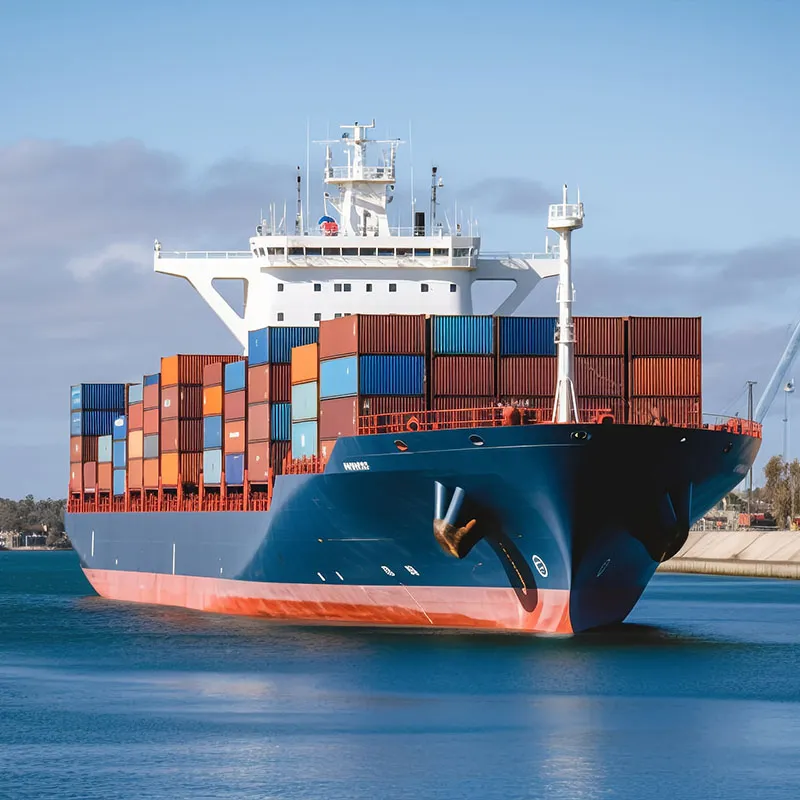
There are a few different shipping methods you can choose from when sending leather goods to the Netherlands. The most common ones are sea freight and air freight.
Sea freight is usually more cost - effective for large shipments of leather goods. However, it takes longer, typically around 20 - 35 days depending on the port of departure and arrival. You can use a Shipping Container To Croatia service as a reference for container shipping options. It gives you an idea of the container sizes and shipping schedules available.
Air freight, on the other hand, is much faster, usually taking 3 - 7 days. But it's more expensive. If you're shipping high - value or time - sensitive leather goods, air freight might be the better option. You can also look into Shipping Container To France to get an understanding of the air and sea shipping options available for European destinations.
5. Packaging and Quality Control
Good packaging is essential for protecting your leather goods during transit. The packaging should be sturdy enough to withstand the rigors of shipping, whether it's by sea or air. Use high - quality boxes or cases and add cushioning materials like bubble wrap or foam to prevent damage.
Before shipping, you should also conduct thorough quality control checks on your leather goods. Look for any signs of damage, such as scratches, cuts, or discoloration. Make sure the stitching is strong and that all the hardware (e.g., zippers, buckles) is in good working condition. If there are any defective products, it's better to fix or replace them before sending them to the Netherlands.
6. Documentation for Shipping
You'll need to prepare several documents for shipping leather goods from China to the Netherlands. The most important one is the commercial invoice. This document should include details such as the description of the goods, the quantity, the unit price, and the total value of the shipment.
A packing list is also required. It lists all the items in the shipment, including their weights and dimensions. This helps the shipping company and customs officials to handle the goods properly.
If you're using a Shipping Container From China To Ireland service or any other shipping service, they may also require a bill of lading (for sea freight) or an air waybill (for air freight). These documents serve as a contract between the shipper and the carrier and provide details about the shipment's origin, destination, and contents.
7. Working with a Freight Forwarder
Working with a reliable freight forwarder can make the shipping process a lot easier. A good freight forwarder has experience dealing with the regulations and requirements for shipping to the Netherlands. They can help you with everything from preparing the necessary documents to choosing the best shipping method.
They can also assist you in calculating the import duties and taxes accurately and ensure that your goods are properly packaged and labeled. Plus, they have established relationships with shipping companies and customs brokers, which can speed up the shipping process and reduce the chances of delays.
8. Environmental and Sustainability Regulations
In recent years, there has been an increasing focus on environmental and sustainability regulations in the Netherlands. When shipping leather goods, it's important to consider the environmental impact of your production process.
The leather industry can have a significant environmental footprint, especially in terms of water pollution and the use of chemicals. The Netherlands encourages the use of sustainable leather production methods, such as tanning processes that use fewer chemicals and more natural materials.
If your leather goods are produced using sustainable methods, you can highlight this on your product labels. This not only helps you meet the growing consumer demand for eco - friendly products but also shows that you're compliant with the Netherlands' environmental regulations.
Let's Connect!
If you're interested in shipping leather goods from China to the Netherlands and need a reliable supplier, I'm here to help. I've got the experience and knowledge to navigate all these regulations and ensure that your goods reach their destination smoothly. Whether you're a small business owner or a large retailer, I can provide you with the best shipping solutions tailored to your needs. So, don't hesitate to reach out and let's start this shipping journey together!
References
- Dutch Customs official website
- European Union regulations on leather products
- Publications on international trade and shipping regulations